Beef, Chorizo and Ale Stew

The Irish Independent recently ran an article about cheap casseroles coming back into fashion in these penny-pinching times. Cuts of meat that people turned their backs on during the Celtic Tiger boom are now reappearing on shopping lists and in casserole pots — cuts like lamb shanks, oxtails and beef shins. I discovered this recipe while watching Channel 4’s show Food: What Goes in Your Basket, where UK food critic Jay Rayner made it with shin of beef. I’ve modified it to use regular stewing beef, which is also much less expensive than prime cuts.

But just because a dish is economical doesn’t mean it can’t be delicious too, like this stew. In fact, I liked it so much that I made it twice in two weeks — once after watching the Food program and again because it was too perfect to pass up as an entry to November’s Irish foodies cookalong, which had a winter warmers theme. It might also have something to do with the fact that after coveting one for ages, I bought a Le Creuset casserole pot as a birthday present for myself back in September and loved the fact that I could actually cook it in the oven. But no matter which way you cook this — in the oven, on the stovetop or in a slow cooker — you’ll love it.

Beef, Chorizo and Ale Stew
adapted from Jay Rayner’s shin of beef recipe from Food: What Goes in Your Basket

Serves 8

If you don’t have a casserole pot (a.k.a. Dutch oven), you can simmer the stew on the stovetop instead. Alternatively, you could make this in a slow cooker (see below). I used O’Hara’s Irish Red Ale for this stew.

2 lb (1 kg) stewing beef, cut into cubes
salt and freshly ground black pepper
2 tablespoons flour
olive oil
1 x 7 oz to 11 oz (200 g to 300 g) chorizo ring, cut into bite-sized pieces
3 red onions, roughly chopped
3 carrots, roughly chopped
2 celery stalks, roughly chopped
3 cloves garlic, chopped
1 bottle of ale
2 cups (1 pint) beef or chicken stock
1 bouquet garni (bay leaves, thyme sprigs and parsley, tied with kitchen string), or 1 teaspoon mixed dried herbs
1 tablespoon brown sugar
chopped fresh parsley, to garnish (optional)
mashed potatoes or crusty bread, to serve

Preheat the oven to 270°F (130°C).

Season the beef with salt and pepper and toss in the flour until the beef pieces are evenly coated. Heat some olive oil in a casserole pot (Dutch oven) and brown the beef in batches, making sure not to crowd the pot, or the meat won’t brown properly. Remove from the pot and set aside. Add in the chorizo and cook for a few minutes, until it has started to release its oils. Add in the onions, carrots and celery and cook for 10 minutes, until the vegetables have softened. Add in the garlic and cook for 1 minute more.

Deglaze the pot with a small glass of the ale and simmer until it has reduced and thickened. Add the rest of the bottle and bring back to a simmer. Return the beef to the pot, and if it’s not fully covered, top up with the stock. (Add the whole pint of stock if you like a thinner stew, add less if you like a more concentrated broth.) Add the bouquet garni or dried herbs and stir in the sugar.

Cover and put in the oven for 3 to 4 hours (or simmer on the stovetop on a low heat), stirring a few times. The meat is ready when it shreds apart. As an optional extra if you want to intensify the flavor, you can strain off all the liquid into another pot and reduce the liquor by half, then return the liquid to the casserole pot. Serve with lots of chopped fresh parsley and mashed potatoes or crusty bread.

Slow cooker variation: Follow the recipe above until you’ve deglazed the pot, then transfer the stew to your slow cooker. Add the beef, stock, herbs and sugar to the slow cooker — though you should use less liquid because it won’t reduce as much as it does on the stovetop or in the oven. Cover and cook on a low heat for 8 hours, or until the meat shreds apart with a fork.
Chicken with Rice and Basil, Buttered Spinach and Little Glazed Carrots

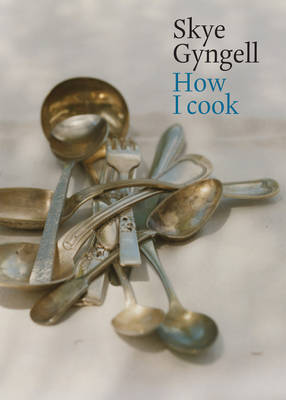
A few years ago, some friends gave me an Amazon gift certificate and I promptly bought the first cookbook on my wish list, A Year in My Kitchen by Skye Gyngell, which went on to be named Cookery Book of the Year by the Guild of Food Writers and the Best Food Book at Le Cordon Bleu World Food Media Awards in 2007. So when Quadrille Publishing offered me the opportunity to review her newest book, How I Cook, I jumped at the chance.

The focus of How I Cook is on home cooking, albeit with “a little finesse,” as Skye says, which is reflected in the book’s content. There are no 30-minute meals here, bur rather a sophisticated mix of everyday dishes and food for special occasions that is still achievable for home cooks. This book particularly appeals to me because of its format, which presents recipes as part of a complete menu (much like what we try to do on this blog). The book is divided into chapters — Breakfast, Sunday Lunch, Alfresco Eating, Afternoon Tea, Simple Weekday Dinner, Late Night Supper, Special Occasion and Time to Spare — and within those chapters are a series of ready-made menus. This makes it an ideal book for entertaining or for leisurely weekend cooking when you have more time to potter in the kitchen and want to make something a little more special for dinner than the usual hastily thrown together midweek pasta dish.

Skye is the head chef at Petersham Nurseries Café in Richmond, Surrey, and with fresh produce on her kitchen’s doorstep, it’s no surprise that her menus are strongly influenced by what’s in season. Skye brings together ingredients that are growing at the same time, since they often naturally complement each other. You can see this at work in combinations like the wintry Slow-roasted Pork menu, which is made up of slow-cooked belly of pork, a gratin of white beans, sauteed leeks and a fig tart. I’ve chosen the Peasant-style Supper menu from the Simple Weekday Dinner chapter to feature here, but other recipes I’ve already bookmarked to try this winter include slow-cooked shoulder of lamb with sweet paprika and chickpeas, oeufs en cocotte with spinach and Parma ham, spiced pears, and rice pudding with poached prunes.

In the introduction, Skye says, “The greatest pleasure I derive from food is cooking for loved ones … I cook for the same reason that you do — to bring joy to others — it pleases me to see people smile and laugh and feel content around a table, and I’m sure it is the same for you.” (I know it’s true for Kelly and me.) If that sentiment strikes a chord with you, then it’s worth picking up this book.

Chicken with Rice and Basil
adapted from How I Cook by Skye Gyngell

Serves 6

Skye points out that in a classic risotto, the warm stock is gradually added to the rice. Here, she has added only wine, cold and all in one go. This way, the rice takes on the flavor of the wine quite profoundly — which means it might not be suitable for young children; this might best be saved for a grown-up dinner. Skye suggests serving cheese or seasonal fruit as dessert to round off this menu.

1 large whole chicken (3 lb 5 oz/1.5 kg), preferably free-range and organic, jointed into 6 pieces
sea salt and freshly ground black pepper
2 tablespoons olive oil
1 red onion, peeled and finely sliced
2 garlic cloves, crushed
1 dried red chili (or dried chili flakes, to taste)
4 oz (100 g) risotto rice (Arborio or Carnaroli)
3 cups (750 ml) dry white wine
1 large bunch of basil
extra virgin olive oil, to drizzle

Season the chicken joints well all over with salt and pepper. Place a large flameproof casserole over a medium heat and add the olive oil. Once the oil is sizzling, brown the chicken pieces in batches, skin side down, without turning, until they are golden brown; this will take about 5 minutes. Set aside.

Pour off any excess fat, leaving a little in the casserole. Lower the heat, add the onion and sweat gently for about 10 minutes, until soft and translucent. Now add the garlic and crumble in the dried chili. Stir once or twice, then tip in the rice and toss it through.

Increase the heat slightly, pour in the wine and return the chicken to the pot. Put the lid on, turn the heat to low and cook for 20 minutes. By this time the chicken should be cooked through and the rice will have a gentle bite.

Tear the basil with your fingers and scatter over the chicken. Stir through, then taste and adjust the seasoning if necessary; it will almost certainly need more salt.

Serve in warm soup plates, drizzled with extra virgin olive oil, and with the buttered spinach and glazed carrots on the side.

***

Buttered Spinach
adapted from How I Cook by Skye Gyngell

Serves 6

14 oz (400 g) young spinach
3 tablespoons (45 g) unsalted butter
sea salt and freshly ground black pepper
1/2 teaspoon ground nutmeg, or to taste

Wash the spinach in several changes of cold water to remove all traces of dirt. Put the spinach into a medium saucepan with just the water clinging to the leaves after washing. Allow to wilt over a low heat, stirring from time to time. Once all the spinach has wilted, drain in a colander, pressing firmly with the back of a wooden spoon to remove excess water. Melt the butter in the pan, add the spinach and toss until it is really well coated. Season with salt, pepper and nutmeg to taste, then serve.

***

Little Glazed Carrots
adapted from How I Cook by Skye Gyngell

Serves 6

If you can’t find small whole carrots, you could make these sauteed carrots instead, which uses much the same method.

1 lb 2 oz (500 g) small carrots, peeled and trimmed
1 tablespoon (30 g) butter
2 teaspoons honey
1 small bunch of thyme
sea salt
handful of flat-leaf parsley, leaves only, finely chopped

Scrub or peel the carrots and trim them, leaving on a little of the green leafy tops. Place in a saucepan with the butter and honey. Pour on enough cold water to just cover the carrots and add the thyme and a good pinch of salt. Bring just to the boil, then turn down the heat to a summer and cook until just tender; this will take about 10 minutes. Discard the thyme. Now turn up the heat and boil rapidly until all the water has evaporated and the carrots are coated in a lovely shiny glaze. Serve warm, with a generous sprinkling of chopped parsley.

Bramley Apple, Bacon and Blue Cheese Sandwich with Sweet Potato Wedges

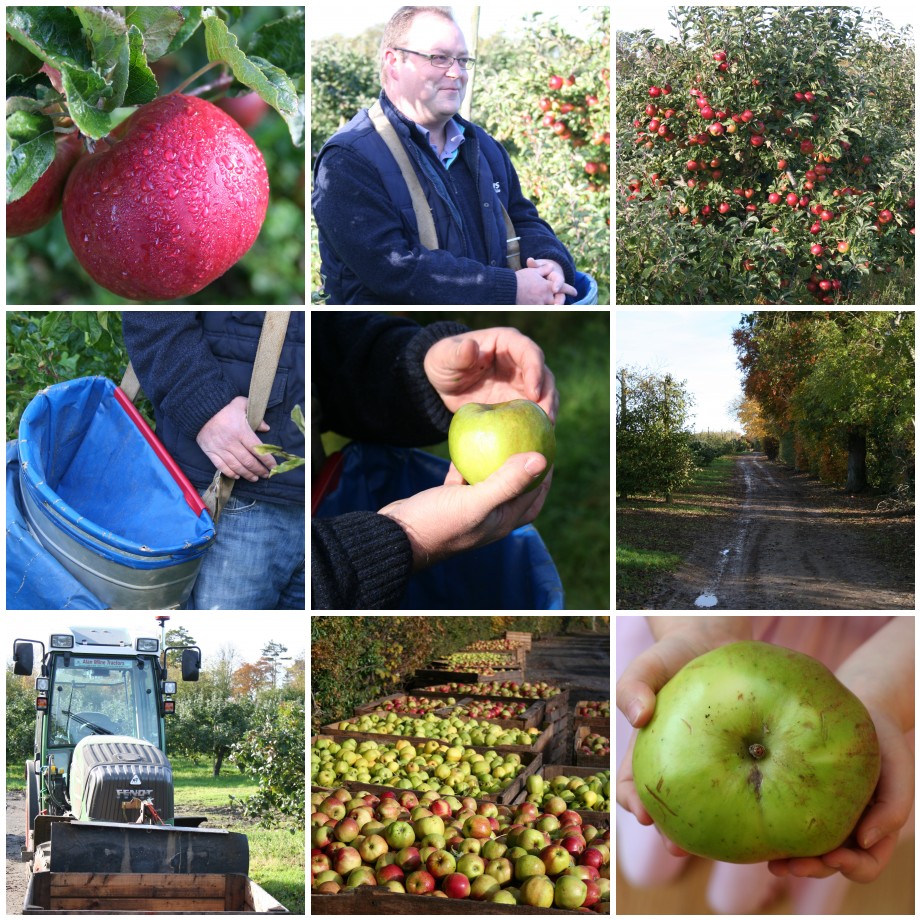
Is there a better place to be on a sunny October day than an apple orchard? I couldn’t think of one when I was at Stagrennan Farm 10 days ago as part of an orchard tour organized by Bord Bia (the Irish Food Board) to show off the often unsung Bramley apple.

When I arrived, I was promptly offered the obligatory cup of tea along with a slice of Fiona McNeece’s homemade apple cake and apple, blueberry and sloe crumble. Her brother Olan also works at the orchard, which their father bought in 1962 in Drogheda, County Louth. Fiona and Olan have apples in their blood — they are the fourth generation of their family to grow Bramleys (their great-grandfather planted a Bramley orchard as part of his small farm in County Armagh in the late 1890s, and their grandfather went on to buy his own farm in 1933, also in Armagh). Approximately one-third of the world’s supply of Bramley apples are grown in Ireland, where they have been grown for 200 years, and the McNeeces are proudly part of that tradition.

Like many people you talk to involved in growing and producing Irish food, Olan was enthusiastic about talking about apples and taking us around his farm, which even extended to showing off their new vineyard tractor, which is narrower than normal tractors so that it can fit between the rows of a vineyard or orchard. Clad in wellies and waterproof hiking boots because of the previous day’s heavy rain, we piled into the farm’s jeep and followed Olan in the tractor as he wound down a maze of lanes. Once we were standing amongst the trees, he explained that the orchard is organic in all but name — they have a weather station in the orchard to predict disease in their own micro-climate and they follow integrated pest management to allow natural predators to do away with harmful pests — so we happily ate apples straight from the tree.

But we weren’t eating Bramleys — while those are the main crop at Stagrennan Farm, they also plant a variety of other apples to aid pollination. Apples are often divided into eaters and cookers, and Bramleys are the latter. In fact, they’re the only apple available for the sole purpose of cooking. When cooked, Bramleys break down into a fluffy, frothy puree, which I found out for myself when I made a delicious apple compote using Bramleys after watching Hugh Fearnley-Whittingstall make it that way a few weeks ago on River Cottage Everyday. Just like Hugh said, the resulting compote was silky smooth, and was so good that I’ll never make applesauce with any other apple again.

Back at the office, fellow food bloggers Aisling, Deirdre, Joanna, Sarah and I were treated to a cooking demonstration using Bramleys by Tara Walker, a Cordon Bleu-trained chef who is an instructor at the Fairyhouse Cookery School, and one of the recipes she made for us was this sandwich. We left the orchard laden down with a huge box of Bramleys and eating apples, along with samples of some products Olan and Fiona are hoping to bring to market soon: apple juice, apple and Calvados sauce, apple and white port sauce, apple and ginger jelly, roasted apple marinade, spiced apple chutney and, my favorite, apple and quince jelly. When I got home with my bounty, my kids ate two apples each and helped me peel the 6 pounds worth of Bramleys to turn them into enough compote to last us for a week.

Thank you again to Olan and Fiona McNeece for so generously hosting us and to Bord Bia for organizing the tour. Olan told us we’d have to come back to the orchard again in the spring, when the trees are in bloom, and after seeing how beautiful it was with the blazing autumn colors, I think we might just take him up on that.

Bramley Apple, Bacon and Blue Cheese Sandwich
adapted from Bord Bia

This moreish sandwich is substantial enough for dinner now that we’re in the wintry soup-and-sandwich season. It’s one of the Bramley apple recipes from the Bord Bia website, which also features a one-dish pork and Bramley apple bake, ginger baked Bramleys and a Bramley apple and whiskey tart. If you can’t get Bramley apples, use another cooking apple instead, such as Golden Delicious, Granny Smith, McIntosh, Pink Lady or Royal Gala.

Serves 4

2 teaspoons vegetable oil
12 rashers back bacon (or 12 slices pancetta or American bacon)
2 Bramley apples, quartered, cored and sliced
8 thick slices of good-quality white bread (sourdough is best), lightly toasted
butter, for spreading
2 oz (60 g) soft blue cheese, such as Cashel Blue, crumbled

Heat the oil in a non-stick frying pan, add the bacon and cook over a medium heat for 6 to 7 minutes, turning once, until golden and crisp. (If using pancetta or American bacon, fry the bacon in a dry pan instead until crispy.) Transfer to a plate and keep warm. Add the Bramley apple slices to the pan and saute over a medium heat for 3 to 5 minutes, or until tender and golden. Remove from the heat. Butter the bread and top 4 slices with the bacon and apples. Crumble over the cheese and top with the remaining slices of bread. Cut in half and serve.

***

Sweet Potato Wedges
adapted from Every Day by Bill Granger

Serves 4

These sweet potato wedges are a good match for this sandwich, but Clare’s oven-baked parsnip chips would also be good, as would Michael Ruhlman’s sweet potato chips.

2 lb (900 g) sweet potatoes, skin left on and cut into wedges
2 tablespoons olive oil
2 teaspoons smoked paprika
1/4 teaspoon cayenne pepper (optional)
salt and freshly ground black pepper

Preheat the oven to 450°F (230°C).

Toss the sweet potato wedges with the olive oil, paprika, cayenne and salt and pepper. Scatter them in a single layer on a large baking sheet and bake for 30 minutes, stirring occasionally, until the wedges are golden brown.

Looking for more apple recipes? Try some of these from our recipe archive:

Couscous Paella with Shrimp

Don’t you love finding a recipe that’s tasty, easy, quick, and healthy? Here’s one I just discovered. This recipe is also an excellent choice for anyone looking to serve the wild Gulf of Mexico shrimp that are finally back in stores (ahem, thank you BP for the forced hiatus). One word of caution — make sure you have enough dinner guests at the table for this dish. Couscous doesn’t reheat particularly well and you won’t want a bite of it to go to waste.

Couscous Paella with Shrimp
adapted from Family Circle as posted on Food Network

Serves 6

1 tablespoon olive oil
1 medium onion, chopped
3 cloves garlic, chopped
2 bell peppers (green, yellow, and/or red), cut into 1/2‑inch dice
1 teaspoon salt
1/2 teaspoon black pepper
1/2 teaspoon dried thyme
1/2 teaspoon red pepper flakes
1/2 teaspoon ground turmeric
1 can (14 oz/400 ml) chicken broth
1 cup (240 ml) water
10 oz (280 g) frozen peas, thawed
1 1/2 lb (680 g) large shrimp, shelled and cleaned
10 oz (280 g) couscous (plain or whole wheat)

Heat the oil in a large heavy-bottomed pot that has a lid. Add the onion, garlic and peppers and cook until the peppers are tender, about 8 minutes. Add the salt, black pepper, thyme, pepper flakes and turmeric and cook for 1 minute. Add the broth, water, peas and shrimp. Simmer, covered, for 2 minutes.

Remove the pan from the heat. Stir in the couscous and cover. Let stand for 5 minutes, then remove the cover, fluff the couscous with a fork, and serve immediately.

Tuscan-style White Beans with Sausages and Peppers

My kids are crazy about beans. They’d eat them for breakfast, lunch and dinner, which is fine by me. You can’t cook many things that are healthier, easier or quicker than a can of beans. While canned beans are great, cooking dried beans is much cheaper and tastes better, too. And then there’s the BPA issue to think about. So I’m trying to use dried beans instead of canned and, in the process, finding some great recipes. This white bean recipe may be my favorite so far. Don’t be afraid by the amount of sage, it’s actually quite subtle tasting when cooked low and slow. If you have leftovers, try pureeing them with some olive oil and Parmesan cheese to make a spread perfect for crackers. I combined this batch with sausages and peppers as per Mark Bittman’s suggestion. The last-minute side of plain quinoa was a surprisingly perfect match with the beans.

A quick comment about beans, generally. I usually cook my beans in a slow cooker but the stove top works just as well. Don’t be afraid to add salt to the beans during cooking. I add a good teaspoon per pound (450 g) of beans after the beans are just tender, about halfway through cooking. Contrary to popular belief, salt doesn’t prevent the bean from cooking properly and results in a much better-tasting bean. And if you’re making a pot of beans, you may as well make a double batch. Once cooked, beans will keep in the fridge for several days or in the freezer several months, ready for pasta with chickpeas, eight-layer veggie burritos, or hummus at the drop of a hat.

Tuscan-style White Beans
adapted from How To Cook Everything: Simple Recipes for Great Food by Mark Bittman

Makes 8 servings

1 lb (450 g) dried white beans (cannellini, navy, Great Northern, etc.), washed and picked over
30 fresh sage leaves or 1 heaping tablespoon dried sage
salt and freshly ground black pepper
2 teaspoons minced or grated garlic
3 tablespoons extra virgin olive oil

Place the beans in a pot with water to cover by about 1 inch. Turn the heat to high and bring to a boil. Add the sage. Reduce the heat, cover loosely and simmer, stirring occasionally, until the beans begin to soften. Add about 1 teaspoon of salt and some pepper. Continue to cook until the beans are very tender, adding additional water if the beans dry out. Depending on the size and freshness of the bean, this will usually take 1 to 2 hours. Drain the cooking liquid if necessary, then gently stir in the garlic and olive oil. Season to taste with salt and pepper and serve hot, warm, or even cold.

***

Sausages with Peppers

Serves 6

1 tablespoon olive oil
6 hot and/or mild Italian sausages
2 bell peppers (one green and one red, yellow, or orange), sliced into thin strips

In a large skillet, heat the olive oil over a medium heat. Add the sausages and cook for 10 minutes, turning the sausages halfway through the cooking time. Add the pepper strips and cook until the peppers are soft and the sausages are fully cooked, stirring frequently, about 10 more minutes. If the sausages take on too much color early in the cooking process, lower the heat or cover the skillet with a lid for a few minutes.

Pappardelle with Butternut Squash, Blue Cheese and Pine Nuts

The secret foodie project I’ve been working on for the past two months with fellow blogger Caroline from Bibliocook is out! When I’ve been writing these past few weeks that I’ve been slaving away with work and was practically too busy to cook, that was only part of the story — Caroline and I were also madly working behind the scenes to launch the new Irish Food Bloggers Association at the Food Camp that kicked off the Savour Kilkenny Food Festival last week (if you’d like to read more about Ireland’s first-ever Food Camp, visit some of these blogs for their recaps; they were obviously taking better notes than me!). If you’re an Irish or Irish-based blogger writing about anything to do with food, please join us! Or just check out the site to explore what we hope will become the definitive list of all the food blogs in Ireland.

This will be my last post from Nigella’s new book for awhile, I promise. The one downside to launching the IFBA on October 22 was that I only found out late that night after getting back from Kilkenny that Nigella Lawson was doing a book signing in Dublin at noon the next day, and I was just too tired and too busy to go and have her sign my already well-thumbed copy of Kitchen. Looks like I’ll have to wait until she writes her next book and try to catch her on that tour.

Pappardelle with Butternut Squash, Blue Cheese and Pine Nuts
adapted from Kitchen by Nigella Lawson

Serves 4

This is a first cousin to this risotto with roasted butternut squash, bacon and blue cheese (I wouldn’t be averse to adding some bacon to this pasta dish). Nigella notes that the sauce can be made 1 day ahead — simmer until the squash is tender, then transfer to a nonmetallic bowl to cool. Cover and refrigerate, then reheat gently in a saucepan and proceed as directed. The sauce can also be frozen in an airtight container for up to 3 months — just defrost overnight in the fridge and reheat gently.

1 large onion, finely chopped
2 tablespoons olive oil
3/4 teaspoon smoked paprika
1 large butternut squash, peeled, deseeded and cut into 1‑inch cubes
1 tablespoon unsalted butter
3 tablespoons Marsala
1/2 cup (120 ml) water
salt and freshly ground black pepper
6 fresh sage leaves, finely chopped (or 1/2 teaspoon dried sage)
18 oz (500 g) pappardelle or other robust pasta
1 cup (100 g) pine nuts
5 oz (125 g) soft blue cheese, crumbled

Fry the onion in the olive oil over a medium heat in a large, heavy-based pan that can accommodate all the pasta later. After about 10 minutes, add the paprika. Add the cubed butternut squash, then add the butter, stirring everything together well in the pan. Add the Marsala and water. Once the mixture starts to simmer, put the lid on, turn down the heat and simmer for about 20 minutes, or until the squash is tender but still holds its shape. Season to taste (keeping in mind that the cheese will be salty too), then sprinkle the sage into the squash mixture, reserving some to garnish.

Meanwhile, cook the pasta in a large pot of boiling, salted water according to the packet instructions. Toast the pine nuts in a separate hot, dry pan, tip them into a bowl and set aside.

Before you drain the pasta, reserve a mugful of the cooking water. Add the drained pasta to the squash and slowly stir to combine. Add some of the pasta cooking water to help the sauce emulsify, then add the blue cheese and half the pine nuts. Gently combine, then sprinkle the remaining pine nuts and sage on top and serve.

Mustard Crusted Tofu with Sweet Potatoes and Kale

Earlier this month our family went vegetarian for a week. My husband and I have been wanting to try on vegetarianism for awhile and when our friends mentioned their interest, we made a pact to go meat-free together. To sweeten the deal, we agreed to have each other over for dinner during the week. As you can probably figure out by my posts, we tend to eat (and enjoy) meat a few times per week. But honestly, except for a momentary craving for a turkey sandwich, I didn’t miss meat at all. Eliminating meat from our menu gave me the chance to make some of my favorite vegetarian dishes, vegetarian chili on quinoa and fettuccine alfredo, for example, and was good motivation to find some new meatless menus. I tried out this tofu recipe because it sounded different and, more importantly, quick. I never thought to combine mustard and tofu but it somehow works. The sweet potatoes and kale provide an earthy, sweet note to balance the tangy tofu.

Mustard Crusted Tofu with Sweet Potatoes and Kale
adapted from Bon Appetit, September 2007

Serves 3

1 x 14-oz (400‑g) package firm tofu
1/4 cup (60 ml) whole grain Dijon mustard
4 tablespoons vegetable oil, divided
1/2 medium onion, sliced
1 tablespoon minced peeled fresh ginger
1 bunch kale, stem cut from each leaf, leaves thinly sliced crosswise
1 red-skinned sweet potato (yam), peeled, halved lengthwise, thinly sliced crosswise
2 tablespoons fresh lime juice
soy sauce or tamari, to taste
cooked rice, to serve

Cut the tofu in half lengthwise and place the pieces, side by side, on a clean dishtowel or several pieces of folded paper towels. Fold dish towel (or paper towels) over the tofu. Place the covered tofu in a dish, cover, and let it sit overnight in the fridge. The towels should draw out a considerable amount of moisture from the tofu. If you forget to do this the night before your meal, simply place a large pan or other heavy plate on top of the tofu and let it sit for at least half an hour to press out excess moisture.

Cut the pressed tofu into eight pieces, cubed as in the picture, or in 1/2‑inch-thick slices. Spread the top and bottom sides of each piece with the mustard.

Heat 2 tablespoons of oil in a large nonstick skillet over medium-high heat. Add the onion and ginger; sauté 3 minutes. Add the sweet potato and saute another 5 minutes. Add the kale and lime juice then cover, reduce the heat to low, and cook until the potato is tender and the kale is wilted, about 12 more minutes.

Meanwhile, heat the remaining 2 tablespoons oil in another large nonstick skillet over medium heat. Add the tofu; cover and cook until heated through and crisp, about 2 minutes per side (some mustard seeds may fall off of the tofu).

Arrange the kale and sweet potato mixture on a plate. Place the tofu pieces atop the vegetables. Serve with soy sauce or tamari and rice, if desired.

Spanish Chicken with Chorizo and Potatoes and Braised Kale

Now that the two big projects that kept me chained to my desk these past few weeks have finally gone off to the printer, I’d love nothing more than to light the turf fire (now that it’s cold enough for one) after the kids go to bed and catch up on all the cooking shows I’ve recorded. But there’s no rest for the weary, and I’m just as busy this week as Caroline from Bibliocook and I put the finishing touches to a new foodie project, to be launched at the Savour Kilkenny Food Camp on Friday. The focus is still on fast, fuss-free meals and I’m still leaning heavily on Nigella Lawson’s new book despite having acquired five other ones in the past six weeks, mainly because it never seems to leave my kitchen counter and make it back to the bookshelf. This tray bake was just what I needed for an easy midweek dinner, but once Friday’s launch is done and dusted and our mystery project goes live, I’m looking forward to some downtime and leisurely baking in the kitchen this weekend after Nigella’s book just so happened to fall open to the maple pecan bundt cake recipe…

If you like this chicken and chorizo hash, you’ll love this. Likewise, if you’re a fan of one-tray dinners that you can assemble in five minutes then pop in the oven and forget about, like oven-roasted sausage and sweet potato, cherry tomato and sausage bake, or balsamic roast chicken with roast tomatoes, then this is another recipe to add to that list.

Spanish Chicken with Chorizo and Potatoes
adapted from Kitchen by Nigella Lawson

Serves 6

Nigella’s original recipe calls for 12 chicken thighs (bone in, skin on) to be cooked at 425°F (220°C) for 1 hour. She also calls for 2 teaspoons of dried oregano and the zest of 1 orange, both of which I left out. And while her original recipe calls for about 1 3/4 lb (750 g) of chorizo, I easily got away with using only 11 oz (300 g). She suggests dicing up any leftovers to make quesadillas.

6 chicken breasts
2 lb (1 kg) baby potatoes, halved
1 1/2 lb (680 g) chorizo, cut into 1 1/2‑inch pieces
2 or 3 red onions, roughly chopped
olive oil
salt and freshly ground black pepper

Preheat the oven to 400°F (200°C). Place the chicken, baby potatoes, chorizo and onions in a roasting tin (or divide between 2 baking trays). Drizzle with olive oil and season with salt and pepper. Roast in the oven for 30 to 40 minutes, until the chicken is cooked through. Baste the contents with the oil released by the chorizo and serve.

***

Braised Kale

Serves 4

1 lb (450 g) kale (about 2 bunches), large center ribs and stems removed
4 tablespoons extra virgin olive oil
4 cloves garlic, chopped
1/2 red chili, finely chopped, or a pinch of red pepper flakes
1/3 cup (80 ml) dry white wine
zest and juice of 1 lemon
salt and freshly ground black pepper

Rinse the kale well, then cut crosswise into 1/2‑inch slices. Drain in a colander and set aside.

Heat the oil in a large frying pan over a medium-low heat. Saute the garlic the chili or red pepper flakes for 5 minutes, taking care not to let the garlic color. When the garlic has softened, raise the heat and add the kale. Cook for a couple of minutes, until the kale starts to wilt and turn a vibrant green. Add in the wine, lemon zest and juice and salt and pepper to taste. (Try not to cook the kale too long so that it keeps its bright green color.) Serve immediately.

A Cooking Blog