Tag Archives: Italian food

Pasta with Pancetta, Peppers and Parsley

With over 80 cookbooks in my collection, the last thing I need is another one, but that didn’t stop me from getting Nigella Lawson’s new book, Kitchen: Recipes from the Heart of the Home, hot off the presses two weeks ago (in America, you’ll have to wait until October 12 to get your hands on a copy). A lifesaving new feature in this book is a separate index of express recipes that can be made in 30 minutes or less, and with a recent bottleneck of work deadlines requiring lots of late nights chained to my desk with little time to spare for cooking, let alone meal planning, I’ve already been turning to it a lot. This is one of the first recipes I made from the book, and I can see it being a firm favorite in my repertoire of store cupboard dinners that I can pull together when time is short and the kids are hungry.

Pasta with Pancetta, Peppers and Parsley
adapted from Kitchen by Nigella Lawson

Serves 4

1 lb (450 g) spaghetti
1 tablespoon olive oil
11 oz (300 g) pancetta cubes or streaky bacon
3 cloves garlic, chopped
1 teaspoon dried chili flakes (optional)
zest and juice of 2 lemons
1/4 cup (60 ml) cold water
about 14 oz (400 g) (drained weight) roasted peppers from a jar, chopped into bite-sized pieces
1 large bunch of parsley, chopped
salt and freshly ground black pepper

Cook the pasta in a large pot of boiling salted water according to the packet instructions.

Meanwhile, heat the oil over a medium heat in a heavy-based pan, one that’s big enough to eventually add all the cooked pasta to later. If you’re using regular bacon, chop it into bite-sized pieces first. Fry the pancetta or bacon until crisp, then add the garlic, dried chili, lemon zest and juice and the water. Cook for 1 minute, then add the peppers and half the chopped parsley.

When the pasta has finished cooking, reserve 2 cups (480 ml) of the cooking water, then drain. Add the pasta to the sauce in the pan. Toss everything together well and add some of the pasta cooking water if it needs it, then season to taste and sprinkle with the remaining parsley.

Rigatoni with Pork and Lemon Ragu and Garlic Sauteed Spinach

After more than a year of blogging, nearly all my favorite recipes have been gathered, photographed and posted. While this has forced me to try out new recipes, the new recipes don’t always turn out to be blog-worthy. Sometimes they don’t even turn out to be edible. Thankfully, friends and family will sometimes throw a tried and true recipe of their own my way. Leah, high school friend of Kristin and me, also of Tzatziki Chicken fame, sent me a bunch of her family’s favorite recipes earlier this month. This is the first of the bunch I tried and if the others are even half as tasty, we’re in for some good eating in my house. Thank you, Leah! If anyone else has a favorite recipe of their own, please send them our way.

Rigatoni with Pork and Lemon Ragu
adapted from Easy Everyday: Simple Recipes for No-fuss Food (Ryland Peters & Small))

Serves 6

2 tablespoons olive oil
1 lb (450 g) ground pork
1 onion, finely chopped
3 garlic cloves, thinly sliced
4 anchovy fillets in oil, drained
2 tablespoons fresh rosemary leaves, minced
1 lemon, zested and juiced
1 lb (450 g) rigatoni
2 cups (475 ml) whole milk
handful of good quality green olives, pitted and chopped
1/2 cup (120 ml) heavy cream
1/2 teaspoon freshly ground nutmeg
1/2 cup (50 g) Parmesan shavings, plus extra to serve
salt and black pepper, to taste

Put a large pan of salted water on to boil for the rigatoni.

Meanwhile, heat the olive oil in a large skillet over high heat and add the pork. Cook the pork 3–4 minutes until lightly browned, breaking up clumps with the back of a wooden spoon. Add the onion, garlic, anchovies, rosemary, and lemon zest and stir to combine with the pork. Reduce the heat, cover, and let the onion soften for 10 minutes, stirring occasionally.

When the salted water is boiling, add the rigatoni and cook according to the package instructions until al dent and drain.

When the onion is translucent, add the milk, lemon juice, and olives, and bring to a boil, scraping the bottom of the skillet to loosen any sticky, flavorful bits and incorporating them into the sauce. Simmer for 15 minutes or utnil about two-thirds of the liquid has evaporated and the pork is soft. Stir in the cream, then season with nutmeg, salt, and pepper.

Carefully stir in the cooked rigatoni to the pork ragu. Add the Parmesan and transfer to bowl, sprinkling extra Parmesan on top if desired.

***

Garlic Sauteed Spinach

Serves 4

2 bunches spinach, stems removed
1 tablespoon olive oil
1 tablespoon butter
2 cloves garlic, minced
1/2 teaspoon sea salt
lemon juice or rice wine vinegar, to taste

Fill your sink or a large bowl with cold water. Add the spinach to the water and let it soak for a few minutes. Any dirt on the spinach should settle to the bottom of the sink or bowl. Remove the spinach, drain the water (and any dirt) and repeat the procedure to remove any remaining dirt. Drain the spinach and dry it as much as possible in a salad spinner or on a dish towel.

Heat the olive oil and butter over medium heat in a large skillet. Add the garlic and cook 1–2 minutes until it is just starting to turn golden. Add half the spinach and stir until it begins to wilt. Add the other half of the spinach and continue to cook, stirring occasionally, for another 4–5 minutes until fully wilted but still green. Season with salt and lemon juice or vinegar, to taste.

Oven-baked Sausage and Tomato Risotto

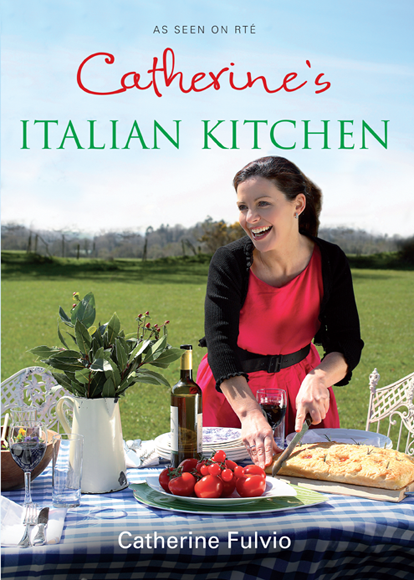
Catherine Fulvio is one busy lady these days. In addition to running Ballyknocken House and Cookery School in County Wicklow, she’s been filming her new series, Catherine’s Roman Holiday,* which premieres tomorrow in Ireland at 8:30 p.m. on RTÉ, doing cooking demos at summer festivals like Bloom and Taste of Dublin, and writing a fantastic new cookbook, Catherine’s Italian Kitchen, which was released last week.

Catherine was brought up at Ballyknocken, a traditional Irish farm that has been in her family for almost 100 years, and learned to cook from her mother by “hanging onto her apron strings.” Imbued with an appreciation of good food from an early age, the Italian twist in the tale is when she met her husband, Claudio Fulvio, who is originally from Palermo. They and their two young children now spend summers at their other home in Sicily, where Catherine is inspired by their Italian family and friends. This inspiration has translated into a cookbook full of easy and family-friendly recipes that are suitable for all levels of cook and which use ingredients that can be commonly found outside of Italy, meaning anyone can enjoy Italian flavors in their own kitchen, wherever you might be.

This oven-baked fennel sausage and tomato risotto is the first dish that jumped out at me to make, which is no surprise, seeing as how much I also like this cherry tomato and sausage bake. I particularly like this recipe since it has more vegetables than my other favorite risottos, and my kids happily devoured it. Catherine’s eggplant “meatballs” (polpette di melanzane) are already a favorite that I’ve made several times since watching her make them on her first TV series on RTÉ, and that recipe is included in her cookbook now as well. Other recipes I’ve bookmarked to try are the Leek, Gorgonzola and Walnut Pizza, Pistachio and Asparagus Penne, Braised Beef with Garlic, Lemon and Chili, and last but not least, Amaretto and Almond Truffle Tort.

We have a copy of Catherine’s Italian Kitchen to give away, so for a chance to win, just leave a comment telling us what Italian dish you’ve got a hankering for. The winner will be randomly chosen and the competition will close at midnight (US Central Time) on Friday, September 10. As Catherine would say, Buon appetito!

*You can watch sneak preview of the first show here, or even a behind-the-scenes peek at how the show was made here.

Oven-baked Sausage and Tomato Risotto
adapted from Catherine’s Italian Kitchen by Catherine Fulvio

Serves 4 to 6

The original recipe calls for Sicilian fennel sausages, but Italian sausages or good-quality butcher sausages are good substitutes. Catherine notes that this risotto won’t be creamy since there’s no constant stirring, but it’s just as delicious and is a great no-fuss weeknight option.

extra virgin olive oil
1 lb (450 g) Sicilian fennel sausages, Italian sausages or good-quality butcher sausages (I used garlic and herb)
1 onion, chopped
2 garlic cloves, finely sliced
1 3/4 cups (300 g) Arborio rice
1 carrot, finely diced
2 celery stalks, finely diced
3 tablespoons chopped fresh parsley
1 1/2 pints (750 ml) chicken stock
1 x 14 oz (400 g) can of cherry tomatoes or chopped tomatoes
1/2 cup (120 ml) dry white wine or vermouth
salt and freshly ground black pepper
Parmesan shavings, to serve

Preheat the oven to 350°F (180°C).

Heat some olive oil in a large frying pan or casserole dish over a medium heat. Cook the sausages for 15 minutes, until fully cooked. Remove from the pan and slice into bite-sized pieces. Set aside. Add the onion to the pan and saute on a low heat for 10 minutes, until lightly golden. Add the garlic and cook for 1 minute more. Add the rice, carrots, celery and parsley. Cook for 2 minutes, stirring from time to time. Return the sausages to the pan.

Meanwhile, in a separate pan, heat the chicken stock and tomatoes, then add the wine, stock and tomatoes to the casserole dish. Stir and cover with foil or a lid. Place in the oven and cook for approximately 45 minutes, until the liquid is absorbed and the rice is just tender, stirring occasionally. Sprinkle with Parmesan shavings and serve.

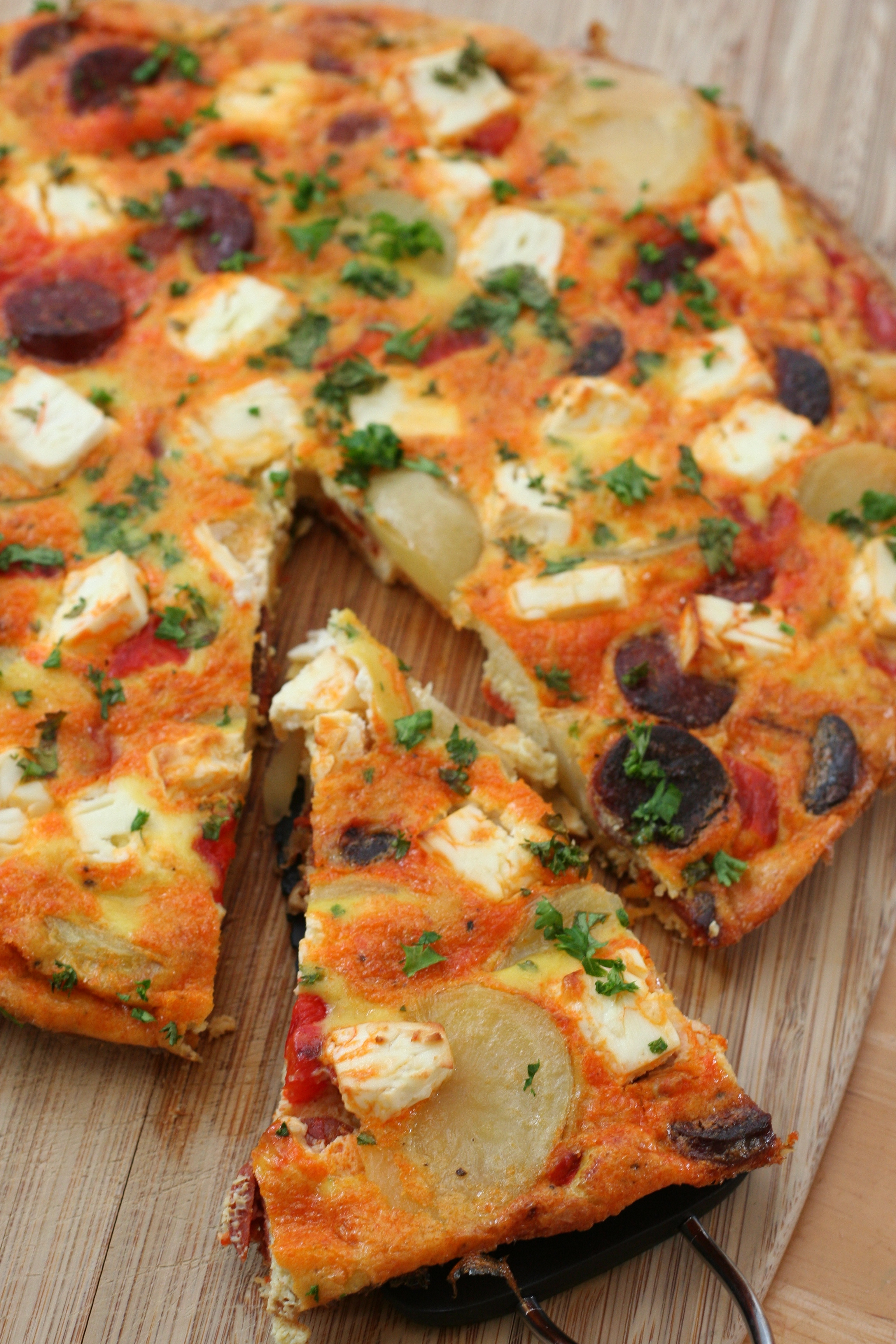
Chorizo, Red Pepper and Feta Frittata

We planted potatoes for the first time this year, joking that we were earning our Irish citizenship now. Of all the things we planted, my husband was most excited about the potatoes. The first thing he’d do when he got home from work was make a beeline to the garden to check on them, sometimes barely even stopping to say hello to the kids first. So when the diagnosis came back from our expert gardening friend that the potatoes had blight, he was pretty cut up about it. The good news is that the potatoes are still perfectly edible, but the bad news is they won’t store well. Suffice it to say we’re going to be eating a lot of potatoes over the coming weeks.

Most frittatas, which are like an Italian open-faced omelet, use potatoes, so it was one of the first things I thought of when faced with this sudden glut. Plus they’re perfect summertime food — not too heavy or filling and ideal for picnics, since they’re easy to transport and can be served at room temperature (I actually prefer them this way). It’s also a good way of using up bits and bobs of things that are hanging around in your crisper or pantry, making them open to endless variations.* This one is our new favorite, but I also like making one with baby potatoes and jarred artichoke hearts, or if provisions are very low in the house, I can usually rustle up a classic Spanish tortilla.

A word of warning here: to make a frittata, you need an ovenproof frying pan. No one wants to deal with a melted handle. And be sure to remember that the handle will be hot for quite some time after you take it out of the oven — I’ve burned my hand more times than I care to admit. Nowadays, I always leave an oven mitt or dishtowel wrapped around the handle as soon as I take it out of the oven to remind me to be careful.

Chorizo, Red Pepper and Feta Frittata

Serves 4 to 6 as a light dinner or brunch

For a vegetarian version, simply leave out the chorizo. Try to use potatoes that are roughly the same size so that they all cook in the same amount of time when you parboil them in the first step. Roasting the red peppers heightens their flavor, but if you don’t have them, simply chop them and saute them along with the onions.

1/2 lb (225 g) baby potatoes, unpeeled and left whole
olive oil
5 oz (140 g) chorizo sausage, thinly sliced
1 red onion, thinly sliced
2 cloves garlic, roughly chopped
2 red peppers, roasted, skinned and roughly chopped (or use well-drained jarred roasted peppers)
8 eggs
salt and freshly ground black pepper
5 oz (140 g) feta cheese, cubed or crumbled
green salad, to serve

Preheat the oven to 350°F (180°C).

Bring a pot of water to a boil. Place the potatoes in the pot and boil for about 5 minutes, or until just cooked and fork tender — do not overcook them or they won’t keep their shape when sliced. Drain. When they’re cool enough to handle, slice thinly and set aside.

Heat a splah of olive oil in a large ovenproof, nonstick frying pan over a medium heat. Add in the sliced chorizo and cook for about 5 minutes, until the chorizo has released its oils into the pan and has browned slightly. Scoop the chorzio out of the pan with a slotted spoon and set aside to drain on a paper towel-lined plate. If there’s an excessive amount of oil now in the pan, drain some off until only 1 or 2 tablespoons remain.

Reduce the heat to low, add the onion to the oil left behind in the pan and cook gently for 7 to 10 minutes, until softened. Add in the garlic and cook for 1 minute more, then remove from the heat. Add in the chopped roasted red peppers and set aside.

Whisk the eggs in a large bowl with a pinch of salt and some freshly ground black pepper (don’t use too much salt, since the chorizo and feta are also quite salty). Stir in the potatoes and chorizo. Using a slotted spoon, transfer the onion and peppers from the pan to the egg mixture and give everything a good stir.

Wipe out the frying pan and add 2 tablespoons of fresh olive oil (you can use less oil if you have a really good nonstick pan). Heat the oil in the pan, then pour in the egg mixture, making sure the chorizo and vegetables are evenly distributed throughout the pan. Top with the feta cheese.

Transfer the pan to the oven and cook for 25 to 35 minutes, or until set in the center. Remove from the oven and allow to cool a little before sliding it out of the pan onto a large serving platter or cutting board. Serve warm or at room temperature with a green salad on the side.

*Here are a few other frittata variations from around the web:

White Bean, Salami and Spinach Salad and Italian Chocolate Fridge Biscuits

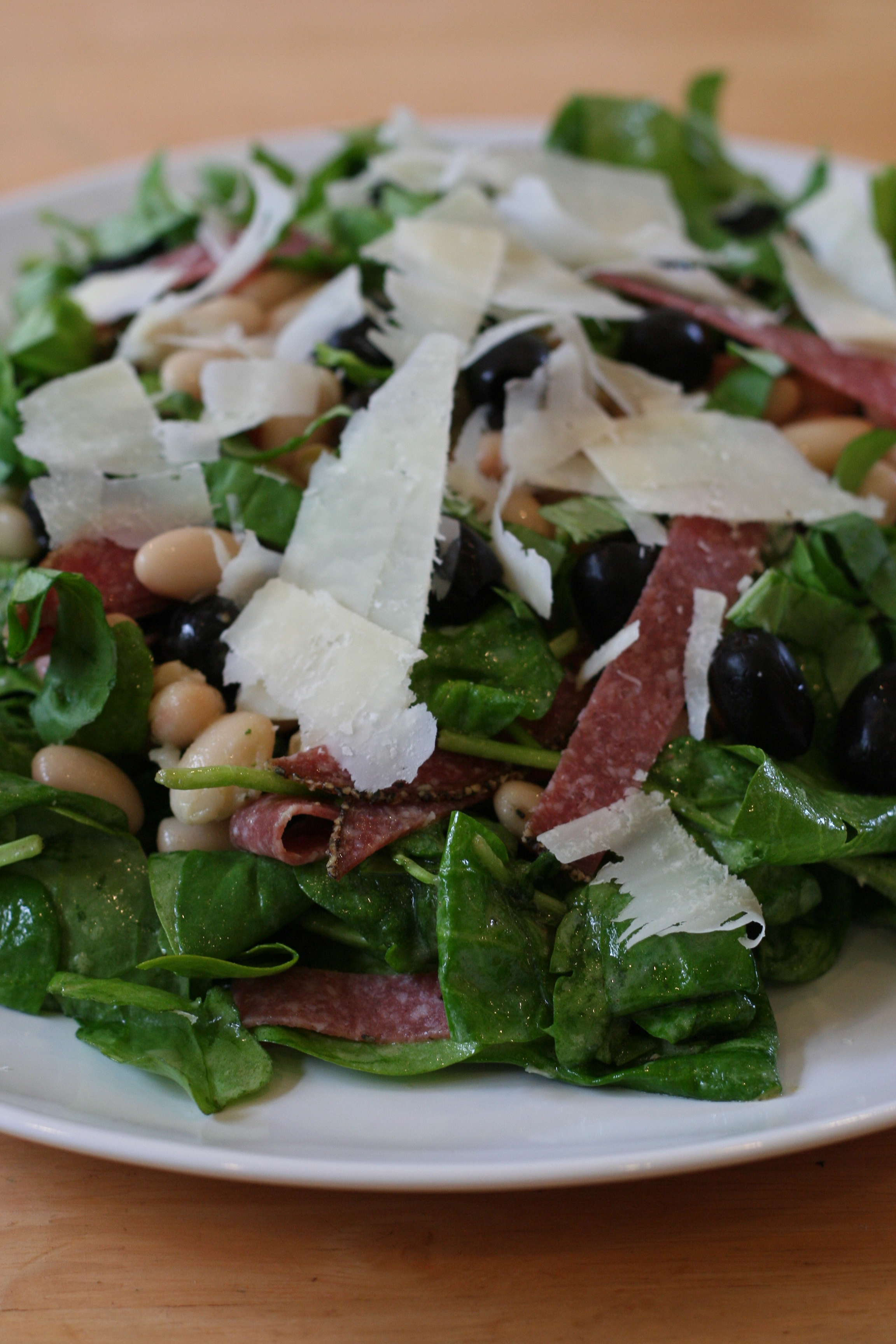
I’m a little jealous of all the heat waves in America lately. After the best June in years here in Ireland, July is turning out to be cold and rainy a lot of the time and we’re lucky to even hit 70°F. But last month, when we had proper warm weather, I was making salads for dinner almost every night and this is one of my favorites. Served with some crusty bread, it’s a perfect main course for a hot (or even not so hot) summer’s night.

And if you’re being good and eating salad for dinner, it’s as good of an excuse as any to splurge a little with one of these biscuits. If you can rouse yourself from the heat enough to melt some butter on the stovetop, then all you have to do is press the dough into a baking dish and leave it in the fridge overnight, making this ideal for summertime baking. I made them for the Irish foodies’ cookie bake-off* at the start of the month, and while at first I was a little disappointed in them (I’d been expecting more flavor from the coffee and Crunchie bars), they grew on me. They’re a grown-up kind of cookie, the kind of thing that’s perfect with a cup of coffee after dinner (or anytime).

White Bean, Salami and Spinach Salad
adapted from The Kitchen Diaries by Nigel Slater

Serves 2 as a light main course

for the salad:
7 oz (200 g) baby spinach (or about 4 big handfuls)
1/2 lb (225 g) salami, thinly sliced
a handful of basil leaves, cut into ribbons
2 x 14 oz (400 g) cans of cannellini beans, drained and rinsed
1 cup (100 g) black olives, halved
freshly grated Parmesan shards, to serve
crusty bread, to serve

for the dressing:
5 tablespoons extra virgin olive oil
1 tablespoon red wine vinegar
1 tablespoon Dijon mustard
1 tablespoon fresh thyme leaves, chopped (or 1 teaspoon dried)
salt and freshly ground black pepper

Put the spinach into a large serving dish. Cut the salami into thin strips and add to the spinach along with the basil, beans and olives.

To make the dressing, whisk the olive oil, vinegar, mustard, thyme and salt and pepper together until thick and creamy (or shake to combine in a screw-top jar). Pour the dressing over the salad and toss everything together gently. Grate over some thick shards of Parmesan cheese and serve with plenty of crusty bread.

***

Italian Chocolate Fridge Biscuits
adapted from Avoca Café Cookbook

Makes one 9 x 13 inch tray

3/4 cup (175 g) unsalted butter
1 1/4 cups (150 g) cocoa powder
1 cup (200 g) sugar
3/4 cup (75 g) ground almonds
3/4 cup (75 g) ground hazelnuts
1 tablespoon espresso or strong black coffee
1 egg and 1 egg yolk, beaten together
6 oz (175 g) Petit Beurre, high-quality butter cookies or digestive biscuits, roughly chopped
6 oz (175 g) honeycomb, such as Crunchie bars, roughly chopped
1 1/4 cups (175 g) hazelnuts, roughly chopped

Put the butter, cocoa, sugar, ground almonds and ground hazelnuts in a large pot and heat gently, stirring, until the butter has melted. Beat the coffee, egg and egg yolk into the mixture, then stir in the cookies, honeycomb and chopped hazelnuts. It will be very crumbly and rough looking at this stage.

Lightly oil a shallow 9 x 13 inch baking dish and firmly press the mixture into it (the mixture should be about 3/4 inch thick). Leave it to set in the fridge overnight, then turn out and cut into squares. Store in an airtight container in the fridge for up to 1 week.

*Looking for more cookie inspiration? Check out all these recipes from some other Irish foodies:

White Bean and Tuna Salad with Lemon Pepper Dressing

When you travel, what do you remember afterward? I remember the food. I have a better memory of eating quiche Lorraine for breakfast on a bench by the Seine in Paris than I do of seeing the Mona Lisa in the Louvre. Of course I remember the big-name sightseeing highlights, but I also remember the Nutella and banana crepe we bought from a stand near the Eiffel Tower; a brioche aux praline in Lyons that was so good we changed our return travel plans back to Paris just so we could eat it one more time; chocolate mint gelato in Florence served by a man in what looked like a crisp white lab coat and perfectly Brylcreemed 1950s hair; kriek cherry beer in Amsterdam, glögg in Copenhagen and a harsh, peaty whiskey in Edinburgh that I downed after (foolishly, in my case) taking the ghost tour of the city; conch chowder in the Bahamas; hot chocolate and a gingerbread man with my little girl in London; and a ploughman’s pub lunch in Canterbury. In Barcelona we spent more time eating tapas and drinking sangria than sightseeing. In the US, I still have clear memories of bratwurst being grilled on the Memorial Union Terrace in the summertime in Madison, Wisconsin; whole crabs in Baltimore, complete with a newspaper-covered table and hammers; lobster in Boston with flimsy plastic bibs and pitchers of beer; a post-wedding brunch at the Ritz in Washington, DC with scallops and bacon, caviar and waiters who seemed to top up my glass of mimosa after every sip; sopapilla and honey in Santa Fe; scoops of ice cream in waffle cones so freshly made on the spot in Bellingham, Washington that they were still warm; and a nondescript hot dog somewhere outside of Charlottesville, Virginia that I remember only because I couldn’t understand a single word the man behind the counter said when he rattled off all the toppings because his Southern accent was so thick, so I just said I’d have what my friend was having.

As for this salad, I had it for lunch on a rooftop café in Tuscany on my honeymoon eight years ago, looking out over rolling countryside that was hazy in the middle of the heat wave they were having at the time. Earlier during that trip, walking across the city on our way to stand in line in the hot sun for an hour to see Michelangelo’s David in Florence and wilting just at the thought of it, I turned to my husband and said, “Will seeing David really make us better people? How about we just go back to the garden at the hotel and drink beer and eat olives instead?” Which is exactly what we did.

What are some of your memories of food and travel?

White Bean and Tuna Salad with Lemon Pepper Dressing
adapted from How to Cook Book Two by Delia Smith

Serves 4 as a light main course or 6 as a starter/light lunch

for the salad:
2 x 14 oz (400 g) cans of cannellini beans
salt and freshly ground black pepper
a few handfuls of arugula (rocket), stalks removed
2 x 7 oz (200 g) cans of tuna, drained
1 red onion, peeled, sliced thinly and deflamed
crusty bread, to serve

for the dressing:
2 cloves garlic, peeled
2 teaspoons Maldon sea salt
1 heaped teaspoon mustard powder, such as Colman’s
1 teaspoon freshly ground black pepper
6 tablespoons extra virgin olive oil
zest and juice of 1 large lemon (3 tablespoons juice)

To make the dressing, first crush the garlic and salt using a pestle and mortar until the garlic is pulverized into a paste, then work in the mustard powder and pepper. If you have a large pestle and mortar, add the olive oil, lemon zest and juice directly into it and whisk everything together thoroughly. If your pestle and mortar is small (like mine), then scrape the garlic paste into a larger bowl and whisk in the olive oil, lemon zest and juice in that.

Place the beans in a bowl and pour the dressing over, stirring to make sure all the beans are coated. Season generously.

To serve the salad, arrange three-quarters of the arugula (rocket) leaves over the base of one large serving dish (or you could assemble the salad on individual plates), spoon the beans on top and add the tuna fish in chunks. Add the rest of the arugula, pushing some of the leaves and chunks of tuna right in amongst the beans. Arrange the onion slices on top and serve straight away.

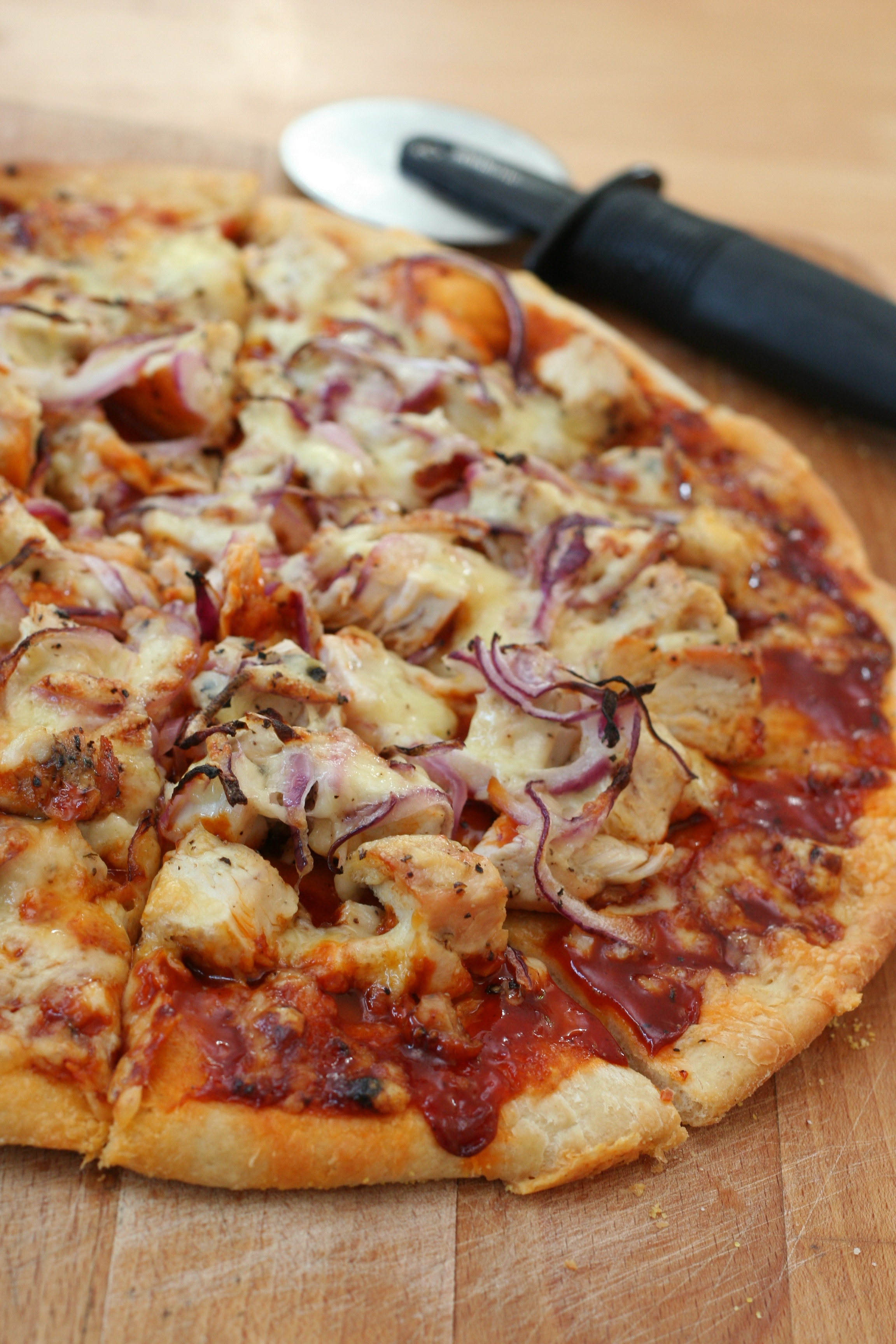
Homemade Pizza

When you make friends in the virtual world of blogging, it turns out you can have a virtual party too — an online pizza party, in our case. A few Irish foodies were chatting on Twitter last week, a few pizza craving comments were casually tossed around and before we knew it Sarah had taken the lead in planning a #twizzaparty last Thursday, where nine of us were to all make homemade pizzas, tweet about it and blog it, with Lorraine volunteering to judge the results and even donate some prizes from her Italian deli in Limerick.

Sure, it’s easier to order take-out, and with a good pizzeria only a five-minute drive away we certainly do our fair share of that, but one of the great things about making your own pizzas is that kids love helping out with it, so it’s a fun way to get them involved in the kitchen. But if you’re not crazy about the idea of making your own dough, then you could buy ready-made pizza bases or dough at the grocery store and load them up with your own fresh toppings. I’ve included a list of all the toppings made for the twizzaparty (we would appear to like Parma ham a lot), as well as a few more from around the internet to get you going.

This dough is absolutely foolproof and is the only recipe I use now. Resting the dough overnight is a tip that’s new to me, and if nothing else I found that it made the dough easier to roll out the next day (Lorraine also passed on a tip to cover it with a damp tea towel to keep it from rising too much in the fridge). And everyone loves a secret ingredient, so I’ll let you in on the one in my tomato sauce — anchovy paste. Don’t worry, it doesn’t make the sauce taste at all fishy, it just adds a little hit of umami goodness.

Basic Pizza Dough
adapted from The River Cottage Family Cookbook by Hugh Fearnley-Whittingstall

Makes enough for 2 pizzas or 1 loaf of white bread

4 1/4 cups (500 g) strong white flour, plus extra for dusting the work surface
2 teaspoons salt
2 teaspoons (1 x 7 g sachet) easy-blend (fast-action) yeast
2 tablespoons olive oil
2 teaspoons sugar or honey
1 1/4 cup (300 ml) warm water
cornmeal/polenta, for the base of the pizza (optional)

To make the dough in a bread machine, simply follow the usual instructions for your machine, then skip to the last step.

To make the dough by hand, put the flour in a large mixing bowl, add the salt and yeast and stir with a wooden spoon until well combined. Pour the warm water into a measuring jug, then add the olive oil and sugar (or honey). Stir well. Pour the water mixture onto the flour in the bowl, a little at a time. Either with the wooden spoon or your hands, work the water into the flour and gradually bring it all together into a mass of soft, slightly stick dough. If the dough feels very sticky, add a little more flour. If it feels as if it won’t come together, then work in some more warm water — a soft dough is much easier to knead.

Flour the work surface and turn the dough out onto it. It will look rough and saggy at this stage, so it has to be kneaded until it’s smooth and bouncy. Keep kneading for at least 10 minutes (or you could use the dough hook of a stand mixer). Shape the dough into a neat ball, put it back in the mixing bowl and cover the bowl with some cling film or a damp kitchen towel to prove in a warm, draft-free place until doubled in size — this will take 90 minutes to 2 hours.

When the dough has risen, preheat the oven to 425°F (220°C). Lightly grease a pizza pan or baking sheet with olive oil, then sprinkle over some cornmeal, if using. Knock out the air and roll the dough out into a 12-inch round (or whatever size will fit your pan/sheet) and place in the prepared pan or baking sheet. Cover the dough with your toppings and bake for 15 to 20 minutes, or until golden (check after 10 minutes to make sure nothing is burning). Allow to stand for 10 minutes, then cut into slices and serve immediately.

***

Tomato Sauce with a Secret Ingredient

Makes more than enough for 2 pizzas

2 x 6 oz cans (or 1 x 300 g jar) tomato paste (a.k.a. tomato puree)
3/4 cup (175 ml) water (or more if you prefer a thinner sauce)
2 or 3 garlic cloves, finely minced
1/4 cup (25 g) finely grated Parmesan cheese
2 teaspoons anchovy paste (optional, but come on, it’s the secret ingredient!)
1/2 teaspoon dried oregano
1/2 teaspoon dried basil
1/4 teaspoon dried chili flakes (optional)
salt and freshly ground black pepper
pinch of sugar

In a small bowl, combine the tomato paste and water, stirring to combine. Add the garlic, Parmesan, anchovy paste, basil, oregano and chili flakes. Add seasoning to taste, but watch the salt if you’ve used the anchovy paste, as it’s quite salty. Mix together well and add a generous pinch of sugar (or to taste) to counteract the acidity of the tomato paste. Allow the sauce to stand for at least 30 minutes to blend the flavors (though the longer you can leave it, the better), then taste again and adjust the seasoning if needed. Spread the sauce over your pizza dough, then pile on the toppings. Use any leftovers as a pasta sauce, or freeze.

***

Topping suggestions

Here’s what we made for the twizzaparty:

  • Hickory BBQ sauce, smoked Applewood cheese, red onions and roasted chicken (my pizza, pictured)
  • Mushroom, Manchego cheese and sage (An American in Ireland)
  • Chicken, asparagus, sweetcorn, feta, red onion, mozzarella (Babaduck Babbles)
  • Parma ham, salami, garlic mushrooms, Taleggio, mozzarella (Babaduck Babbles)
  • Pork, onion, tomato, mushroom, mozzarella, basil (Babaduck Babbles)
  • Roast asparagus, soft Knockalara sheep’s cheese and roasted hazelnuts (Bibliocook)
  • Parma ham, mozzarella, chili oil and fresh basil (Gluttony for Beginners)
  • Caramelized onions and goat’s cheese with cherry tomatoes (I Can Has Cook?)
  • Parboiled asparagus tips, Parma ham and mascarpone cheese (I Can Has Cook?)
  • Wilted spinach, cherry tomatoes and ricotta cheese (I Can Has Cook?)
  • Buffalo mozzerella, Parma ham, black olives, green olives stuffed with pimento paste, capers and sun-dried tomatoes (Like Mam Used to Bake)
  • Caramelized onion and goat’s cheese (Musings of a Med Student)
  • Mozzarella, mature cheddar, Gruyère, baked ham and Parma ham (Smörgåsblog)

And here are some more suggestions from around the internet:

Chicken Piccata with Buttermilk Mashed Potatoes

It’s often said that there are six degrees of separation in the world, but I always say it’s much less than that in Ireland because it’s such a small country. Let me give you some examples of what I mean. I’m four degrees removed from Prince Charles (I’m friends with a woman who worked with Seamus Heaney’s wife, and Seamus Heaney once sat next to Prince Charles at a dinner — this also makes me three degrees removed from Seamus Heaney). I’m three degrees removed from Bono (I worked on a book written by Adi Roche, who founded the Chernobyl Children’s Project International charity, which has Ali Hewson as its patron, who is married to Bono). And after meeting the lovely Sharon Hearne-Smith at the Bord Bia Irish food bloggers event two weeks ago, I’m now only two degrees removed from the Barefoot Contessa herself, since Sharon is a food stylist who works on her TV show. Sure, Prince Charles, Seamus Heaney and Bono all make for a good story, but it was talking to someone who has actually worked with Ina Garten — who has been in her house and had the legend herself make her a whiskey sour! — that made me swoon in fawning admiration (and, truth be told, complete jealousy).
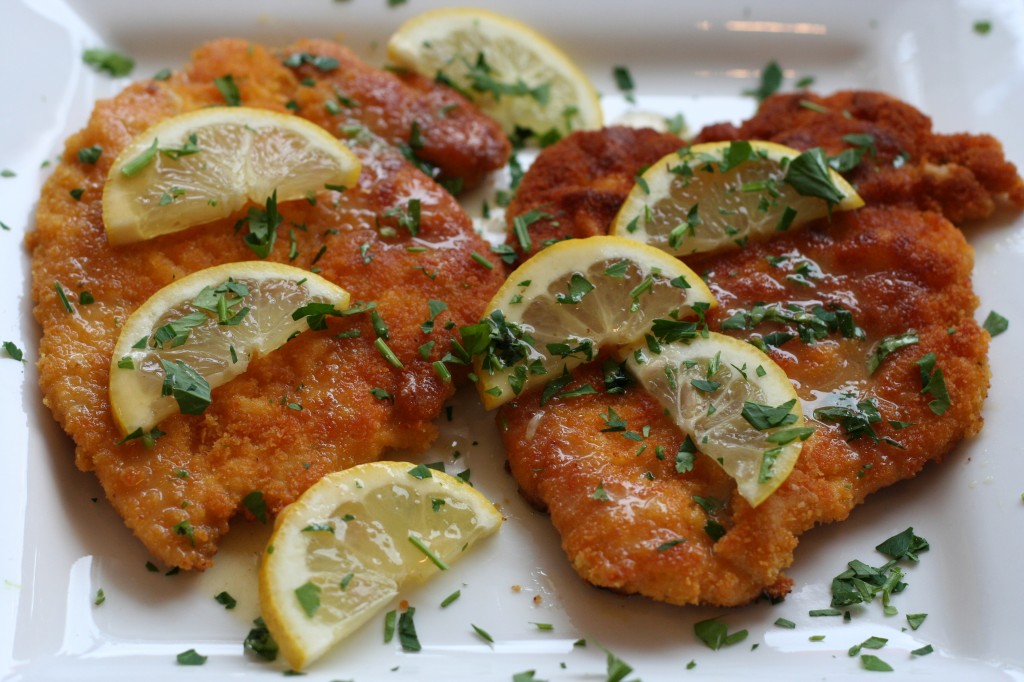
Which is all as good a way as any to segue into this chicken piccata recipe. You probably know by now how much I love Ina Garetn’s recipes and how many of them I cook, so it’s no small thing to say this one is one of my favorites (plus kids tend to love anything breaded). Another great thing about this recipe is that you can easily turn it into Parmesan chicken by adding 1/2 cup (50 g) grated Parmesan to the breadcrumbs and omitting the lemon sauce. I won’t kid you, the method is a little time consuming and messy, what with all the pounding and measuring and bowls to clean afterward, but the results are worth it.

You could serve just about any vegetable with this; I made these green beans dressed with lemon juice, olive oil and sea salt.

Chicken Piccata
adapted from Barefoot Contessa at Home by Ina Garten

Serves 4

As an alternative to flattening the chicken with a meat tenderizer, simply butterfly each breast, cut it in half and proceed with the rest of the recipe as written.

4 boneless, skinless chicken breasts
salt and freshly ground black pepper
1/2 cup (50 g) all-purpose flour
1 or 2 large eggs
1/2 tablespoon water
1 cup (50 g) seasoned dry breadcrumbs (I used Paxo brand here in Ireland)
good-quality olive oil
3 tablespoons (45 g) unsalted butter, at room temperature, divided
juice of 2 lemons (to yield 1/3 cup (80 ml) juice), lemon halves reserved
1/2 cup (120 ml) dry white wine
sliced lemon, to garnish
chopped fresh parsley leaves, to garnish

Preheat the oven to 400°F (200°C). Line a baking tray with parchment paper.

Place each chicken breast between 2 sheets of parchment paper or plastic wrap and pound with a meat tenderizer or rolling pin until it’s 1/4 inch thick. Sprinkle both sides with salt and pepper.

Mix the flour, 1/2 teaspoon salt and 1/4 teaspoon of pepper in a shallow plate. In a second plate, beat the egg and 1/2 tablespoon water together. Place the breadcrumbs on a third plate. Dip each chicken breast first in the flour and shake off the excess, then dip in the egg and lastly the breadcrumb mixtures.

Heat 1 tablespoon of olive oil in a large frying pan over a medium to medium-low heat. Add the breaded chicken breasts and cook for 2 to 3 minutes on each side, until browned. Place them on the lined baking tray and allow them to bake in the oven for 5 to 10 minutes while you make the sauce.

To make the sauce once you’ve cooked all the chicken, wipe out the pan with a dry paper towel. Over a medium heat, melt 1 tablespoon (15 g) of the butter, then add the lemon juice, wine, the reserved lemon halves, 1/2 teaspoon salt, and 1/4 teaspoon pepper. Boil over a high heat for about 2 minutes, until reduced by half. Off the heat, add the remaining 2 tablespoons (30 g) butter and swirl to combine. Discard the lemon halves and serve 1 chicken breast on each plate. Spoon on the sauce and serve with slices of lemon and a sprinkling of fresh parsley to garnish.

***

Buttermilk Mashed Potatoes 
from A New Way to Cook by Sally Schneider

Serves 4

You can make the potatoes up to 3 hours ahead. About 20 minutes before serving, warm them in a double boiler, stirring frequently, until hot.

1 1/4 lb (570 g) floury potatoes, such as Kerr’s Pink, Maris Piper or Yukon Gold, peeled and cut into 2‑inch chunks if large
1 1/2 teaspoons kosher salt
3/4 cup (180 ml) buttermilk, warmed (not hot)
1 tablespoon (15 g) unsalted butter
freshly ground black pepper

Place the potatoes and 1 teaspoon of the salt in a medium saucepan, add enough water to cover, and bring to a boil over a high heat. Reduce the heat to moderate and simmer until the potatoes are tender when pierced with a fork, about 45 minutes. Drain, reserving 1/4 cup (60 ml) of the cooking water.

Return the potatoes to the pan and set over a low heat, uncovered, for about 5 minutes, stirring occasionally, to let the potatoes dry out a little (too much moisture will dilute their flavor). For the smoothest potatoes, pass them through a food mill or potato ricer. For a slightly coarser puree, mash them with a potato masher or fork or use a hand mixer. Beat the buttermilk into the potatoes with a wooden spoon until thoroughly incorporated. If you prefer even creamier potatoes, add a little of the reserved cooking liquid. Beat in the butter, the remaining 1/2 teaspoon salt, and plenty of pepper. Serve at once, or keep the potatoes warm, covered, in a double boiler over hot water for up to 1 hour.