All posts by Kelly

Maple Yogurt Pound Cake with Berries

Was anyone else disappointed by the lackluster weather on the summer solstice? I can usually depend on June 21st (my half-birthday) for some decent weather. But sadly, this year I can count the number of warm, sunny days on one hand. Our CSA box did brighten my week though, full of tender greens, succulent strawberries and even a jug of maple syrup. The maple syrup was especially welcome. It’s hard to believe the amount of maple syrup our family goes through. We love it in yogurt, on oatmeal, and, of course, on waffles and other breakfast treats. I also bake with it whenever possible, preferring it to more processed sweeteners.

Though not every dessert recipe is suitable for maple syrup, this pound cake recipe is an ideal platform. I loved the subtle maple flavor in the batter. I can’t even begin to describe how good it smelled while baking, like pancakes and vanilla and freshly baked bread all at once. Using yogurt and oil instead of pound cake’s traditional butter base results in a lighter cake that stays lusciously moist for days — and won’t destroy your summer “I have to wear a bathing suit in public” diet. The pound cake is perfect for pairing with the season’s berries, sliced or slightly macerated. I also like this pound cake for breakfast, lightly toasted and spread with my friend Alex’s amazing homemade raspberry jam. Jam recipe forthcoming if I can ever talk her into sharing it.
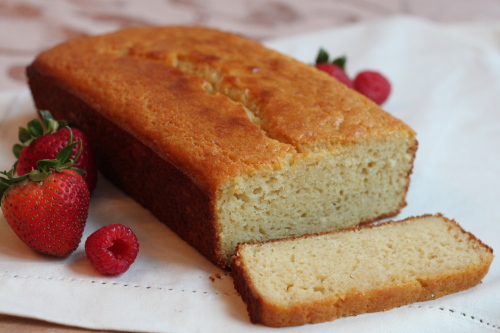
Maple Yogurt Pound Cake with Berries
adapted from food52

Makes 1 loaf

For a healthier and more substantial loaf (pictured above), substitute 1/2 cup of whole wheat flour for 1/2 cup of the all-purpose flour. I prefer white whole-wheat flour or whole-wheat pastry flour for a lighter texture.

1/2 cup (120 ml) Grade B maple syrup
3/4 cup (180 ml) yogurt, preferably not non-fat
1/4 cup (50 g) sugar
3 eggs
1 teaspoon vanilla
1/2 teaspoon lemon zest
1 1/2 cups (180 g) all-purpose flour
2 teaspoons baking powder
1/4 teaspoon salt
1/2 cup (125 ml) oil [Note: I use canola]

Position the rack in the center of the oven and preheat to 350°F (180°C). Generously butter a 8 1/2 × 4 1/2 × 2 1/2‑inch metal loaf pan.

Combine the yogurt, syrup, sugar, eggs, vanilla and lemon zest. Stir or whisk to combine.

In a separate bowl, combine the flour, baking powder and salt. Add the dry ingredients to the wet ingredients and stir to incorporate. Add the oil and fold in gradually until the oil absorbs completely into the batter.

Pour the batter into the prepared loaf pan. Place the pan on a baking sheet in the oven and bake for about 50 minutes, until a tester inserted into the center comes out clean. Cool the cake in its pan on a rack for 5 minutes. Cut around the pan sides to loosen the cake, then turn out onto the rack. Turn the cake upright on the rack and cool completely.
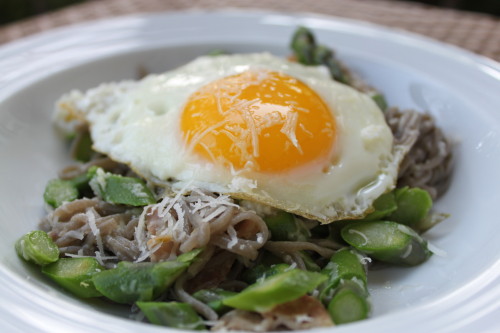
Egg-Topped Soba Noodles with Asparagus and Prosciutto and Double Chocolate Muffins

Things are still crazy, hectic, almost out of control in my household. We’re still managing to eat well though, thanks in part to my husband. We’ve settled into a pattern where I do the meal planning and grocery shopping and he takes care of the cooking while I pick up the kids from daycare. His most recent dinner was absolutely amazing, the type of meal where the only full sentence spoken (even from your kids) involves some variation of “this is delicious.” While the meal is quick and healthy, it does require multiple pans and you really have to be on your toes to make sure nothing is overcooked. Still, if you’re short for time but energized enough to maneuver three pots at once, this one is hard to beat.

Egg-topped Soba with Asparagus and Proscuitto

Egg-Topped Soba Noodles with Asparagus and Prosciutto
adapted from Bon Appétit, February 2010

Serves 6

4 tablespoons extra-virgin olive oil, divided
5 garlic cloves, coarsely chopped
4 oz (110 g) thinly sliced prosciutto, cut crosswise into strips
6 large eggs
10 to 12 oz (280 to 340 g) thin soba noodles
1 lb (450 g) asparagus, ends trimmed, cut on sharp diagonal into 1/8‑inch-thick slices
1 cup (100 g) freshly grated Parmesan cheese

Fill a large pot with water and bring to a boil.

Meanwhile, heat 2 tablespoons extra-virgin olive oil in a large skillet over a medium-high heat. Add the garlic and stir 30 seconds. Add the prosciutto strips and cook until slightly crisp. Remove from the heat and set aside.

Heat 2 teaspoons of oil in a large nonstick skillet (or 2 small nonstick skillets) over a medium heat. Crack the eggs carefully into the skillet. Cook on 1 side until the eggs begin to set, about 2 minutes. Remove from the heat. Cover and set aside.

Cook the soba noodles in the large pot of boiling water for 5 minutes, stirring occasionally. Add the sliced asparagus to the pot. Cook until the noodles are cooked through and the asparagus is just tender, 2 to 3 minutes. Do not overcook! Drain the noodles and asparagus, reserving 1 cup (250 ml) of the cooking liquid.

Add the drained noodles and asparagus to the prosciutto mixture in the skillet. Cook over a medium heat until just heated through, tossing and adding the reserved cooking liquid by 1/4 cupfuls (50 ml) to moisten.

Remove the skillet from the heat. Add the grated Parmesan cheese and remaining 1 tablespoon plus 1 teaspoon olive oil and toss to coat. Divide among 6 plates or shallow bowls. Top each serving with 1 egg and serve immediately, breaking and stirring the egg yolk (which should still be a bit runny) into the noodles.

***

Double Chocolate Muffins

My daughter is “graduating” to a toddler room at her daycare this week. In a fit of panic after forgetting to buy her teachers a good-bye gift, I threw together these muffins with the odds and ends I had in my house. What a discovery! They are moist and chocolaty, and just healthy enough to eat for breakfast. I hope they enjoyed them. I know we did.

Makes 24 muffins

1 1/2 (180 g) cups all-purpose flour
1 cup (120 g) whole wheat flour
1 1/2 cups (300 g) sugar
1/2 cup (60 g) cocoa
1 1/2 teaspoons baking soda
1/2 teaspoon salt
3 eggs
1 cup (250 ml) plain yogurt
1/2 cup (125 ml) water
1/2 cup (125 ml) milk
1/2 cup (125 ml) vegetable oil
1 teaspoon vanilla extract
1/2 cup (80 g) grated dark chocolate
1 cup (200 g) white chocolate chips

Preheat the oven to 325°F (160°C). In a large bowl, whisk together the flours, sugar, cocoa, baking soda and salt.

In a medium bowl, whisk together the eggs, yogurt, water, milk, oil and vanilla. Stir the wet ingredients into the dry ingredients until just moistened. Do not overmix! Fold in the grated chocolate and white chocolate chips.

Fill greased or paper-lined muffin cups about 3/4 full. Bake for about 20 minutes, or until a toothpick comes out clean. Cool the muffins for 5 minutes before removing from the pans to wire racks.

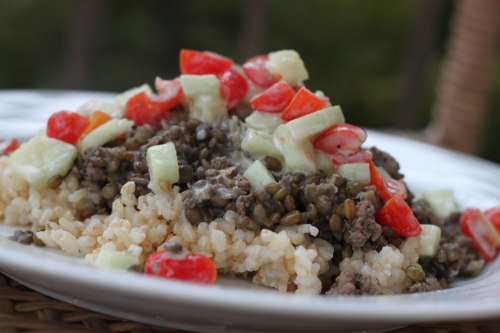
Spiced Lamb and Lentils with Cucumber-Tahini Salad

Sometimes I love being on the “mommy track” but recently juggling kids and a career seems like the craziest idea I ever had. The last few months have been terribly stressful at work. I’ve barely had time or energy to cook. You might have noticed this downward culinary slide due to my lack of recent posts (sorry, Kristin). Luckily, I have a handful of make ahead recipes to help me through these rough patches. This is my newest — and favorite.

Lamb might seem pretty rich for a weeknight springtime meal, but the lentils lighten up this dish and the cucumber salad lends just the right amount of tangy freshness. I like to cook the lentil and lamb stew the night before, after I put the kids to bed and pour a generous glass of wine. You can cool and refrigerate the stew right in the pan you cooked it in. A programmable rice cooker can take care of the rice for you the next day while you work. All you have to do when you arrive home is throw together the salad and reheat the stew. And that is how I managed (at least for one night) to put a healthy, incredibly tasty dinner on the table in 10 minutes.

Spiced Lamb with Lentils

Spiced Lamb and Lentils with Cucumber-Tahini Salad
adapted from Whole Foods Market

Serves 6

3 cups (700 ml) low-sodium chicken broth, divided
1 medium yellow onion, chopped
3 cloves garlic, minced
1 lb (450 g) ground lamb
1 3/4 teaspoons dried dill, divided
1/2 teaspoon dried oregano
1/4 teaspoon ground cinnamon
1 cup (175 g) green lentils
1 tablespoon sesame tahini
1/2 teaspoon salt
1 tablespoon lemon juice
1 cucumber, peeled, seeded and diced
2 plum tomatoes, chopped
cooked brown rice, to serve

Bring 1/2 cup (125 ml) broth to a simmer in a large pot or high-sided skillet over a medium-high heat. Add the onion and garlic and cook for 5 minutes, or until tender and translucent. Add the lamb, dill, oregano and cinnamon and cook for 6 to 8 minutes or until browned, stirring to break up the lamb. Stir in the lentils and remaining 2 1/2 cups (625 ml) broth. Bring to a boil, then reduce the heat to low. Cover and simmer, stirring occasionally, until the lentils are tender, about 45 minutes. If serving the next day, cool the stew then refrigerate it.

To make the salad, in a small bowl, combine the tahini, salt and lemon juice, then stir in the cucumber and tomato. If the lamb and lentils have been chilled, rewarm over a medium heat. Spoon the warm lamb and lentils over rice and top with the cucumber tomato salad.

Chicken and Bacon Pot with Oatmeal Freezer Cookies

I’m usually not a fan of boneless, skinless chicken breasts. In comparison to chicken thighs, I find chicken breasts too easy to dry out and dull in flavor, reserved only for dishes with lots of other “wow” ingredients. Maybe it’s the bacon in this dish or the top-quality chicken that I used, but this one-dish chicken recipe proved me wrong. The sauce is savory and satiny, the meat moist and tender, and it all meshes perfectly on top of basmati rice. My kids both asked for thirds and I hid the leftovers for myself. 

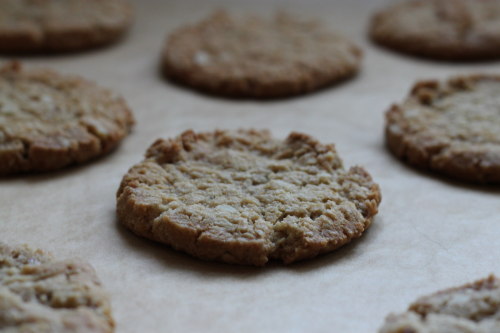
I took advantage of my already hot oven and put in a batch of oatmeal freezer cookies before we sat down to eat. Despite the fact that it’s May, it’s damp and gray here in Wisconsin — but good weather for baking cookies. Freezer cookies are ideal desserts for busy people. You can make the dough days, weeks, even months in advance, then store it in your freezer until you need it. On the day you want to bake the cookies, simply thaw the dough in the fridge, slice, and bake it. Hot cookies fresh from the oven in minutes!

Chicken and Bacon Pot
adapted from Easy Everyday: Simple Recipes for No-fuss Food

Serves 4

High-quality chicken is essential for chicken breast-based recipes like this one. I used chicken shipped to me from Springer Mountain Farms, which prides itself on their 100% natural, vegetarian-fed and humanely raised (certified by the American Humane Association) chicken.

1 tablespoon olive oil
8 oz (225 g) bacon, diced
8 oz (225 g) white, button mushrooms
4 boneless, skinless chicken breast fillets
1 garlic clove, crushed
2 shallots or 1 small onion, diced
1/3 cup (40 g) flour
2 cups (500 ml) chicken broth or stock
2/3 cup (150 ml) white wine
1 bay leaf
a handful of fresh parsley, chopped
sea salt and freshly ground black pepper
basmati rice, to serve

Preheat the oven to 350°F (180°C). Heat the olive oil in a casserole dish, add the bacon and mushrooms, and cook over medium heat until golden. Transfer the bacon and mushrooms to a plate.

Put the chicken breasts in the casserole and quickly brown on both sides. Set the chicken aside with the bacon.

Saute the garlic and shallots (or onion) over a low heat in the same pan for about 5 minutes. Add the flour and mix well. Stirring constantly, cook the flour mixture about 1 minute, until well blended and nutty smelling, being careful not to burn the flour. Remove the pan from the heat, slowly pour in the stock and wine, and stir or whisk until smooth. Return the pan to the heat and bring to a boil, stirring constantly for another 2 to 3 minutes, or until the sauce slightly thickens. Mix in the bacon and mushrooms, then add the chicken, bay leaf, and seasoning. Cover and cook in the oven for 30 minutes. Add the parsley just before serving with rice.

***

Grandma Dot’s Oatmeal Freezer Cookies
adapted from cooks.com

Makes about 2 dozen cookies

I freeze this dough in smallish logs, just enough to make about 8 cookies. By freezing smaller portions, the dough thaws more quickly. And because I only bake a few cookies at a time, they are always fresh.

1/2 cup (100 g) shortening
1/2 cup (85 g) brown sugar
1/2 cup (100 g) sugar
1 egg
1 teaspoon vanilla
3/4 cup (90 g) flour
1/2 teaspoon salt
1/2 teaspoon baking soda
1 1/2 cups (120 g) rolled oats
1/4 cup (25 g) finely chopped pecans or walnuts

Preheat the oven to 350°F (180°C). Cream the shortening and sugars. Beat in the egg and vanilla.

In a separate bowl, stir together the flour, salt, baking soda, oats and nuts. Add the flour mixture to the creamed mixture until just blended.

Shape the dough into 2‑inch rolls, like refrigerator cookie dough at the grocery store, on waxed paper. Roll up and twist the ends together. Chill until firm (at least 2 hours) or freeze for later use (place logs in a plastic bag before freezing). When ready to bake the cookies, thaw the dough (only if frozen), then cut into 3/4‑inch slices. Place on an ungreased cookie sheet with at least 1 inch separating the cookies. Bake at 350°F (180°C) for approximately 10 minutes.

Classic Spaghetti Carbonara

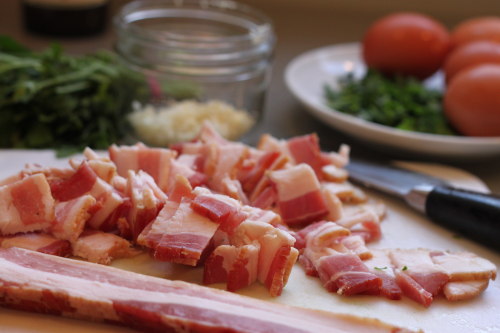
When I’m feeling especially nice, or especially burdened with working mom’s guilt, dinner planning tends to be child-focused. My kids are great eaters, but like most kids, they’d rather have white bread than wheat, white rice instead of brown, and regular pasta instead of whole grain. Since I knew I was going to put something white (i.e. unhealthy) on their plates, why not just do it up right with bacon, cheese and a few eggs,  à la carbonara?

I’ve been wanting to try pasta carbonara for years but never thought to search out a recipe. I ended up using a simple, straightforward version from a culinary school’s online recipe collection. Admittedly, I’ve never eaten pasta carbonara so I can’t tell you if their version is especially good. I can tell you that my kids gobbled it up, asking for more before their first helpings were even finished. My husband and I also enjoyed it, though we both agreed that extra freshly chopped parsley and cracked black pepper enhanced the dish.

Carbonara ingredients

Classic Spaghetti Carbonara
adapted from Baltimore International College’s School of Culinary Arts

Serves 4

To make this a 30-minute meal, put on your pasta water to boil immediately. While the water comes to a boil, you can chop your ingredients. Start the bacon frying, then throw your pasta in its water. The sauce comes together in just about the same time it takes the spaghetti to cook.

1/2 lb (225 g) bacon, chopped
1 tablespoon garlic, chopped
1 lb (450 g) fresh spaghetti, cooked al dente (note: I used dry pasta)
4 large eggs, beaten
1 cup (100 g) freshly grated Parmigiano-Reggiano
1 tablespoon chopped fresh parsley (or more, to taste)
salt and freshly ground black pepper

In a large sauté pan over a medium heat, cook the bacon until crispy, about 6 minutes. Remove the bacon and drain on paper towels. Pour off all the oil except for 3 tablespoons. Add the garlic, season with black pepper and sauté for 30 seconds. Add the crispy bacon and the cooked pasta. Sauté for 1 minute.

Season the eggs with salt. Remove the pan from the heat and add the eggs, whisking quickly until the eggs thicken, but do not scramble. Add the cheese and re-season with salt and pepper. Mound into serving bowls and garnish with parsley.

Red Cabbage Salad with Apples, Bacon, and Pecans and Baked Potato Soup

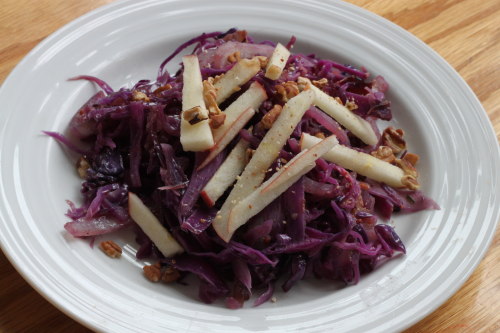
Anyone else out there having salad withdrawal? What I wouldn’t give for a plate of tender lettuces, crisp cucumbers and juicy tomatoes. But, alas, there is still snow in my yard and we are a long way from August. Though I promised myself to try more winter salads, I added only one to my repertoire this year, a hearty red cabbage and apple concoction that’s more side dish than salad. The addition of bacon made it robust enough to serve to my steak-and-potatoes-loving dad. The baked potato soup served alongside also benefits from the addition of some crumbled bacon. And honestly, if you’re going to the trouble of cooking up a few ounces of bacon for the salad, you may as well cook up the whole package. If we can’t have great produce, we may as well enjoy another excuse to eat bacon.

Red Cabbage Salad with Apples, Bacon, and Pecans
adapted from Best of the Best Vol. 9: The Best Recipes from the 25 Best Cookbooks of the Year 

Serves 6

This cookbook is actually a compilation of recipes taken from other cookbooks. I love that someone else took the trouble of figuring out which recipes are winners since I have limited cookbook space in my kitchen. This recipe is from Chef Suzanne Goin’s Sunday Suppers at Lucques. I cut prep time for the recipe by skipping the freshly toasted bread crumbs called for in the original recipe and buying pre-roasted pecans. Chef Goin serves this salad alongside pork chops or duck.

1/2 cup (50 g) pecans
1/4 lb (110 g) bacon, sliced into 1/4 in. thick lardons
1 1/2 lbs (680 g) red cabbage, cored and finely shredded
1 red onion, halved lengthwise and thinly sliced crosswise
1 1 /2 teaspoons fresh thyme or 1/2 teaspoon dried thyme
2 tablespoons red wine or sherry vinegar
salt and freshly ground pepper
1 tablespoon whole-grain mustard
1 apple (Fuji, Gala, or Braeburn) halved, cored and cut into 2‑by‑1/4‑inch matchsticks

Spread the pecans in a heavy skillet and toast over medium heat for 5–6 minutes, stirring frequently, until fragrant and golden. Transfer the pecans to a plate to cool, then coarsely chop them.

In a large, deep skillet, cook the bacon over moderately high heat, stirring occasionally, until lightly browned but still chewy, about 6 minutes. Stir in the red cabbage, onion, and thyme. Add the vinegar and cook until the cabbage is wilted but still crunchy, about 6 minutes more. Season with salt and pepper.

In a large bowl, toss the cabbage with the mustard. Add the apple and toss gently. Sprinkle the salad with the toasted pecans and serve.

***

Baked Potato Soup
adapted from Smitten Kitchen

Serves 6

1 head garlic
3 tablespoons unsalted butter
2 medium leeks, white and light green parts halved lengthwise, washed, and chopped
6 cups (1 1/2 l) low-sodium chicken broth
2 bay leaves
3/4 teaspoon salt
2 1/4 lbs (1 kg) pounds russet potatoes, peeled and cut into 1/2‑inch cubes
1/3 (80 ml) cup sour cream
ground black pepper

toppings (optional):
fresh chives or scallions, minced
bacon bits
sour cream
cheddar cheese, grated

Rinse the head of garlic to remove any outside grit or dirt. Cut the top third off the head and peel any loose papery skins off the bottom two-thirds. Pop out some of the garlic clove tips and mince them.

In a large, heavy pot or Dutch oven, melt the butter over medium heat. Add the leeks and cook them until soft (but not brown), about 5 minutes. Add the minced garlic and cook another minute. Add the larger part of the garlic head (intact, not chopped), broth, bay leaves and 3/4 teaspoon salt. Reduce heat and simmer until the garlic is very tender when pierced with tip of knife, 30 to 40 minutes. Add the potatoes and continue to simmer, partially covered, until potatoes are tender, about 15 to 20 minutes. Stir occasionally, but gently.

Discard bay leaves. Carefully remove garlic heads. Optional: If you’d like an extra garlic boost to the soup, using tongs or paper towels, squeeze garlic head at root end until cloves slip out of their skins. Using a fork, mash the garlic cloves to smooth paste and add it back to the soup.

Stir in the sour cream to soup and cook for another 2 to 3 minutes. Adjust seasonings, adding more salt and pepper to taste. Using an immersion blender, process the soup until chunky-creamy, leaving lots of potato texture intact. (Alternatively, transfer a portion of the potatoes and broth to a food processor or blender and puree until smooth.) Serve with whatever makes you happy on top, or nothing at all.

Chicken and Noodles Baked in Cream Sauce

Every family has its own set of favorite meals and often its owns way of labeling them. Case in point, when my husband asks for “Thomas Jefferson’s chicken” what he really wants is gratin de volaille pavillon, a fancy name for the best chicken and noodles you’ll ever eat. We found this dish in college, pulled from The New York Times More 60-Minute Gourmet, which introduces the recipe by noting that this variation of chicken in cream sauce was “much admired by Thomas Jefferson.” Not sure how this culinary tidbit made it to modern times, but it stuck with us.
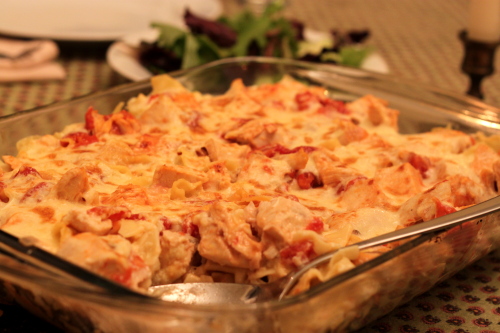
Though this preparation is not as easy as your average condensed soup-based casserole, the extra effort it requires is soon forgotten as you bite into the delicately sauced poached chicken and tender, buttery, tomato flecked noodles. It’s easy to see why it may have been a favorite of one of America’s founding fathers.

Gratin de Volaille Pavillon (Chicken and Noodles Baked in Cream Sauce)
adapted from The New York Times More 60-Minute Gourmet by Pierre Franey

Serves 6

2 cooked whole chicken breasts (see recipe for poaching chicken below, highly recommended)
12 oz (340 g) medium width egg noodles
5 tablespoons (75 g) butter, divided
3 tablespoons flour
2 cups (500 ml) chicken broth (use the broth from the poached chicken if possible)
1/2 cup (125 ml) heavy cream
salt and freshly ground black pepper
2 tablespoons shallots, finely chopped
1 ripe tomato, chopped (or 1 cup canned diced tomatoes, drained)
1 egg, lightly beaten
2 tablespoons freshly grated Parmesan cheese

Remove the chicken from the bones. Discard the skin and bones and cut the meat into 1 or 2 inch cubes. There should be about 3 cups.

Cook the noodles according to the package directions. Do not overcook. Drain the noodles. Return them to the pot and add 1 tablespoon of butter. Toss gently.

Meanwhile, melt 2 tablespoons (30 g) of butter in a saucepan and add the flour, stirring with a wire whisk. When blended, add the chicken broth, stirring rapidly. When the sauce is thickened and smooth, simmer for about 5 minutes. Add the cream and let it simmer briefly. Season to taste with salt and pepper. Set aside.

Melt 2 tablespoons (30 g) of butter in another saucepan and add the shallots. Cook briefly, stirring, then add the tomatoes and cook down for about 3 minutes. Add the chicken and salt and pepper to taste. Add 1 cup (250 ml) of the cream sauce and stir gently; set aside.

To the remaining cream sauce, add the egg. Bring to a boil stirring rapidly with a whisk. Do not overcook. Remove from the heat.

Butter a 13 x 9 inch baking pan with the remaining tablespoon (15 g) of butter. Add the noodles, and smooth them over. Spoon the chicken and sauce mixture over the noodles. Cover with the cream and egg sauce, smoothing it over. Sprinkle on the cheese. Place the dish under the broiler and cook until nicely browned and bubbling on top.

Poached Chicken

2 whole, bone-in, skin-on chicken breasts
2 cups (500 ml) water
1 cup (250 ml) dry white wine
1 small white onion, sliced
1 bay leaf
3 sprigs parsley
1 carrot, chopped
1 teaspoon salt
1/8 teaspoon pepper

Combine all the ingredients in a saucepan and bring to a boil. Cover and simmer gently for about 10 minutes. Uncover and set aside. Let the chicken cool in its own broth.

Split Pea Fritters with Indian Spiced Cauliflower and Potatoes

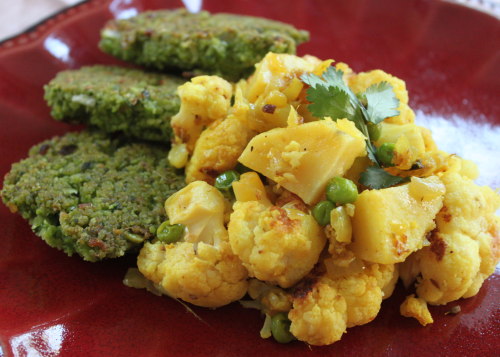
While I won’t hesitate to drop $20 on a quality chunk of dark chocolate or stinky cheese, I have a hard time passing up a good bargain. Cooking at home keeps our family’s food costs low, a fact I learned as a poor college kid developing a meal repertoire of bean burritos, fried rice, and other filling but frugal foods. Stocking up on pantry staples when they are on sale is another great cost-cutting measure. I tell you all this as way of explaining why I decided to buy 10 pounds of dried split peas during a recent shopping trip. How could I pass them up? Organic, healthy, and less than a dollar a pound. Only during the drive home did I realize that I have only used split peas in split pea soup, a soup I like but don’t particularly love. Luckily, my trusted and now worn How To Cook Everything provided an interesting alternative to split pea soup with these  fritters.

We like the split pea fritters even more than falafel, a similar but chickpea-based fritter. If you’ve ever made falafel, you know the “batter” consistency should resemble wet sand. I think they cook best in a shallow pool of hot oil. I like them served piping hot with a cool creamy sauce like lemon-cumin yogurt sauce or even a simple raita. Delicately spiced roasted cauliflower and potatoes round out the meal nicely.

Indian-Style Split Pea Fritters
adapted from How To Cook Everything: Simple Recipes for Great Food by Mark Bittman

Makes 4 to 8 appetizer servings or 2 to 4 main dish servings

1 cup (200 g) yellow or green split peas, washed and picked over
peanut or other oil as needed
1 jalapeño or other hot chile (fresh or dried), stemmed, seeded and minced, or to taste
1 1/2‑inch piece ginger, peeled and roughly chopped
1 clove garlic, minced or grated
1/2 onion, peeled and roughly chopped
1/2 cup (15 g) cilantro (some stems are OK)
1 teaspoon ground coriander
1 teaspoon ground cumin
1/2 teaspoon ground fenugreek
1/2 onion, minced
salt and freshly ground black pepper
1 to 2 tablespoons flour, if necessary
lime or lemon wedges (optional)

Soak the split peas in water to cover for at least 3 hours. Drain but leave them wet.

Place the oil, about 1/2 inch deep, in a large, deep saucepan. Instead of pan frying, you can also deep fry these in more oil (at least 3 inches deep). Heat the oil over a medium-high heat to about 365°F to 375°F.

Place the drained peas in the container of a food processor with the chile, ginger, garlic, 1/2 onion, cilantro, coriander, cumin, and fenugreek. Process until the mixture is a coarse puree — not perfectly smooth, but with no whole peas remaining. Add a couple tablespoons of water to the mixture if necessary to help the machine work. Stir in the minced onion and salt and pepper. The mixture should be fairly loose; add a little water if it is quite thick or 1 to 2 tablespoons of flour if it’s soupy. Taste and adjust the seasoning if necessary.

Drop the mixture by heaping tablespoons into the oil, but don’t crowd the pan. Cook the fritters for 2 to 3 minutes on each side or until lightly browned and crisp. Drain on paper towels. Repeat with the remaining mixture, adding (and heating) more oil to the pan if necessary. Serve the fritters hot or at room temperature with lime or lemon wedges, if desired.

***

Indian Spiced Cauliflower and Potatoes
adapted from Gourmet, February 2004

Serves 4

1 small head cauliflower, cut into 3/4‑inch-wide florets
1 lb (450 g) Yukon Gold potatoes, peeled and cut into 1/2‑inch cubes
5 tablespoons vegetable oil
1/2 teaspoon cumin seeds
3/4 teaspoon salt, divided
1 medium onion, finely chopped
2 garlic cloves, finely chopped
1 fresh jalapeño, omitting seeds for less spiciness
2 teaspoons minced peeled fresh ginger
1 teaspoon ground cumin
1/2 teaspoon ground coriander
1/2 teaspoon turmeric
1/4 teaspoon cayenne
1/2 cup (125 ml) water

Put the oven rack in the upper third of the oven and place a shallow baking pan on the rack. Preheat the oven to 475°F (240°C).

Toss the cauliflower and potatoes together in a bowl with 3 tablespoons oil, cumin seeds, and 1/4 teaspoon salt. Spread in the hot baking pan and roast, stirring occasionally, for about 20 minutes, until the cauliflower is tender and browned in spots and the potatoes are just tender.

While the vegetables are roasting, cook the onion, garlic, jalapeño, and ginger in the remaining 2 tablespoons of oil in a 12-inch heavy skillet over a moderate heat, stirring frequently, for 8 to 10 minutes, until very soft and beginning to turn golden. Add the ground cumin, coriander, turmeric, cayenne, and remaining 1/2 teaspoon salt and cook, stirring constantly, for 2 minutes. Stir in the water, scraping up any brown bits from the bottom of skillet, then stir in the roasted vegetables. Cook, covered, stirring occasionally, for 5 minutes.