Category Archives: Rice

Chicken with Rice and Basil, Buttered Spinach and Little Glazed Carrots

A few years ago, some friends gave me an Amazon gift certificate and I promptly bought the first cookbook on my wish list, A Year in My Kitchen by Skye Gyngell, which went on to be named Cookery Book of the Year by the Guild of Food Writers and the Best Food Book at Le Cordon Bleu World Food Media Awards in 2007. So when Quadrille Publishing offered me the opportunity to review her newest book, How I Cook, I jumped at the chance.
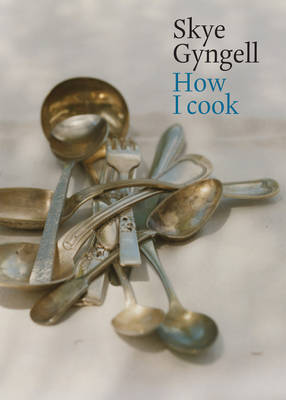
The focus of How I Cook is on home cooking, albeit with “a little finesse,” as Skye says, which is reflected in the book’s content. There are no 30-minute meals here, bur rather a sophisticated mix of everyday dishes and food for special occasions that is still achievable for home cooks. This book particularly appeals to me because of its format, which presents recipes as part of a complete menu (much like what we try to do on this blog). The book is divided into chapters — Breakfast, Sunday Lunch, Alfresco Eating, Afternoon Tea, Simple Weekday Dinner, Late Night Supper, Special Occasion and Time to Spare — and within those chapters are a series of ready-made menus. This makes it an ideal book for entertaining or for leisurely weekend cooking when you have more time to potter in the kitchen and want to make something a little more special for dinner than the usual hastily thrown together midweek pasta dish.

Skye is the head chef at Petersham Nurseries Café in Richmond, Surrey, and with fresh produce on her kitchen’s doorstep, it’s no surprise that her menus are strongly influenced by what’s in season. Skye brings together ingredients that are growing at the same time, since they often naturally complement each other. You can see this at work in combinations like the wintry Slow-roasted Pork menu, which is made up of slow-cooked belly of pork, a gratin of white beans, sauteed leeks and a fig tart. I’ve chosen the Peasant-style Supper menu from the Simple Weekday Dinner chapter to feature here, but other recipes I’ve already bookmarked to try this winter include slow-cooked shoulder of lamb with sweet paprika and chickpeas, oeufs en cocotte with spinach and Parma ham, spiced pears, and rice pudding with poached prunes.

In the introduction, Skye says, “The greatest pleasure I derive from food is cooking for loved ones … I cook for the same reason that you do — to bring joy to others — it pleases me to see people smile and laugh and feel content around a table, and I’m sure it is the same for you.” (I know it’s true for Kelly and me.) If that sentiment strikes a chord with you, then it’s worth picking up this book.

Chicken with Rice and Basil
adapted from How I Cook by Skye Gyngell

Serves 6

Skye points out that in a classic risotto, the warm stock is gradually added to the rice. Here, she has added only wine, cold and all in one go. This way, the rice takes on the flavor of the wine quite profoundly — which means it might not be suitable for young children; this might best be saved for a grown-up dinner. Skye suggests serving cheese or seasonal fruit as dessert to round off this menu.

1 large whole chicken (3 lb 5 oz/1.5 kg), preferably free-range and organic, jointed into 6 pieces
sea salt and freshly ground black pepper
2 tablespoons olive oil
1 red onion, peeled and finely sliced
2 garlic cloves, crushed
1 dried red chili (or dried chili flakes, to taste)
4 oz (100 g) risotto rice (Arborio or Carnaroli)
3 cups (750 ml) dry white wine
1 large bunch of basil
extra virgin olive oil, to drizzle

Season the chicken joints well all over with salt and pepper. Place a large flameproof casserole over a medium heat and add the olive oil. Once the oil is sizzling, brown the chicken pieces in batches, skin side down, without turning, until they are golden brown; this will take about 5 minutes. Set aside.

Pour off any excess fat, leaving a little in the casserole. Lower the heat, add the onion and sweat gently for about 10 minutes, until soft and translucent. Now add the garlic and crumble in the dried chili. Stir once or twice, then tip in the rice and toss it through.

Increase the heat slightly, pour in the wine and return the chicken to the pot. Put the lid on, turn the heat to low and cook for 20 minutes. By this time the chicken should be cooked through and the rice will have a gentle bite.

Tear the basil with your fingers and scatter over the chicken. Stir through, then taste and adjust the seasoning if necessary; it will almost certainly need more salt.

Serve in warm soup plates, drizzled with extra virgin olive oil, and with the buttered spinach and glazed carrots on the side.

***

Buttered Spinach
adapted from How I Cook by Skye Gyngell

Serves 6

14 oz (400 g) young spinach
3 tablespoons (45 g) unsalted butter
sea salt and freshly ground black pepper
1/2 teaspoon ground nutmeg, or to taste

Wash the spinach in several changes of cold water to remove all traces of dirt. Put the spinach into a medium saucepan with just the water clinging to the leaves after washing. Allow to wilt over a low heat, stirring from time to time. Once all the spinach has wilted, drain in a colander, pressing firmly with the back of a wooden spoon to remove excess water. Melt the butter in the pan, add the spinach and toss until it is really well coated. Season with salt, pepper and nutmeg to taste, then serve.

***

Little Glazed Carrots
adapted from How I Cook by Skye Gyngell

Serves 6

If you can’t find small whole carrots, you could make these sauteed carrots instead, which uses much the same method.

1 lb 2 oz (500 g) small carrots, peeled and trimmed
1 tablespoon (30 g) butter
2 teaspoons honey
1 small bunch of thyme
sea salt
handful of flat-leaf parsley, leaves only, finely chopped

Scrub or peel the carrots and trim them, leaving on a little of the green leafy tops. Place in a saucepan with the butter and honey. Pour on enough cold water to just cover the carrots and add the thyme and a good pinch of salt. Bring just to the boil, then turn down the heat to a summer and cook until just tender; this will take about 10 minutes. Discard the thyme. Now turn up the heat and boil rapidly until all the water has evaporated and the carrots are coated in a lovely shiny glaze. Serve warm, with a generous sprinkling of chopped parsley.
Oven-baked Sausage and Tomato Risotto

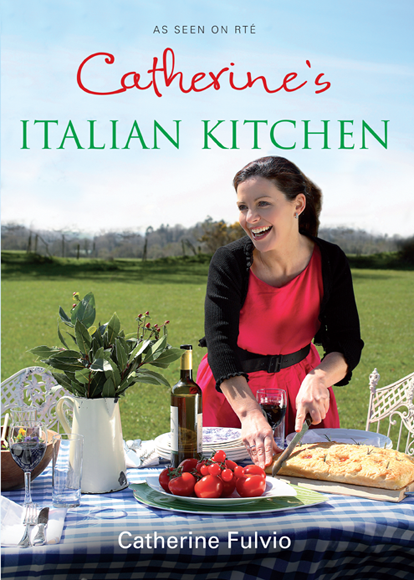
Catherine Fulvio is one busy lady these days. In addition to running Ballyknocken House and Cookery School in County Wicklow, she’s been filming her new series, Catherine’s Roman Holiday,* which premieres tomorrow in Ireland at 8:30 p.m. on RTÉ, doing cooking demos at summer festivals like Bloom and Taste of Dublin, and writing a fantastic new cookbook, Catherine’s Italian Kitchen, which was released last week.

Catherine was brought up at Ballyknocken, a traditional Irish farm that has been in her family for almost 100 years, and learned to cook from her mother by “hanging onto her apron strings.” Imbued with an appreciation of good food from an early age, the Italian twist in the tale is when she met her husband, Claudio Fulvio, who is originally from Palermo. They and their two young children now spend summers at their other home in Sicily, where Catherine is inspired by their Italian family and friends. This inspiration has translated into a cookbook full of easy and family-friendly recipes that are suitable for all levels of cook and which use ingredients that can be commonly found outside of Italy, meaning anyone can enjoy Italian flavors in their own kitchen, wherever you might be.

This oven-baked fennel sausage and tomato risotto is the first dish that jumped out at me to make, which is no surprise, seeing as how much I also like this cherry tomato and sausage bake. I particularly like this recipe since it has more vegetables than my other favorite risottos, and my kids happily devoured it. Catherine’s eggplant “meatballs” (polpette di melanzane) are already a favorite that I’ve made several times since watching her make them on her first TV series on RTÉ, and that recipe is included in her cookbook now as well. Other recipes I’ve bookmarked to try are the Leek, Gorgonzola and Walnut Pizza, Pistachio and Asparagus Penne, Braised Beef with Garlic, Lemon and Chili, and last but not least, Amaretto and Almond Truffle Tort.

We have a copy of Catherine’s Italian Kitchen to give away, so for a chance to win, just leave a comment telling us what Italian dish you’ve got a hankering for. The winner will be randomly chosen and the competition will close at midnight (US Central Time) on Friday, September 10. As Catherine would say, Buon appetito!

*You can watch sneak preview of the first show here, or even a behind-the-scenes peek at how the show was made here.

Oven-baked Sausage and Tomato Risotto
adapted from Catherine’s Italian Kitchen by Catherine Fulvio

Serves 4 to 6

The original recipe calls for Sicilian fennel sausages, but Italian sausages or good-quality butcher sausages are good substitutes. Catherine notes that this risotto won’t be creamy since there’s no constant stirring, but it’s just as delicious and is a great no-fuss weeknight option.

extra virgin olive oil
1 lb (450 g) Sicilian fennel sausages, Italian sausages or good-quality butcher sausages (I used garlic and herb)
1 onion, chopped
2 garlic cloves, finely sliced
1 3/4 cups (300 g) Arborio rice
1 carrot, finely diced
2 celery stalks, finely diced
3 tablespoons chopped fresh parsley
1 1/2 pints (750 ml) chicken stock
1 x 14 oz (400 g) can of cherry tomatoes or chopped tomatoes
1/2 cup (120 ml) dry white wine or vermouth
salt and freshly ground black pepper
Parmesan shavings, to serve

Preheat the oven to 350°F (180°C).

Heat some olive oil in a large frying pan or casserole dish over a medium heat. Cook the sausages for 15 minutes, until fully cooked. Remove from the pan and slice into bite-sized pieces. Set aside. Add the onion to the pan and saute on a low heat for 10 minutes, until lightly golden. Add the garlic and cook for 1 minute more. Add the rice, carrots, celery and parsley. Cook for 2 minutes, stirring from time to time. Return the sausages to the pan.

Meanwhile, in a separate pan, heat the chicken stock and tomatoes, then add the wine, stock and tomatoes to the casserole dish. Stir and cover with foil or a lid. Place in the oven and cook for approximately 45 minutes, until the liquid is absorbed and the rice is just tender, stirring occasionally. Sprinkle with Parmesan shavings and serve.

Salmon with Asian Slaw

After a long, hot, relaxing day at the beach, the last thing I wanted to do was turn on the oven, stand over a simmering pot, or even think much about dinner. I also needed to use up at least one of my numerous bulbs of kohlrabi. This simple yet elegant dish was the perfect solution. If you are not familiar with kohlrabi, the slaw is a nice way to try it. I prefer it in salads like this one, raw and thinly sliced. Its crunchiness holds up nicely in the vinaigrette so it can marinate for as long as you need it to without losing texture or taste. If you can’t find kohlrabi or are afraid of its UFO like appearance, celery, jicama, or even green apple could be substituted.

Salmon with Asian Slaw
serves 4

Slaw:
3 tablespoons rice vinegar
3 tablespoons sesame oil
1 tablespoon tamari or soy sauce
juice and zest of 1 lime
1 teaspoon kosher salt
1/4 teaspoon black pepper
1 kohlrabi, peeled and julienned
1 small head napa cabbage, thinly sliced crosswise to “shred”
3–5 scallions, white and green parts, chopped
1 serrano or jalapeno, thinly sliced
2 carrots, shredded
2–3 radishes, diced
1 Kirby (or 1/2 regular) cucumber, diced

Salmon:
1 tablespoon canola or grapeseed oil
4 salmon fillets (about 6 oz each)
salt and pepper, to taste
3–4 cups cooked jasmine rice

Combine the slaw ingredients in a large bowl. Feel free to add more vinegar, sesame oil, tamari, lime, salt, pepper and serrano, to taste. Sometimes I add a half cup of mayonnaise for extra creaminess. Toss the slaw gently and refrigerate for at least 30 minutes, preferably an hour.

About 15 minutes before serving, heat the oil in a large skillet over medium heat. Season the salmon with salt and pepper. Add the salmon to the hot oil and cook about 8 minutes until nicely browned. Turn the salmon over and continue cooking until cooked through, 3–5 minutes longer depending on the thickness of the fillets.

For each serving, mound rice in the center of a dinner plate. Place a salmon fillet in the center of the rice, then top with the chilled slaw.

Country Captain with Cauliflower and Peas

Last month I crammed in as much Food Network as my schedule could handle. It was my last month with cable and I was afraid of missing something important (like Jersey Shore?). We ordered cable to keep me company during my maternity leave last summer, but after Anabelle turned 9 months old and we realized we watched it only about half an hour a day, we canceled it. One of the last shows I watched was Throw Down, a Bobby Flay vehicle that is amusing mostly for its ability to knock the usually cocky Mr. Flay down a notch or two. The episode featured Mr. Flay battling the Lee brothers in a competition to see who could make the best Country Captain. Even though the show was pretty predictable (Mr. Flay usually loses), I couldn’t turn it off. I had to learn more about the silly-sounding dish.

Turns out that the dish’s anthropology is as interesting as its name. It is Indian in flavor, originated in Philadelphia in the 1800s, and is most commonly eaten in the southern United States. Some believe that a British sea captain working in the spice trade introduced it to America via the port of Savannah, Georgia. Weeks later when I saw a Country Captain recipe highlighted as Recipe of the Day on Epicurious, I had to try it out. The list of ingredients is almost as odd as its name. But never judge a recipe by its title (or ingredients list) — the dish was delicious.

Country Captain with Cauliflower and Peas
adapted from Bon Appétit, March 2010

Serves 6

1 1/2 teaspoons coriander seeds
1 teaspoon fennel seeds
1 teaspoon cumin seeds
1/2 teaspoon whole black peppercorns
3 whole cloves
1/4 teaspoon cardamom seeds
1 1/2‑inch piece of cinnamon stick
1/2 teaspoon turmeric
1/4 teaspoon (or less) cayenne pepper
5 tablespoons peanut oil or vegetable oil, divided
1 small head of cauliflower, trimmed and cut into 1‑inch florets
coarse kosher salt
2 lb (900 g) skinless, boneless chicken thighs, trimmed and cut into 1- to 2‑inch pieces
1 bunch green onions, dark green and white parts chopped separately
1 tablespoon peeled and finely grated fresh ginger
2 garlic cloves, minced
1 1/2 cups (360 ml) chicken broth
1 2/3 cups (400 ml) crushed tomatoes with added puree
1/3 cup (50 g) dried cherries, finely chopped
1 tablespoon smooth peanut butter
10 oz (280 g) frozen petite peas (do not thaw)
1/3 cup (20 g) coconut shavings, lightly toasted (optional)
cooked rice, for serving

Place the coriander seeds, fennel seeds, cumin seeds, black peppercorns, cloves, cardamom seeds, and cinnamon stick in a small, dry skillet. Stir the spices over a medium heat for 5 to 6 minutes, until fragrant and slightly darker in color. Remove the spices from the heat and allow to cool. Finely grind the spices in spice mill or in a mortar and pestle. Transfer to a small bowl and add the turmeric and cayenne.

Heat 3 tablespoons of the oil in a heavy, large, deep pot over medium-high heat. Add the cauliflower florets. Sprinkle with coarse kosher salt and saute for 6 to 7 minutes, until beginning to soften and brown in spots. Transfer to a medium bowl.

Add the remaining 2 tablespoons of oil and half the chicken to the same pot. Sprinkle with coarse kosher salt and saute for about 6 minutes, until the chicken is light brown on all sides. Transfer the chicken to a large bowl. Repeat with the remaining chicken.

Add the white parts of the green onions, the finely grated ginger, and minced garlic to the same pot. Reduce the heat to medium and saute for about 1 minute, until fragrant. Add the ground spice mixture and stir for 15 seconds. Stir in the chicken broth and bring to a boil, scraping up any browned bits. Add the crushed tomatoes, reduce the heat to medium-low, cover, and simmer for 15 minutes. Stir in the dried cherries and peanut butter. Return the chicken and any accumulated juices to the pot. Cover and simmer for 10 minutes. Add the sauteed cauliflower to the pot. Cover and simmer for about 10 minutes longer, until the chicken is cooked through and the cauliflower is tender, adding more chicken broth if the mixture is dry. Season with coarse salt and freshly ground black pepper.

DO AHEAD: Can be made 1 day ahead. Cool slightly. Chill uncovered until cold, then cover and keep refrigerated. Rewarm over medium heat before continuing.

Add the frozen peas to the stew and simmer for about 5 minutes, until heated through. Ladle the stew over rice. Sprinkle each serving with the green onion tops and toasted coconut shavings (if using).

Lemon and Pea Risotto with Parmesan Roasted Asparagus and Lemon Buttermilk Rhubarb Bundt Cake

To say my two-year-old son is a light eater is a bit of an understatement — he’s been known to go an entire weekend eating little more than a banana — but the night I made this risotto, he sat at the dinner table and practically chanted “more, more, more” in between mouthfuls and had a second helping.

As for the cake, I’d be hard pressed to think of a more perfect spring dessert than this. Light and lemony, it was still moist after three days — which is more than I can say for the overpriced “gourmet” cupcakes I bought in Dublin last week, which were so dry my children took only one bite and left the rest on the plate. My little boy might be a light eater, but he’s certainly a discerning one.

Lemon and Pea Risotto with Parmesan Roasted Asparagus
adapted from Nigella Bites by Nigella Lawson and Barefoot Contessa Family Style by Ina Garten

Serves 4

I love this lemon risotto on its own or as a springboard for adding in any number of other ingredients. Seafood is an obvious choice, and something like this roast fish wrapped in pancetta would be fantastic served alongside the risotto. I also like to serve it with grilled lemon chicken, or even leftovers from a slow roast chicken with vermouth.

These are the same flavors as in the gnocchi with peas, pancetta and lemon ricotta, so this is like a variation on that theme. If you wanted to make a little extra effort with the asparagus and aren’t concerned about the meal being vegetarian, you could omit the final sprinkle of Parmesan and wrap each stalk in a bit of Parma ham instead at the start, or perhaps simply crumble some cooked bacon or pancetta over the top of the dish for some extra flavor.

for the lemon and pea risotto:
4 tablespoons (60 g) unsalted butter
2 shallots or 1 small onion, finely chopped
1 rib celery, finely chopped
1 1/2 cups (300 g) risotto rice
1 cup (240 ml) white wine or extra-dry vermouth
approximately 1 quart (1 liter) vegetable stock
1 cup (140 g) fresh or frozen peas
zest and juice of 1/2 lemon
4 tablespoons grated Parmesan, plus extra for garnish
salt and freshly ground black pepper

for the Parmesan roasted asparagus:
1 bunch fresh asparagus
1 tablespoon good olive oil
salt and freshly ground black pepper
1/2 cup (50 g) freshly grated Parmesan

Preheat the oven to 400°F (200°C).

Heat the butter, shallots and celery in a wide, deep saucepan and cook to soften, about 5 minutes. Mix in the rice, stirring to give it a good coating of the butter. Allow it to cook for 1 or 2 minutes, until the grains of rice start to turn translucent. Add the white wine or vermouth and let it bubble away for a few minutes. Meanwhile, heat the stock in another saucepan and keep it at simmering point.

Once all the wine or vermouth has been absorbed into the rice, pour a ladleful of the stock into the rice and keep stirring until the stock is absorbed. Then add another ladleful and stir again. Continue doing this until the rice is al dente. You may not need all the stock; equally, you may need to add a bit more hot water. Don’t rush this process — allow the rice to fully absorb each ladleful of stock before adding the next one.

Meanwhile, once you’ve got the risotto going, snap off the woody ends of each asparagus stalk and discard. Lay the asparagus stalks in a single layer on a sheet pan and drizzle with olive oil, then sprinkle with salt and pepper. Roast for 15 to 20 minutes, until tender. Sprinkle with the Parmesan and return to the oven for 1 minute more, until the cheese has melted. Set aside and keep warm while you finish the risotto.

When you’ve added almost all the stock, test the rice — the risotto is ready when the rice is tender but still has a little bite. When the risotto is done, mix in the peas, lemon zest and juice and the grated Parmesan. Cook for a few more minutes, until the peas have thawed and are warmed through. Divide between 4 serving bowls or plates and top with the roasted asparagus stalks. Serve with more grated Parmesan if you wish, add seasoning to taste and serve immediately.

***

Lemon Buttermilk Rhubarb Bundt Cake
adapted from Rustic Fruit Desserts by Cory Schreiber and Julie Richardson
Serves 10 to 12

Ina Garten recommends having all your baking ingredients at room temperature, so I’ve modified the recipe slightly to add that instruction here. You really do need to have the butter softened, but if you forget to take the buttermilk and eggs out of the fridge beforehand, don’t worry about it.

for the cake: 
2 1/2 cups (300 g) plus 2 tablespoons all-purpose flour, divided
2 teaspoons baking powder
1 teaspoon salt
1 cup (225 g) unsalted butter, at room temperature
1 3/4 cups (350 g) sugar
zest of 1 lemon
3 eggs, at room temperature
1/2 teaspoon lemon extract (optional)
3/4 cup (180 ml) buttermilk, at room temperature
1 lb (450 g) rhubarb, trimmed and sliced very thin

for the lemon glaze: 
2 cups (240 g) sifted confectioners’ sugar (icing sugar), plus more if needed
juice of 1 lemon
1 tablespoon (15 g) unsalted butter, at room temperature

Preheat the oven to 350°F (180°C) and grease a 10-cup Bundt pan.

To make the cake, sift together the 2 1/2 cups (300 g) flour, baking powder and salt. Set aside. In a mixing bowl and using a hand-held mixer or a stand mixer with the paddle attachment, cream together the butter, sugar and lemon zest at medium-high speed for 3 to 5 minutes, until light and fluffy. Add the eggs one at a time, scraping down the bowl after each addition. Stir in the lemon extract, if using. Stir in the flour mixture in 3 additions, alternating with the buttermilk in 2 additions, beginning and ending with the flour mixture and scraping down the bowl occasionally. The batter will be very thick.

Toss the rhubarb with the 2 tablespoons of flour. Fold half the rhubarb into the batter and pour batter into the prepared pan. Sprinkle the remaining rhubarb on top.

Bake for 30 minutes, then rotate the pan and bake for an additional 30 minutes, or until the top of cake is firm and the center springs back when lightly touched. Cool the cake in its pan on a wire rack for 30 minutes before inverting and removing from the pan.

Meanwhile, to make the lemon glaze, whisk together the confectioners’ sugar, lemon juice and butter. The mixture should be thick. If it isn’t, add an additional 1 or 2 tablespoons confectioners’ sugar. Drizzle the glaze over the cake as soon as you remove the cake from the pan.

Covered with a cake cover or plastic wrap, the cake will keep at room temperature for 3 to 4 days.


Chicken in Tangy Escabeche of Caramelized Onions, Carrots and Jalapenos with Rice

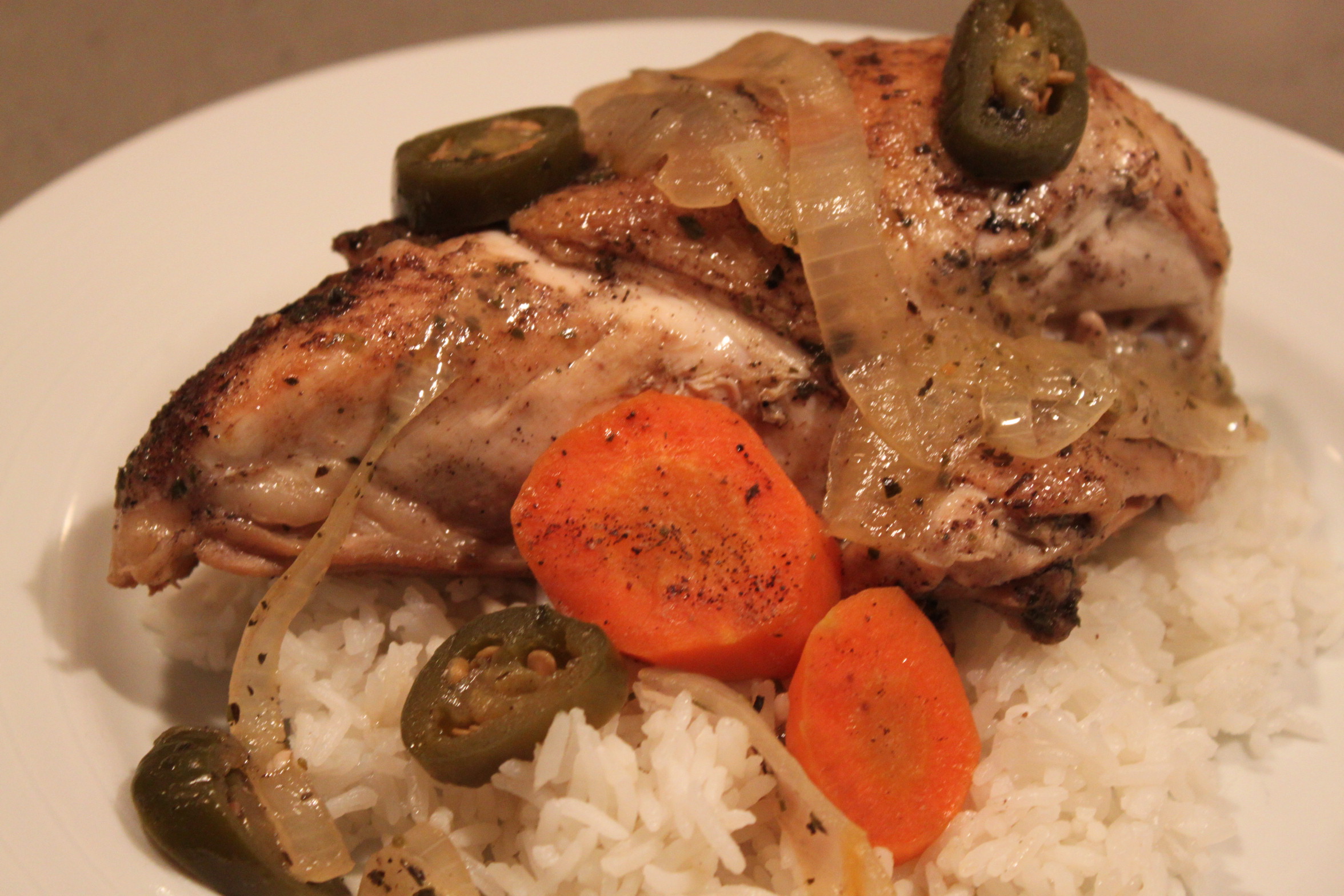
Contrary to popular (American) belief, the condiment of choice in much of Mexico isn’t salsa, but jalapenos en escabeche, which is essentially jalapenos pickled with carrots and onions. Though hesitant to abandon salsa altogether during my summer in Mexico, I grew to love the slightly tart and totally tangy bowl of escabeche vegetables served alongside every meal. A splash of the vinegar-based sauce livens up just about any cut of meat and can be used much like the sport peppers in vinegar you find on tables throughout the southern United States. The crunchy vegetables also make a great addition to dishes in need of a little texture or heat. Tonight’s Rick Bayless chicken dish draws on this classic Mexican combination, with good results. I paired the dish with white rice for a delicious dinner in less than an hour.

Chicken in Tangy Escabeche of Caramelized Onions, Carrots and Jalapenos
adapted from Mexican Everyday by Rick Bayless

Serves 4 to 6

1 teaspoon ground black pepper
1/2 teaspoon ground allspice
2 teaspoons dried oregano, preferably Mexican
1 teaspoon salt
2 lb (900 g) chicken breast halves, bones and skin intact
2 tablespoons vegetable or olive oil
1 large white onion, cut into 1/4‑inch slices
2 large carrots, peeled and sliced 1/4‑inch thick on a diagonal
4 garlic cloves, peeled and halved
1/4 cup (60 ml)  vinegar (apple cider vinegar is traditional)
2 to 4 canned pickled jalapenos, stemmed, seeded and thinly sliced [Note: I used pre-sliced pickled jalapenos]
1 cup (240 ml) chicken broth

In a small bowl, combine the black pepper, allspice, oregano and salt. Sprinkle half of this mixture over the chicken breasts.

Heat the oil in a very large (12-inch) skillet over medium heat. Lay in the chicken, skin side down, and cook for 3 to 4 minutes on each side, turning once, until richly browned. Remove the chicken to a plate, leaving behind as much oil as possible.

Add the sliced onion and carrots to the skillet and cook, stirring regularly, until the onion is browned, abut 7 minutes. Add the garlic and stir for about 1 minute, then add the remaining seasoning mixture, the vinegar, jalapenos and broth.

Nestle the chicken pieces skin side up in the onion mixture, cover the skillet (a cookie sheet works if your skillet doesn’t have a lid) and simmer gently over a medium-low heat until the chicken is just cooked through, about 15 minutes. Taste the broth and season with additional salt if you think it’s needed. Transfer a piece of chicken to each dinner plate, spooning a generous portion of the juicy vegetable mixture over the top.

Red Chile Chicken and Rice with Black Beans

It’s not for nothing that rice and beans is such a staple dish in so many parts of the world (Kelly has already written about this here). Not only is it the ultimate budget food, but when eaten together, rice and beans form a complete protein (you could argue that the inclusion of chicken in this dish is a bit of protein overkill). It’s also wide open to interpretation — just have a look at all the variations listed in this article (or see this lentil-rice salad with chorizo). Another option would be to make this smoked paprika roasted chicken from Simply Recipes for dinner one night, then use the leftover shredded chicken in this dish the next day.

Far from being a bland, stodgy bowl of starch, this recipe is full of flavor, not least because of the whopping 2 1/2 tablespoons of ancho chile powder or smoked paprika called for. I was afraid it would be too spicy or overpowering for my small children, but they loved it. We had big bowls of it on its own as a cheap and cheerful midweek meal, but a simple salad of chopped romaine with this tangy avocado dressing or some cheese quesadillas served alongside would round things out nicely.

Red Chile Chicken and Rice with Black Beans
adapted from Mexican Everyday by Rick Bayless

Serves 4

For a vegetarian version, simply omit the chicken and only use 1 1/2 tablespoons of ancho chile powder or smoked paprika; I think next time I’ll substitute some feta cheese for the chicken. Rick Bayless says he also sometimes adds a big handful of spinach along with the green onions or herbs.

2 tablespoons vegetable or olive oil
4 skinless chicken breasts
2 1/2 tablespoons ground ancho chile powder or smoked paprika (use less if omitting the chicken; see above)
1 medium white onion, cut into 1/4‑inch pieces
1 cup (180 g) rice
4 garlic cloves, finely chopped
1 1/2 cups (360 ml) chicken (or vegetable) stock
1 teaspoon salt
1 x 14-oz (400‑g) can black beans, drained and rinsed (rinsing will keep them from making the rice sticky)
a few chopped green onions or a handful of chopped cilantro
1/2 to 1 cup (120 to 240 ml) salsa, to serve (optional)

Heat the oil in a medium-large heavy pot over a medium-high heat. Sprinkle both sides of the chicken breasts first with salt, then with 1 tablespoon (yes, tablespoon!) of the ground ancho chile powder or smoked paprika. Place them in the hot oil in a single layer (do this in two batches if need be so you don’t crowd the chicken in the pot). Brown for 2 to 3 minutes per side. Remove to a plate to cool, leaving behind as much oil as possible.

Add the onion and rice to the pot. Stir for a few minutes, until the rice turns opaque. Add the garlic and the remaining 1 1/2 tablespoons (again, that’s not a typo) ancho chile powder or smoked paprika and cook for 1 minute. Add the stock and salt (use less salt if your stock is already quite salty). Stir well. When the mixture comes to a boil, reduce the heat to medium-low and cover the pot. Cook for 10 minutes.

Meanwhile, cut the chicken breasts into 1‑inch cubes. Uncover the pot and add the chicken and black beans. Re-cover and cook for 12 minutes longer. (Note: I found that my rice didn’t need this much time to cook, so just keep a close eye on it, test it and use your judgment.)

Uncover, sprinkle on the green onions or cilantro and test a grain of rice: it should have no more than a hint of chalkiness in the center; if it’s still too firm, cook for another 5 minutes or so. Otherwise, simply re-cover the pot, remove it from the heat and let it stand for 5 to 10 minutes to finish cooking the rice in its own trapped steam. Fluff the rice mixture with a fork and serve with the salsa on the side.

Jambalaya with Shrimp and Ham with Toasted Garlic Kale

In celebration of Mardi Gras, Reuben cooked up a great pot of jambalaya. Out of the million and one versions of this classic Cajun cuisine, this one is my favorite. It’s low fat, cooks in one pot, and is a great way to use up leftover ham. The kale provides a burst of color and an extra serving of vegetables — very needed in my household as we struggle through the recent exchange of sicknesses between the kids. Much to our surprise, our 8‑month-old devoured her kale. Pretty impressive, Anabelle, but you’re still too young for beads.

Jambalaya with Shrimp and Ham
adapted from Ellie Krieger

Serves 4

1 tablespoon olive oil
1 large onion, diced
1 red bell pepper, diced
1 green bell pepper, diced
2 cloves garlic, minced
1/2 teaspoon salt, plus more, to taste
1/4 teaspoon freshly ground black pepper, plus more, to taste
1 teaspoon paprika
1/2 teaspoon dried oregano
1/2 teaspoon dried thyme
1 bay leaf
1/4 teaspoon cayenne pepper
1 tablespoon tomato paste
6 oz (170 g) diced, smoked ham
2 1/2 cups (600 ml) low sodium chicken broth
1 x 14-oz (400‑g) can diced tomatoes
1 cup (180 g) uncooked long-grain white rice
1 lb (450 g) peeled and deveined medium shrimp (tail-on preferred)
hot pepper sauce

Heat the oil in a large Dutch oven over a medium heat. Add the onion, peppers and garlic and saute until they begin to soften, about 10 minutes. Mix in the next 11 ingredients (salt through the diced tomatoes). Bring to a boil. Stir in the rice, cover, reduce heat and simmer for about 20 minutes, or until rice is done and most of the liquid is absorbed. Add the shrimp and cook, covered, for 5 minutes more, or until shrimp is cooked through. Season with salt and pepper, to taste. Serve with hot pepper sauce.

***

Toasted Garlic Kale

Serves 2 to 3

1 bunch kale, washed and roughly chopped
3 tablespoons olive oil
2 cloves garlic, minced

Bring a large pot of water to a boil. Salt the water as you would for cooking pasta. Add the chopped kale and simmer for 4 to 5 minutes, until the kale turns bright green. Immediately drain the kale and rinse with cold water.

In a large saute pan, heat the olive oil over a medium heat but do not let the oil smoke. Add the garlic and saute, stirring frequently, until the garlic just begins to turn golden. Add the drained kale to the oil and garlic, lower the heat, and saute until the kale is tender. Season to taste with salt and pepper.