Category Archives: Bread

Carrot and Cilantro Soup with Brown Bread and Plum Oat Slices

Back in the days before I used to cook, we would often buy a carton of Avonmore ready-made carrot and coriander soup. I can’t think why now, seeing how easy this is to make. Pair the soup with a good-quality brown bread from the bakery along with a dessert that Delia Smith says is so easy even children can make it, and you have a quick midweek meal.

carrot and cilantro soup

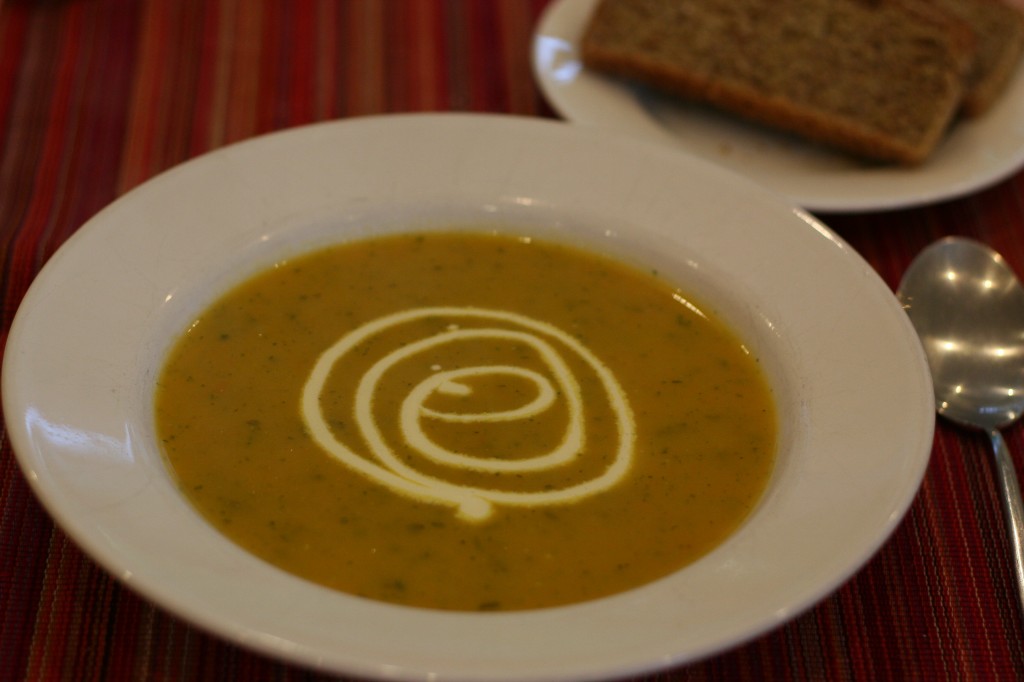
Carrot and Cilantro Soup

Serves 4 to 6

2 tablespoons olive oil
1 white onion, roughly chopped
1 1/2 lb (680 g) carrots, peeled and roughly chopped
1 large potato, peeled and roughly chopped
4 to 6 cups (1 to 1.4 liters) vegetable stock
1 bunch cilantro
salt and freshly ground black pepper
cream, to garnish (optional)

Heat the olive oil in a large stockpot on a low to medium heat. Add the onions and sweat them, covered, for 10 minutes, until soft but not browned. Add the carrots and potatoes to the pot, give everything a good stir to coat in the oil, and sweat for another 10 minutes. Add 4 cups (1 liter) of the vegetable stock and bring to a boil. Lower the heat to a summer and cook until all the vegetables are soft, about 15 minutes. Take the pot off the heat.

Add the cilantro to the soup, including the stems. Puree the soup in a blender or food processor or with a hand-held immersion blender, until smooth. Add the soup back to the pot, reheat it and season to taste. Add more stock if you think the soup is too thick (I wound up using 5 cups (1.2 liters) of stock). Add a swirl of cream to each portion of soup and serve.

***

Plum and Cinnamon Oat Slices
adapted from How to Cook: Book Two by Delia Smith

Makes 15 bars

1 lb (450 g) plums, halved and cut into thin slices
1 rounded teaspoon ground cinnamon
2 cups (160 g) porridge oats
1 3/4 cups (280 g) plain wholemeal flour
1 level teaspoon salt
1 cup (225 g) butter
3/4 cup (120 g) light brown sugar

You will also need a nonstick baking tin measuring 10 x 6 inches and 1 inch deep, lightly greased.

Preheat the oven to 400°F (200°C).

Place the plum slices in a bowl and toss them around with the cinnamon. In a separate bowl, mix the flour, oats and salt together. Melt the butter and sugar in a small saucepan over a fairly gentle heat, stirring from time to time until the butter has melted. Mix the melted butter and sugar with the oat mixture, starting with a wooden spoon but finishing off with your hands so you end up with a lump of dough. Now halve the dough and press one half of the mixture into the baking tin, pressing it firmly all over the base with your hands like a wall-to-wall carpet. Next scatter the plums evenly over the surface, then top with the remaining oat mixture, again pressing down firmly.
Place the tin on the centre shelf of the oven and bake for 25 to 30 minutes, or a bit longer if you like the top really crispy. Remove the tin from the oven and allow to cool for about 10 minutes before marking into 15 squares – to do this, make 2 cuts lengthways, then 4 cuts widthways, and don’t worry if they’re not all even. Unless you want to serve these warm, leave them to cool completely in the tin.

Chicken a la Veracruzana and Barm Brack

I have a friend who used to work in the famous Bewley’s Cafe on Grafton Street in Dublin. She told me once about about the letters they got around this time of year, usually from tourists who had bought a loaf of barm brack in the store to take back home with them. The people writing the letters were concerned that they’d found a ring in their bread, with one person saying they’d had it appraised, and another one joking that they were relieved they hadn’t also found the finger that came with the ring. Most people sent the ring back.

They obviously didn’t know just what they’d bought. Barm brack (or báirín breac in Irish, from báirín, a loaf, and breac, speckled, due to the raisins in it) is a traditional Halloween treat, falling somewhere in between regular bread and cake. What makes it special is the ring and coin that are usually baked into the bread, turning it into a bit of a fortune-telling game: whoever gets the coin will be rich, and whoever gets the ring will be married within the year. Who knows what chances for love those well-meaning tourists sent back?

barm brack ring

This is the ring that came in the store-bought barm brack I bought last year (oh, those chubby, dimpled little toddler hands get me every time). But after making my own this year and seeing how quick and easy it is, we’ll only be having homemade brack from now on.

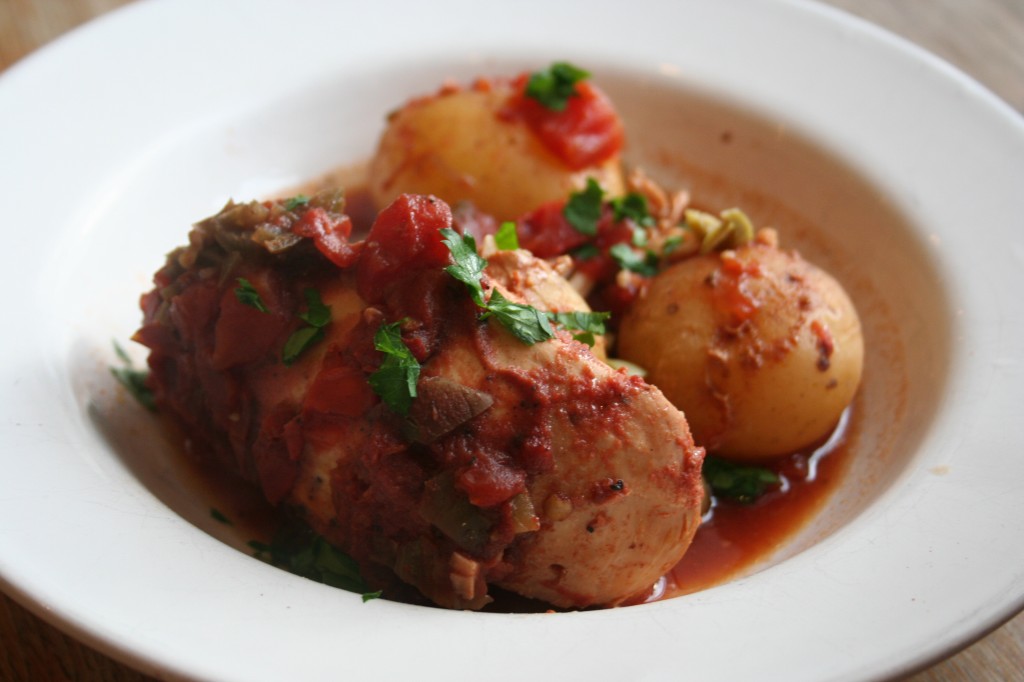
Chicken a la Veracruzana
adapted from Mexican Everyday by Rick Bayless

Serves 6

Rick Bayless suggests using 2 lb (900 g) of pork shoulder or beef chuck, cut into 1‑inch cubes, in place of the chicken. If using pork, he recommends replacing the potatoes with sweet potatoes cut into 1/2‑inch cubes. If using beef, try quartered sweet turnips, cubed carrots or peeled, cubed yuca. Chicken a la Veracruzana can also be used as a soft taco filling — just shred the chicken and stir it into the sauce with the olive and parsley and smash the potatoes into smaller pieces (this is how I served this meal to my kids, with a little grated Cheddar cheese too).

1 lb (450 g) new potatoes (or you could cut 4 medium potatoes into wedges)
6 boneless, skinless chicken breasts
1 x 28-oz (or 2 x 14-oz/400‑g) can diced tomatoes (preferably fire roasted), drained
4 to 6 canned pickled jalapeños, stemmed, deseeded and cut into strips
3 cloves garlic, finely chopped
2 tablespoons Worcestershire sauce
1/8 teaspoon dried thyme
1/8 teaspoon ground cloves
1/4 teaspoon ground cinnamon
1 teaspoon salt
1/2 cup (100 g) coarsely chopped green olives
1/4 cup (loosely packed) (10 g) roughly chopped flat-leaf parsley

Place the potatoes over the bottom of a slow cooker and put the chicken breasts over the potatoes. In a medium bowl, mix together the drained tomatoes, jalapenos, garlic, Worcestershire, thyme, cloves, cinnamon and salt. Pour the sauce evenly over the chicken. Set the lid in place and cook on high for 6 hours (the dish can hold on the slow cooker’s “keep warm” function for 4 more hours or so).

Carefully transfer a chicken breast and a portion of potatoes to each of 6 dinner plates, leaving as much sauce behind as possible. Mix the olives and parsley into the sauce, then taste and season with more salt if it needs it. Spoon the sauce over the chicken and potatoes and serve.

No slow cooker?
Put the chicken in a medium-large heavy pot, preferably a Dutch oven, and top with the potatoes. Cover with the sauce, set the lid in place and braise at 300°F (150°C) for 2 to 2 1/2 hours, until the chicken is completely tender. Complete the dish as described above.

chicken a la veracruzana

***

Barm Brack
adapted from Good Food Channel

Makes 1 loaf

If you want to include the traditional coin and/or ring, wrap them up well in greaseproof paper before adding them to the batter. You’d probably better wash the coin beforehand too. You can also make a yeasted version of barm brack, but you can’t beat this recipe if you want something quick and easy — it takes 10 minutes to make. If you want to elevate brack into a dessert, try this recipe for toffee apples on sugar-glazed barm brack.

3/4 cup (120 g) dark brown sugar
1 1/4 cups (300 ml) strong black tea
2 cups (320 g) raisins
2 tablespoons mixed candied peel
1 egg, beaten
2 cups (240 g) flour
1 heaped teaspoon baking powder
1/2 teaspoon cinnamon
1/4 teaspoon ground nutmeg

Dissolve the sugar in the tea. Add the raisins and candied peel and leave to soak overnight.

The next day, preheat the oven to 325°F (160°C). Grease an 8‑inch loaf tin or small round cake tin. Add the beaten egg to the raisins and peel as well as their soaking liquid. Sift in the flour, baking powder, cinnamon and nutmeg and stir well. Spoon the batter into the tin (add the charms now if you’re using them) and bake for 50 to 60 minutes, until a tester comes out clean. This is traditionally served toasted and buttered with a cup of tea.

Curried Parsnip and Apple Soup with Parsnip, Parmesan and Sage Bread

Smugglers Creek Inn in County Donegal is one of my favorite places to eat in Ireland. You can’t beat it in terms of location and atmosphere — dating back to 1845, this restaurant, pub and B&B is perched on a cliff overlooking Rossnowlagh beach and Donegal Bay, with the Bluestack Mountains in the distance. If you’re really lucky, you can nab one of the chairs in front of the open fire in the pub and settle in to have a pint before dinner. The restaurant specializes in seafood, but I still remember the curried parsnip and apple soup Matt ordered the first time we went there. I probably played it safe and ordered seafood chowder, thinking a parsnip and apple soup sounded odd, not to mention a curried one at that. But it was outstanding, and I’ve been making it myself at home ever since. Paired with this bread, it’s one of our favorite fall dinners, and is always one of the first soups I make once the weather turns cool.

Curried Parsnip and Apple Soup

Serves 4

4 tablespoons (60 g) butter
1 onion, chopped
1 teaspoon fresh root ginger, chopped (optional)
1 heaped teaspoon Thai green curry paste (or 1 tablespoon curry powder)
1/2 teaspoon ground cumin
1 lb (450 g) parsnips, peeled and chopped (1 or 2 parsnips, depending on size)
2 Granny Smith apples, peeled and chopped
1 medium potato, peeled and chopped
1 3/4 pints (1 liter) vegetable stock
salt and freshly ground black pepper
1/2 cup (120 ml) plain yogurt or crème fraîche, to serve

Melt the butter in a pot, then add the onion, ginger, curry paste and cumin, cooking until the onions turn yellow, about 4 minutes. Add the parsnips, apple and potato and stir over a medium heat to coat the vegetables. Add the stock and bring to the boil, then cover and simmer for 30 minutes. Puree in a blender or food processor, then return to the pot and season to taste. To serve, ladle the soup into a bowl and swirl in a spoonful of yogurt or crème fraîche.

***

Parsnip, Parmesan and Sage Bread
from Delia’s How to Cook: Book One by Delia Smith

Makes 1 loaf

If you want to serve this with the curried parsnip and apple soup and are worried the sage won’t compliment the soup, just leave it out (though I don’t mind it).

2 cups (240 g) self-raising flour
1 1/2 teaspoons salt
6 oz (170 g) parsnips (peeled weight, about 1 big parsnip)
2 oz (60 g) Parmesan, cut into 1/4‑inch cubes, plus extra shavings for the topping
1 rounded tablespoon chopped fresh sage (or 1 teaspoon dried)
2 large eggs
1 tablespoon milk
olive oil, for drizzling

Preheat the oven to 375°F (190°C). Line a baking sheet with parchment paper (or grease it very well) and set aside.

Sift the flour and salt into a large, roomy bowl, then put a grater directly in the bowl and coarsely grate the parsnips into the flour, then toss them around. After that, add the cubes of Parmesan and chopped sage and toss that in. Now lightly beat the eggs and milk together, then add this to the bowl a little at a time, mixing evenly with a wooden spoon. What you should end up with is a rough, rather loose, sticky dough, so don’t worry what it looks like at this stage. Transfer this to the baking sheet and pat it gently into a 6‑inch rough round, then make a cross on top with the blunt side of a knife. Now scatter the Parmesan shavings over the surface, followed by a sprinkling of flour. Finally, drizzle with just a little bit of olive oil.

Bake for 45 to 50 minutes, by which time it will be golden and crusty. Allow to cool on a wire rack. Serve while it’s still warm or reheat it later.

Linguini with Braised Kale and Parmesan Garlic Bread

Greens seem to be the outcasts of the vegetable world, like the shy kids parents have to coax their own children into playing with. Why is this? Sure, spinach is common enough, but why don’t Swiss chard or kale feature more, especially considering how pretty rainbow chard is, or even kale, with its frilly-edged leaves that always make me think of Elizabethan ruffs? I suspect it might be because of a perceived lack of good, innovative recipes that use them.

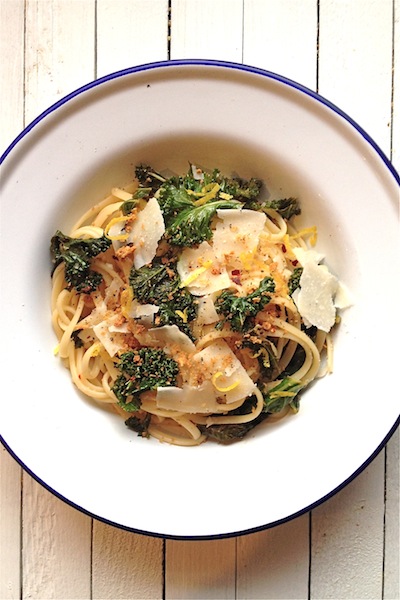
I originally got the idea for this recipe after reading Molly Wizenberg’s (a.k.a. Orangette) October column in Bon Appétit, but it sounded a bit plain to me and I wanted to kick up the flavor. Then I remembered reading a recipe for braised kale in the July/August issue of Jamie Oliver’s new magazine, which included anchovies (another much-maligned ingredient), white wine and lemon. And last week I got the idea of adding the toasted breadcrumbs from the linguini with breadcrumbs and kale recipe that won the greens contest at Food 52. When I merged all three recipes together, it made for a fabulous dish. The kale itself was so good that Matt and I went back for second helpings, pushing the pasta out of the way in the pot just to get to the greens. If you need to be cajoled into eating your greens, try this and see if you might be converted.

Linguini with Braised Kale

Serves 4

You could also make this with other greens, such as Swiss chard or spinach, or you could serve the braised kale on its own as a side dish instead of with pasta. You might notice that in the photo I used both breadcrumbs and pine nuts, but later decided that only one or the other is needed to add a little extra crunch and texture.

1 lb (450 g) kale (about 2 bunches), large center ribs and stems removed
4 tablespoons extra virgin olive oil
4 cloves garlic, chopped
8 anchovy fillets, chopped (optional)
1/2 red chili, finely chopped, or a pinch of red pepper flakes
1/3 cup (80 ml) dry white wine
zest and juice of 1 lemon
salt and freshly ground black pepper
1/2 lb (225 g) linguini or spaghetti
handful of toasted breadcrumbs or pine nuts
grated Parmesan cheese, to serve

Rinse the kale well, then cut crosswise into 1/2‑inch slices. Drain in a colander and set aside.

Heat the oil in a large frying pan over a medium-low heat. Saute the garlic, anchovies (if using) and the chili or red pepper flakes for 5 minutes, taking care not to let the garlic color. When the garlic has softened and the anchovies have dissolved, raise the heat and add the kale. Cook for a couple of minutes, until the kale starts to wilt and turn a vibrant green. Add in the wine, lemon zest and juice and salt and pepper to taste. (Try not to cook the kale too long so that it keeps its bright green color.)

Meanwhile, cook the pasta in a pot of boiling salted water according to package instructions, until al dente. Drain, reserving 1/4 cup (60 ml) of the cooking liquid. Add the cooked pasta to the kale mixture, stirring well to combine. Stir in the reserved cooking liquid.

Divide the pasta and kale between 4 serving bowls or plates. Sprinkle with the breadcrumbs or pine nuts and grated Parmesan cheese and serve right away.

***

Parmesan Garlic Bread
adapted from Real Food by Nigel Slater

6 tablespoons unsalted butter, at room temperature
1 cup (30 g) coarsely chopped flat-leaf parsley
1/2 cup (50 g) freshly grated Parmesan cheese
3 garlic cloves, minced
salt and freshly ground black pepper
1 ciabatta loaf or baguette

Preheat the oven to 425° (220°C). In a small bowl, using a spoon, mash the butter until creamy. Mix in the parsley, Parmesan cheese and garlic and season well with salt and pepper.

Slice the ciabatta or baguette in half horizontally and spread the butter on both halves. Put the halves back together and wrap the bread loosely in aluminum foil.

Bake in the middle of the oven for 5 minutes. Open the foil and bake for about 5 minutes longer, or until the top is golden and crisp. Serve hot.

Autumn Fish Stew and Date Nut Spice Bread

If I had to pick one smell that evokes my childhood, it would be potpourri. When I was growing up, my mom was into the country style of decorating, and me and my brother and sister got dragged around to the shops that sell that kind of stuff on the weekends. Those stores invariably reeked of cinnamon potpourri, and there always seemed to be a bowl of it collecting dust on a bathroom shelf in our house. Nowadays, I imagine potpourri has been replaced by Yankee Candles, which seem to be everywhere. I always laugh at the names of the candles — some of this autumn’s new scents are “Moonlight Harvest”, “Lakeside Birch” and “Farmers Market”. So what does a moonlight harvest smell like, exactly?

Still, when this date nut bread was baking, I couldn’t help but think that the people at Yankee Candle would do well to try to recreate how this smells, fresh out of the oven, with its heady autumnal mix of cinnamon, cloves, nutmeg and orange zest. While this lemon blueberry buckle was the best thing I baked this summer, I think this date nut bread will be hard to beat for the autumn. When I was urging a friend to make it last week, I wasn’t kidding when I said you’d almost want to bake this just to make your house smell good (and because it’s delicious, of course, and absolutely perfect for fall). But failing that, I’m sure there’s a suitable Yankee Candle out there — maybe “Autumn Fruit”?

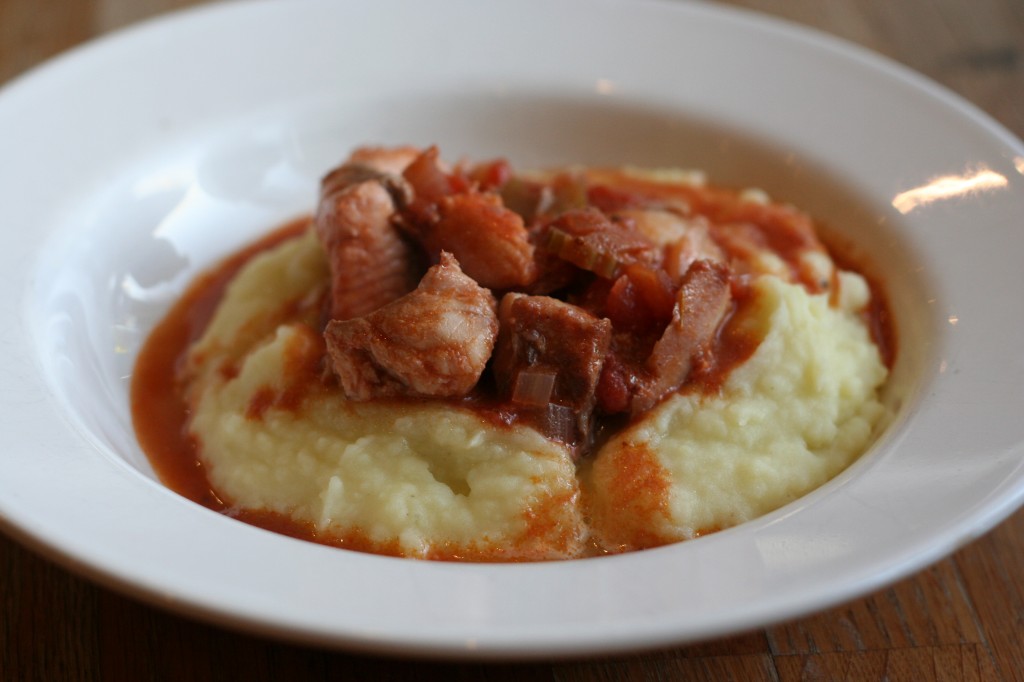
autumn fish stew

Autumn Fish Stew
adapted from Fresh from the Sea by Clodagh McKenna

Serves 4

olive oil
1 onion, diced
2 celery stalks, thinly sliced
3 garlic cloves, crushed
1 tablespoon coriander seeds, roughly crushed in a mortar and pestle
1 teaspoon ground cumin
1/2 teaspoon smoked paprika
1 bay leaf
sprig of fresh thyme
2 x 14-oz (400‑g) cans of chopped tomatoes
1/2 cup (120 ml) red wine
1 1/4 cups (300 ml) fish or vegetable stock
sea salt and freshly ground black pepper
2 1/4 lb (1 kg) mixed fish fillets, cut into small pieces
mashed potato, polenta, couscous or rice, to serve

Place a casserole dish over a medium heat and pour in a dollop of olive oil, followed by the onion and celery. Cook for 5 minutes. Add the garlic, coriander, cumin, bay leaf and thyme. Cook for a further 2 minutes. Stir in the tomatoes and leave to reduce and thicken for about 10 minutes. Pour in the wine, bring back to the boil and cook for 1 minute, followed by the stock. Season with salt and pepper and simmer for 15 to 20 minutes.

Add all the fish to the stew and stir well. Simmer gently for about 10 minutes. Serve with creamy mashed potatoes, polenta, couscous or rice.

***

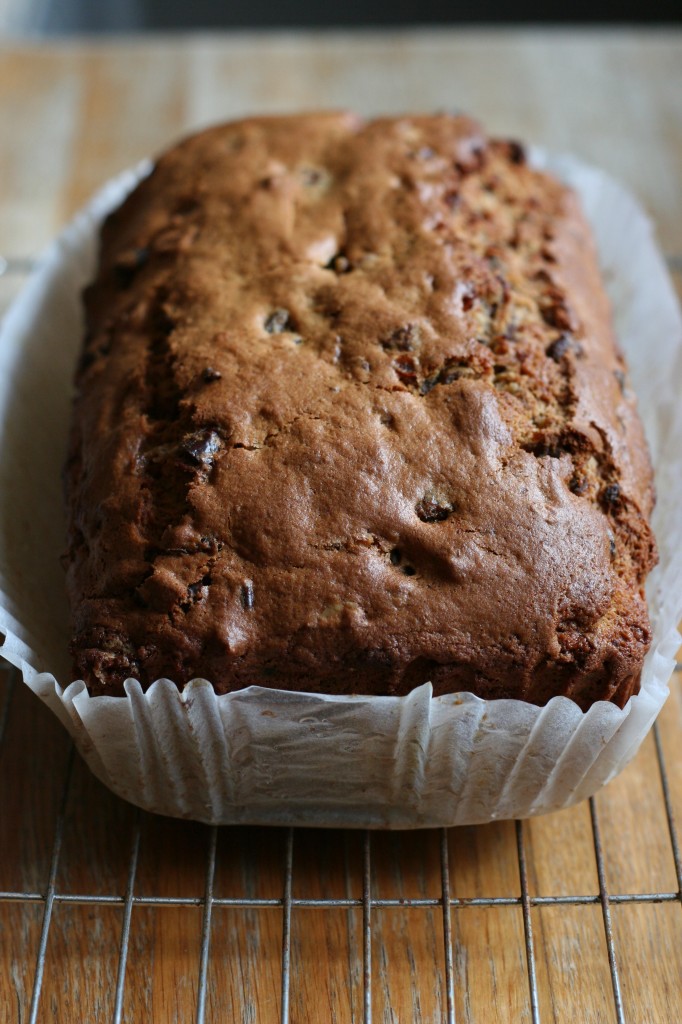
date nut spice bread

Date Nut Spice Bread
from Barefoot Contessa Back to Basics by Ina Garten

Makes 1 x 8‑inch loaf

Don’t let the “bread” in the title mislead you — this is a loaf cake, and a slice or two is perfect with a cup of tea or coffee, as a treat in a packed lunch or after-school snack, or for breakfast. Ina Garten suggests serving it with an orange zest-spiked cream cheese spread (you can find the recipe for that here), but I like this with only a bit of butter.

2 cups (280 g) pitted dates, coarsely chopped
1/3 cup (80 ml) orange liqueur (recommended: Cointreau or Triple Sec)
4 tablespoons (60 g) unsalted butter, at room temperature
3/4 cup (120 g) light brown sugar, lightly packed
1 extra-large egg
1 teaspoon pure vanilla extract
1 tablespoon grated orange zest (2 oranges)
2 cups (240 g) all-purpose flour
2 teaspoons baking powder
1/2 teaspoon baking soda
1 teaspoon ground cinnamon
1 teaspoon ground nutmeg
1/4 teaspoon ground cloves
1 teaspoon kosher salt
3/4 cup (175 ml) freshly squeezed orange juice (3 oranges)
3/4 cup (90 g) coarsely chopped pecans

Preheat the oven to 350°F (180°C). Butter the bottom of an 8 1/2 x 4 1/2 x 2 1/2‑inch loaf pan. Line the bottom with parchment paper, then butter and flour the pan.  (I just used a loaf tin liner.)

Combine the dates and orange liqueur in a small bowl and set aside for 30 minutes. Stir occasionally.

In the bowl of an electric mixer fitted with the paddle attachment or using a hand-held mixer, beat the butter and brown sugar together on medium speed for 1 minute. Scrape down the bowl. With the mixer on low, add the egg, vanilla, and orange zest.

Sift together the flour, baking powder, baking soda, cinnamon, nutmeg, cloves, and salt. With the mixer still on low, add the flour mixture alternately with the orange juice to the creamed mixture, beating only until combined. By hand, stir in the dates with their liquid, and the pecans.

Pour the batter into the prepared loaf pan and smooth the top. Bake for 50 to 60 minutes, until a toothpick comes out clean. Cool in the pan for 10 minutes, then turn out onto a wire rack and cool completely.

Bay Scallop Gratin and Buttermilk Birthday Cake with Chocolate Sour Cream Frosting

There has been no shortage of “staying in is the new going out” headlines since the recession hit last year, usually applied to statistics about fewer people going to pubs, a rise in subscriptions to online DVD rental services or a surge in sales of board games. Not surprisingly, restaurants have been particularly badly hit, with a number of high-profile cases in Ireland. But we haven’t really enjoyed going out to eat for a number of years now. Eating out in Ireland is notoriously expensive, and there’s nothing I hate more than a mediocre meal that costs nearly as much as a week’s worth of groceries and that I could make just as well or better myself. So when Matt asked me if I wanted to go out to dinner for my birthday yesterday, I said I’d rather splash out on some good-quality ingredients and make a nice dinner at home instead. And even though he kept offering to get me my favorite cake from a local patisserie or make me a birthday cake if I just gave him the recipe I wanted, I happily insisted on making it myself, since I’ve been looking forward to trying this buttermilk cake recipe since Deb at Smitten Kitchen posted it in July. I’ll definitely make it again as my go-to recipe now for a yellow cake or easy chocolate frosting, but I have to admit that it didn’t unseat Beatty’s chocolate cake as my favorite. Still, it’s good to try new things (especially cakes).

It’s National Organic Week in Ireland! Click here for a listing of events throughout the country.

Bay Scallop Gratin
adapted from Barefoot Contessa Back to Basics by Ina Garten

Serves 6

6 tablespoons (90 g) unsalted butter, at room temperature
6 large garlic cloves, minced
2 medium shallots, minced
2 oz (60 g) Parma ham or pancetta, minced
4 tablespoons minced fresh parsley, plus extra for garnish
2 tablespoons freshly squeezed lemon juice
2 tablespoons Pernod
2 teaspoons kosher salt
1 teaspoon freshly ground black pepper
6 tablespoons good olive oil
1/2 cup panko or breadcrumbs (if making your own fresh breadcrumbs, remove the crusts)
6 tablespoons dry white wine
2 lb (900 g) fresh bay scallops (or 6 scallops per person)
lemon, for garnish

Preheat the oven to 425°F (220°C). Place six 6‑inch round gratin dishes on a sheet pan.

To make the topping, place the butter in the bowl of an electric mixer fitted with the paddle attachment (you can also use a hand mixer). With the mixer on low speed, add the garlic, shallot, Parma ham or pancetta, parsley, lemon juice, Pernod, salt, and pepper and mix until combined. With the mixer still on low, add the olive oil slowly as though making mayonnaise, until combined. Fold the panko or breadcrumbs in with a rubber spatula and set aside.

Preheat the broiler, if it’s separate from your oven.

Place 1 tablespoon of the wine in the bottom of each gratin dish. With a small sharp knife, remove the white muscle and membrane from the side of each scallop and discard. Pat the scallops dry with paper towels and distribute them among the 3 dishes. Spoon the garlic butter evenly over the top of the scallops. Bake for 10 to 12 minutes, until the topping is golden and sizzling and the scallops are barely done. If you want the top crustier, place the dishes under the broiler for 2 minutes, until browned. Finish with a squeeze of fresh lemon juice and a sprinkling of chopped parsley and serve immediately with plain crusty French bread to soak up all the amazing juices.

***
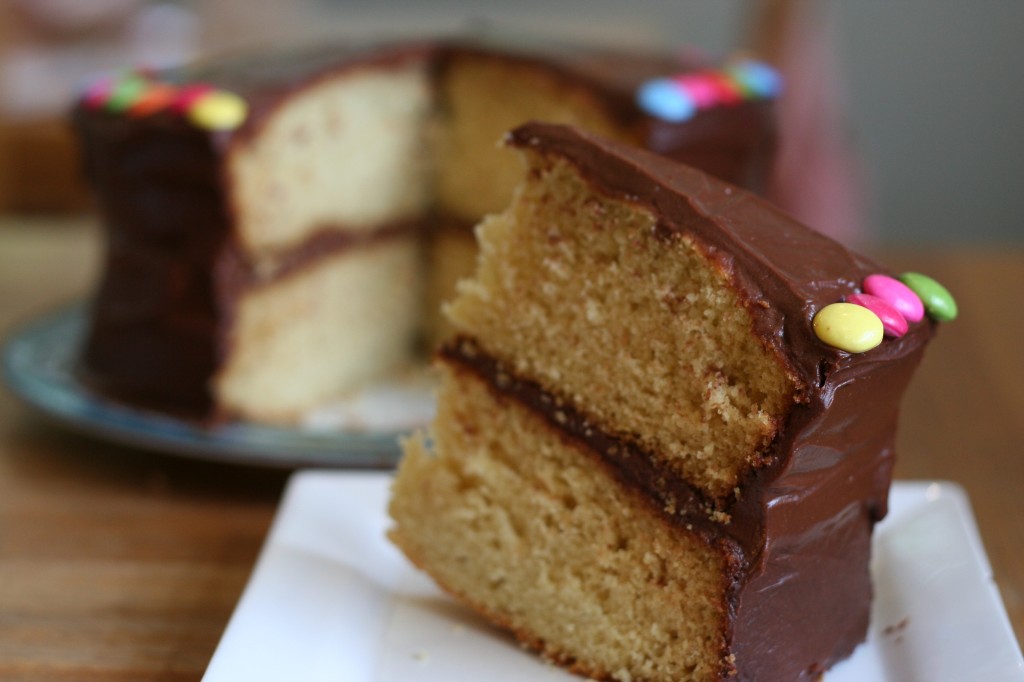
slice of buttermilk birthday cake

Buttermilk Birthday Cake with Chocolate Sour Cream Frosting
adapted from Smitten Kitchen (you can watch a video of Deb from Smitten Kitchen talking about this cake and a video of the frosting being made at GoodBite.com)

Makes two 9‑inch-round, 2‑inch-tall cake layers

4 cups (480 g) plus 2 tablespoons cake flour or, failing that, plain flour
2 teaspoons baking powder
1 1/2 teaspoons baking soda
1 teaspoon salt
1 cup (225 g) unsalted butter, softened
2 cups (400 g) sugar
2 teaspoons pure vanilla extract
4 large eggs, at room temperature
2 cups (480 ml) buttermilk, well-shaken

Preheat the oven to 350°F (180°C). Butter two 9‑inch-round cake pans and line with circles of parchment paper. (Alternately, you can use a cooking spray, either with just butter or butter and flour to speed this process up.)

Sift together the flour, baking powder, baking soda, and salt in a medium bowl. Cream the butter and sugar together in a large bowl with an electric mixer at medium speed until pale and fluffy, then beat in the vanilla. Add the eggs one at a time, beating well and scraping down the bowl after each addition. At low speed, beat in the buttermilk until just combined (the mixture will look curdled, but don’t worry). Add the flour mixture in three batches, mixing until each addition is just incorporated (don’t overmix).

Spread the batter evenly in the two cake pans, then rap the pans on the counter several times to eliminate air bubbles. Bake until golden and a wooden pick inserted in center of cake comes out clean, 35 to 40 minutes. Cool in the pan on a rack for 10 minutes, then run a knife around the edge of the pan. Invert onto the rack and discard the parchment, then cool completely, about 1 hour.

Chocolate Sour Cream Frosting

Makes 5 cups of frosting, or enough to frost and fill a two-layer 9‑inch cake

15 oz (425 g) semisweet or bittersweet chocolate, chopped
1 1/4 teaspoons instant espresso (optional)
2 1/4 cups (540 ml) sour cream, at room temperature (this is important!)
1/4 to 1/2 cup (60 to 120 ml) light corn syrup (or golden syrup)
3/4 teaspoon vanilla extract

Combine the chocolate and espresso powder, if using, in the top of a double-boiler or in a heatproof bowl over simmering water. Stir until the chocolate is melted. (Alternately, you can melt the chocolate in a microwave for 30 seconds, stirring well, and then heating in 15 second increments, stirring between each, until the chocolate is melted.) Remove from the heat and let the chocolate cool until tepid.

Whisk together the sour cream, 1/4 cup (60 ml) of the corn syrup (or golden syrup) and vanilla extract until combined. Slwoly add the tepid chocolate and stir quickly until the mixture is uniform. Taste for sweetness, and if needed, add additional corn syrup (or golden syrup) in one-tablespoon increments until the desired level of sweetness is achieved.

Let the frosting cool in the refrigerator until it’s a spreadable consistency, about 30 minutes. Should the frosting become too thick or stiff, just leave it out until it softens again.

Black Bean, Eggplant and Leek Chili with Lime Sour Cream and Honey Buttermilk Cornbread

The first cookbook I remember buying was 1,000 Vegetarian Recipes. I was in college, living in a co-op at the time, and needed something to help me cook a vegetarian dinner once a week for 40 people. I probably thought the book was a bargain — with that many recipes, there would surely be loads of veggie crowd pleasers, right? Well, let’s just say it’s no longer in my cookbook collection. The New Vegetarian Epicure was the second cookbook I bought, and has been much better loved. This is the book that taught me how to cook my first proper recipes (quinoa salads and tempeh don’t really count) and I still turn to some of them as my go-to recipes, like this one for honey buttermilk cornbread. What’s your first favorite cookbook?
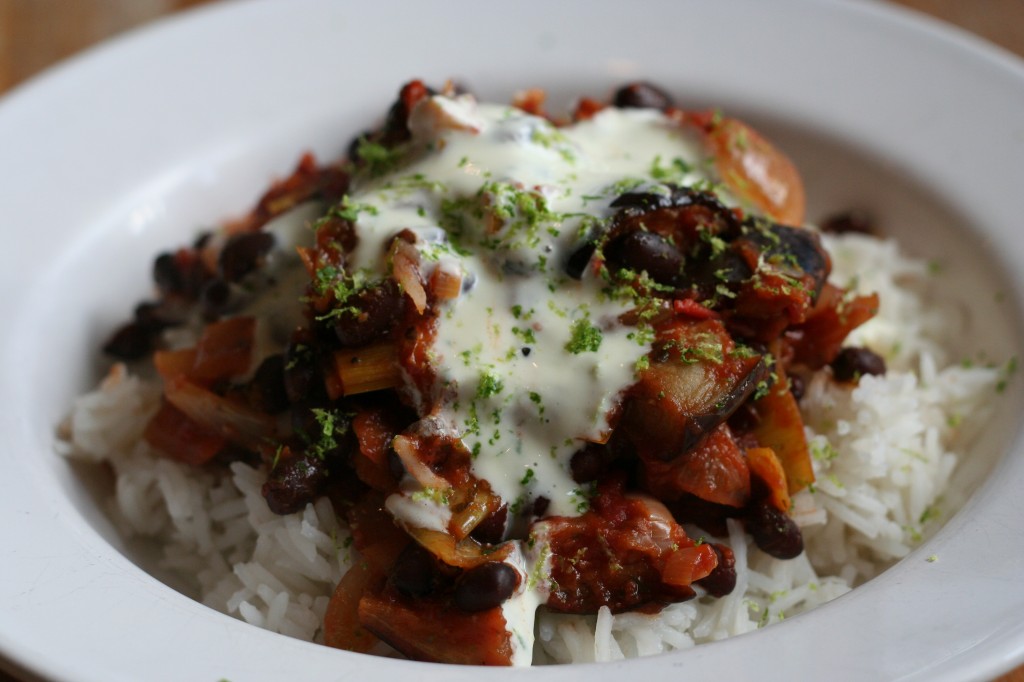
black bean, eggplant and leek chili with lime sour cream

It’s National Organic Week in Ireland. Click here for a listing of events throughout the country.

Black Bean, Eggplant and Leek Chili with Lime Sour Cream
adapted from Paradiso Seasons by Denis Cotter

Serves 4

for the chili:
7 oz (200 g) dried black beans (or 1 x 14-oz (400‑g) can of black beans)
olive oil
2 onions, finely chopped
1 large leek, chopped into chunks and washed well
3 cloves garlic, chopped
1 tablespoon ground coriander
1 tablespoon ground cumin
1 teaspoon chili powder
2 x 14-oz (400‑g) cans of chopped tomatoes
1 tablespoon tomato paste
salt and freshly ground black pepper
2 medium eggplants
1 bunch fresh cilantro (optional)
rice, to serve (optional)

for the lime sour cream:
zest and juice of 1 lime
1 cup (240 ml) sour cream or crème fraîche

Preheat the oven to 400°F (200°C).

To make the chili, soak the beans for 2 hours or overnight in cold water, then cook them in plenty of boiling water until tender (about 1 hour). Or you can skip this if you use canned beans.

Heat a little olive oil in a large pan and cook the onions and leeks for about 10 minutes, until soft. Add the garlic and spices and cook for 2 minutes before adding the tomatoes and the tomato paste. Bring the sauce to a boil, then reduce the heat and simmer for 15 minutes. Season to taste and check the spice levels —  the sauce needs to be very strongly spiced at this point, as the beans and vegetables will dilute its power.

While the sauce is cooking, chop the eggplant into large chunks, toss them in olive oil and roast them until browned and softened, about 30 minutes. Turn and toss the eggplant twice while they’re cooking.

Meanwhile, to make the lime sour cream, simply stir the lime zest and juice into the sour cream or crème fraîche.

Add the roasted eggplant and cooked beans to the sauce and simmer for 10 minutes. Stir in the fresh cilantro (if using) and check the seasoning and spicing again before serving on top of some plain boiled rice and with a dollop of the lime sour cream on top.

***

Honey Buttermilk Cornbread
from The New Vegetarian Epicure by Anna Thomas

Serves 8

1 cup (120 g) white flour
1 1/2 cups (340 g) cornmeal
1/2 teaspoon baking soda
1 teaspoon baking powder
3/4 teaspoon salt
3 large eggs
1 1/3 cups (320 ml) buttermilk
3 tablespoons honey
2 tablespoons (30 g) butter, melted

Preheat the oven to 350°F (180°C).

Sift together the flour, cornmeal, soda, baking powder and salt. In a separate bowl, whisk together the eggs, buttermilk, honey and melted butter. Combine the wet and dry ingredients, stirring gently just until the lumps are gone (don’t overmix). Pour the batter into a buttered 12 x 15-inch baking dish and bake for 30 to 35 minutes, or until a tester inserted in the center of the cornbread comes out clean. Cut into squares and serve hot or warm.