Category Archives: Vegetarian main dishes

Pumpkin and Tomato Laksa

Despite my recent cravings for hearty winter food, I’ve also been craving something with brighter flavors too. This laksa is warming and filling, and the clean flavors are a welcome respite from holiday excesses. Nigel Slater calls it a recipe to “restore and comfort.”

Pumpkin and Tomato Laksa
adapted from The Kitchen Diaries by Nigel Slater

Serves 4

1 small pumpkin or 1 butternut squash (9 oz/250 g unpeeled weight)
olive oil
salt and freshly ground black pepper
1 or 2 red chillies, chopped
4 cloves garlic, chopped
a lump of ginger the size of your thumb, peeled and chopped
zest and juice of 1 lime
1 large bunch of coriander, leaves and stems
a little vegetable oil
2 stalks of dried lemongrass
2 cups (480 ml) ml vegetable or chicken stock
1 x 14-oz (400-ml) can of coconut milk
24 cherry tomatoes
2 tablespoons nam pla (Thai fish sauce)
4 oz (110 g) dried noodles, cooked according to packet instructions
a large handful of mint leaves, chopped

Preheat the oven too 400°F (200°C). Cut the pumpkin or squash into large chunks and place on a baking tray. Drizzle with olive oil and salt and pepper, then toss well to coat all the pieces in the oil and seasoning. Roast for about 30 minutes, until tender. Set aside.

Meanwhile, to make the spice paste, put the chopped chillies, garlic and ginger into the bowl of a food processor. Add the lime zest and half the coriander leaves and stems. Blitz everything to a pulp, adding a little oil if the mixture needs it to go around.

Place a fairly deep pan over a moderate heat, add half the spice paste (keep the other half in the fridge for another time) and fry it, moving it around the pan so it doesn’t scorch. Do this for 1 to 2 minutes, then add the lemongrass stalks, pour in the stock and coconut milk and bring to the boil.

Cut the tomatoes in half, and add them with the nam pla and lime juice. They will take 7 to 10 minutes to cook. Add the chunks of pumpkin or squash and continue cooking for 1 to 2 minutes. Place a swirl of cooked noodles in each of the 4 bowls, pour over the laksa and add the mint and remaining coriander leaves.

Roasted Garlic and Pea Soup with Bacon, Onion and Thyme Bread

Everyone has a few recipes in their repertoire that they can turn to if they want something fast or cheap. This recipe is both. The only reason the soup can’t be filed as a 30-minute meal is because the garlic takes an hour to roast, but if you do that the night before you want to make the soup, then you can have this soup on the table in about 20 minutes. This bread goes perfectly with the soup, but a good store-bought focaccia, ciabatta or garlic bread would do the trick just as nicely.

Roasted Garlic and Pea Soup
adapted from Real Food by Nigel Slater

Serves 2 to 3

1 head of garlic
1 tablespoon olive oil
3 cups (420 g) frozen peas
2 tablespoons (30 g) butter
4 tablespoons freshly grated Parmesan
1 3/4 cups (420 ml) vegetable or chicken stock, heated
1 cup (240 ml) heavy cream, or to taste

Preheat the oven to 400°F (200°C). Cut the top off the head of garlic. Cut out a square of tin foil, large enough to make a baggy parcel around the garlic. Sit the garlic in the middle of the foil and drizzle with the olive oil. Make a loose parcel around the garlic, sealing the edges of the foil. Roast for about 1 hour, until soft.

Cook the peas in boiling salted water as usual. Drain and tip into a food processor or blender, then squeeze in the soft cooked cloves of garlic. Add the butter and Parmesan and half of the stock. Process to a creamy puree. Pour the mixture into a saucepan and add the remaining stock. Check the flavor and add cream to taste. Pour back into a saucepan and reheat gently. Season to taste with salt and pepper and serve.

***

Bacon, Onion and Thyme Bread
adapted from Roly’s Café and Bakery by Paul Cartwright and Paulo Tullio

Makes 2 loaves

1 tablespoon olive oil
200 g bacon, chopped
1 large onion, finely diced
750 g strong white flour
2 tablespoons (30 g) unsalted butter, softened to room temperature
25 g sugar
1 teaspoon salt
1 tablespoon chopped fresh thyme (or 1 teaspoon dried)
1 x 7‑g sachet dried yeast
(430 ml) tepid water
4 tablespoons milk
1 egg yolk
1 egg, beaten + 4 tablespoons milk, for the egg wash
pinch of sea salt, such as Maldon, to garnish

Heat the oil in a frying pan over a medium heat. Add the chopped bacon and onion and cook for about 10 minutes, until the bacon is cooked through and the onion is soft but not browned. Remove from the heat and set aside. (If the mixture looks very oily, drain with a slotted spoon.)

Using a mixer with a dough hook, sieve the flour into the bowl on the lowest speed, adding the butter, sugar and salt. Add in the bacon and onion mixture as well as the thyme.

In another bowl, mix the yeast with the water, milk and egg yolk, making sure the yeast is fully broken down. The liquid should turn a pale gray.

Gradually add the liquid into the flour, increasing the speed of the mixer until it forms a dough. This should take about 7 to 10 minutes (double the time if mixing by hand). Turn off the mixer.

Remove the dough from the bowl and divide it in half. Shape into 2 round loaves or put into 2 lightly oiled tins and place on baking trays. Brush with the egg wash and sprinkle with sea salt. Cut straight across at an angle using a sharp knife and leave in a warm place, covered with a tea towel, for about 30 to 40 minutes, until doubled in size.

Preheat the oven to 425°F (220°C).

Place in the oven and bake for 30 minutes, adding a bowl of water to the bottom of the oven to prevent a skin from forming on the bread.

Vegetarian Udon Soup, Gingered Baby Bok Choy, and Coconut Sorbet with Pineapple

I’m always pretty glum on the last CSA pickup of the season. What is there to look forward to food-wise for the next six months, except maybe a month or two of good oranges and our pork delivery? I already miss the corn, zucchini, basil and tomato overload of September. I’m fortunate that our CSA delivers through November; I like that we can eat seasonally and locally until winter begins in full force. This week’s box was filled with winter squash, celeriac root, and broccoli. To my surprise, we also received a few bunches of beautiful baby bok choy. The bright emerald green leaves and pale tender stems were almost too pretty to eat, but we had guests for dinner so I had to sacrifice them.

Dessert was almost embarrassingly simple to make, decadent tasting, and gluten-free. The coconut sorbet tasted especially nice when paired with fresh pineapple.

Vegetarian Udon Soup

Serves 4

12 oz (340 g) udon noodles
6 cups (1 1/2 liters) broth
1 teaspoon sesame oil, plus more for serving
1 tablespoon tamari or soy sauce
1‑inch piece of fresh ginger, thinly sliced
14 oz (400 g) firm tofu, diced
1 daikon, peeled and cut into thin half moons

6 oz (170 g) pea pods
1 red bell pepper, thinly sliced
4 oz (110 g) shitake, cremini, or enoki mushrooms (or 2 oz (60 g) dried shitake mushrooms, rehydrated), sliced
8 oz (225 g) spinach leaves
1 bunch scallions, thinly sliced
3 tablespoons miso paste dissolved into 1 cup (240 ml) hot water
1 carrot, shredded
Siracha hot sauce or ground dried chiles

Cook the udon in salted boiling water until tender, according to package instructions. Drain and rinse under cold water until cool.

Meanwhile, place the broth in a large pot and bring to a boil. Add the sesame oil, tamari, ginger, tofu and daikon. Simmer for 15 minutes. Stir in the pea pods, bell pepper, and mushrooms. Cook for 2 to 3 minutes, then add the spinach and scallions. Stir in the miso paste and water.

To serve, divide the udon noodles among 4 bowls. Ladle the soup over the noodles and garnish with a bit of shredded carrot. Season with more sesame oil, tamari, and siracha or ground chiles, to taste.

***

Gingered Baby Bok Choy

Serves 4

1 lb (450 g) baby bok choy
2 tablespoons peanut or canola oil
1‑inch piece of fresh ginger, grated
3 cloves garlic, minced
8 oz (225 g) mushrooms, sliced
2 tablespoons soy sauce
1 tablespoon sesame oil

Trim the stem ends off the bok choy and discard. Cut the top leaf portion from the bok choy stalk portion and set aside. Slice the bok choy stalks lengthwise into 1/2 inch-wide pieces.

Heat the oil in a wok or large saute pan over a high heat. When the oil is hot, stir in the grated ginger and minced garlic. Cook over a high heat, stirring constantly, for about 1 minute. Do not let the garlic burn. Add the stalks of the bok choy and stir-fry for 2 minutes. Add the mushrooms and soy sauce and stir-fry for another 2 minutes. Sitr in the leaf portion of the bok choy and continue to cook over a high heat, stirring constantly until the leaves are wilted. Turn off the heat and drizzle the sesame oil over the bok choy. Serve immediately.

***

Coconut Sorbet
adapted from the Blue Ginger restaurant, Wellesley, MA

Makes 1 quart (about 1 liter)

2 x 14 ‑oz (400-ml) cans coconut milk
1 cup (80 g) dessicated coconut
3/4 cup (150 g) sugar
1 pineapple, rind removed, cored, quartered and sliced into 1/2‑inch pieces

In a medium saucepan, combine the coconut milk, coconut, and sugar and bring to a boil, stirring until the sugar is completely dissolved. Remove from the heat, cool, then refrigerate until fully chilled, about 2 hours. Freeze the mixture in an ice cream maker according to the manufacturer’s directions. Serve with fresh pineapple.

Pad Thai and Banana Walnut Muffins

I’ve been known to judge Thai restaurants by the quality of their pad thai and I don’t think I’m alone. Of all the Thai dishes we Westerners enjoy, pad thai is probably the best known (i.e., most ordered). Variations run the gamut, from peanut butter-based sauces to super spicy chili-flecked noodles. I’ve tried making pad thai in the past with disappointing results. It seemed almost too hard to wade through all the variations to find a good recipe. A few things seem to be universal (rice noodles, peanuts, lime), but the true taste of pad thai, or what I wanted pad thai to be, eluded me until Reuben found this Alton Brown version. The small quantities of some of the hard-to-find ingredients may lead you to believe you don’t really need them, but trust me, you do. Somehow a couple tablespoons of dried shrimp or a few shreds of salted cabbage really make the dish what it is. And these odd ingredients all freeze or refrigerate well for several months, so they won’t go to waste.

I’ve been making the banana walnut muffins for years. They’re moist and not too sweet, with a nearly crisp top thanks to all the butter. These freeze well too. To freeze, simply cool the muffins, then drop them into a Ziploc bag. They’ll keep for up to two months. I grab a couple frozen muffins when I wake up in the morning, then by the time the kids are dropped off at school, I can leisurely enjoy the now-defrosted muffins in the car on my way to work.

Pad Thai
adapted from Alton Brown

Serves 2

1 oz (30 g) tamarind paste
3/4 cup (180 ml) boiling water
2 tablespoons fish sauce
2 tablespoons brown sugar
1 tablespoon rice wine vinegar
4 oz (110 g) rice stick noodles
8 oz (225 g) tofu, pressed and then cut into 1/2‑inch-wide strips
2 tablespoons soy sauce
2 tablespoons peanut oil
1 bunch scallions, chopped, divided
2 teaspoons minced garlic
2 eggs, beaten
1 tablespoon salted cabbage
1 tablespoon dried shrimp
3 oz (90 g) bean sprouts, divided
1/2 cup (75 g) roasted salted peanuts, chopped, divided
freshly ground dried red chili peppers, to taste
1 lime, cut into wedges

Place the tamarind paste in the boiling water and set aside while preparing the other ingredients.

Combine the fish sauce, sugar, and rice wine vinegar in a small bowl and set aside.

Place the rice stick noodles in a mixing bowl and cover with hot water. Set aside while you prepare the remaining ingredients. Once the other ingredients are measured out into separate bowls, drain the water from the noodles and set them aside.

In a small bowl, toss the tofu with the soy sauce and let it marinate.

Press the tamarind paste through a fine mesh strainer and add to the sauce. Stir to combine.

Place a wok over a high heat. Once hot, add 1 tablespoon of the peanut oil. Heat the oil until it shimmers, then add the tofu. Cook the tofu until golden brown, moving constantly, for 1 to 2 minutes. Remove the tofu from the pan to a small bowl and set aside.

If necessary, add some more peanut oil to the pan and heat until shimmering. Add two-thirds of the scallions and then the garlic. Cook for 10 to 15 seconds. Add the eggs to the pan; once the eggs begin to set up, about 15 to 20 seconds, stir to scramble. Add the remaining ingredients in the following order and toss after each addition: noodles, sauce, cabbage, shrimp, and two-thirds of the bean sprouts and peanuts. Toss everything until heated through, but no longer than 1 to 2 minutes total. Transfer to a serving dish. Garnish with the remaining scallions, bean sprouts, and peanuts. Serve immediately with the ground chili peppers and lime wedges.

***

The Palace Cafe’s Banana Walnut Muffins
adapted from The Palace Cafe

Makes 1 dozen

1 1/2 cups (180 g) all-purpose flour
3/4 cup (150 g) sugar
3/4 cup (about 3 oz/90 g) chopped walnuts
1 1/2 teaspoon baking soda
1/4 teaspoon salt
3 ripe bananas, well mashed (about 1 1/4 cup)
1/2 cup (1 stick/110 g) unsalted butter, melted and cooled
1 egg
2 1/2 tablespoons milk

Preheat the oven to 350°F (180°C). Grease 12 (1/2 cup) muffin cups or line with paper or silicone muffin liners. Mix together the flour, sugar, chopped walnuts, baking soda and salt in a large bowl. Combine the bananas, butter, egg and milk in a medium bowl. Add the banana mixture to the dry ingredients, mixing until just combined. Divide the batter among the prepared muffin cups. Bake until a tester inserted into the center of a muffin comes out clean, about 25 minutes. Serve warm or at room temperature.

Fettucine with Brussels Sprouts and Pine Nuts and Christmas Rocky Road

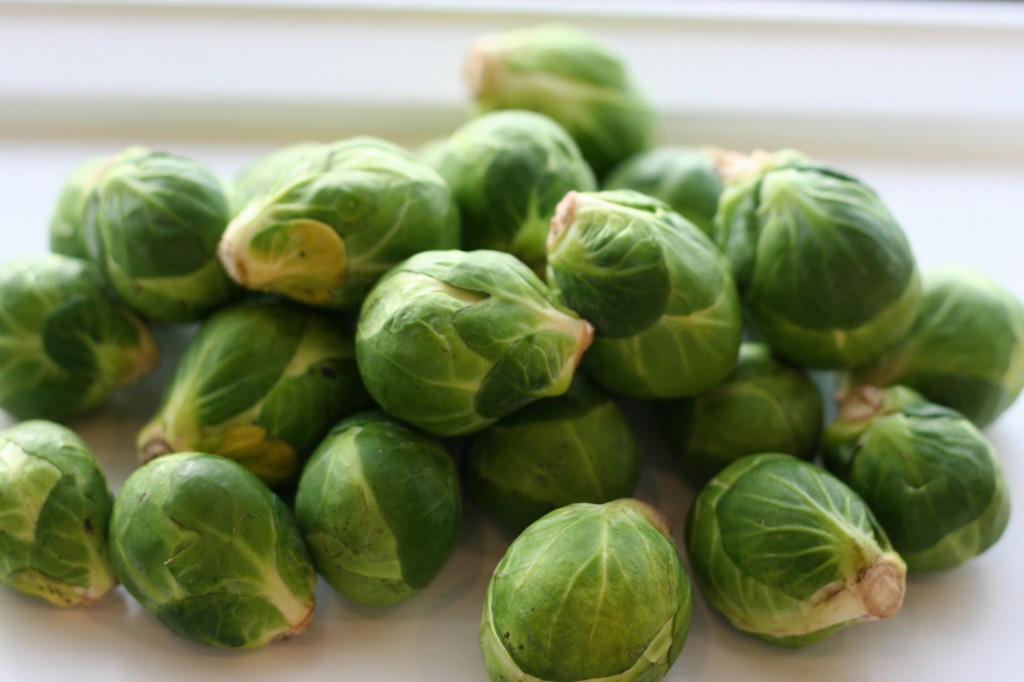
If greens are the outcasts of the vegetable world, then Brussels sprouts must be out-and-out exiles. I think they look like little alien heads, but I love how Kitchen Scraps portrays them, as Mr. B. Russell Sprout, “who lived in a red-brick townhouse on a cobblestone lane near the bank where he worked. Even the other bankers thought Mr. Sprout was an old fuddy-duddy because he always wore the same limp green tweed suit and bowler hat every day.” If they’re overcooked, they turn bitter and taste awful, which is why most people don’t like them — or just think they don’t. If cooked properly, they have a delicate nutty flavor, yet popular culture ranks them right up there with knocking back a spoonful of cod liver oil straight up. If you think you don’t like Brussels sprouts, try this recipe. And if you don’t believe me, go read some of the reviews of it here and see how many former sprouts haters were converted. I like to make this for a quick weeknight meal as soon as sprouts are in season, but especially around the holidays, on a day when you feel like you need a break from all the excess.
I have to warn you about the rocky road — you’ll find it hard to stay away from it. The first time I made it, we ate the whole pan in less than 24 hours by constantly going back for just one more little piece. As I found out the hard way last week, this isn’t the best treat to make for a play date. The kids loved it and kept sneaking pieces off the plate, but not being the daintiest eaters, their mouths and hands were quickly covered with chocolate.

IMG_0892

Fettuccine with Brussels Sprouts and Pine Nuts
adapted from Gourmet, November 2007

Serves 4

I’ve adapted this to add pancetta and a generous splash of cream. After reading the reviews on Epicurious, next time I’ll try adding some lemon zest and juice and a bit of white wine as well.

3/4 lb (340 g) Brussels sprouts, trimmed
1/2 lb (225 g) dried egg fettuccine
4 oz (110 g) pancetta or bacon (optional; omit for a vegetarian version)
2 tablespoons unsalted butter
2 tablespoons extra-virgin olive oil
3 tablespoons pine nuts
1/2 teaspoon salt
1/4 teaspoon pepper
1/4 cup (60 ml) heavy cream
plenty of freshly grated Parmesan, to serve

Slice the Brussels sprouts in a food processor fitted with the slicing disk (or else slice them very thinly by hand). Cook the fettuccine in a pasta pot of boiling salted water (3 tablespoons salt for 6 quarts water) until al dente.

Cook the pancetta or bacon until crisp. Drain on paper towels and set aside.

Heat the butter and oil in a large heavy skillet over a medium heat until the foam subsides, then cook the pine nuts, stirring, until golden, 1 to 2 minutes. Add the Brussels sprouts, salt and pepper, then saute over a medium-high heat until tender and lightly browned, about 4 minutes.

Reserve 1/2 cup (120 ml) of the pasta cooking water, then drain the pasta and add to the skillet along with the cream, tossing with enough of the reserved water to moisten. Serve with freshly grated Parmesan cheese.

***

Christmas Rocky Road
adapted from Nigella Christmas by Nigella Lawson

9 oz (250 g) dark chocolate, chopped
5 oz (150 g) milk chocolate, chopped
6 oz (175 g) butter, softened, plus extra for greasing
4 tablespoons golden syrup or light corn syrup
7 oz (200 g) amaretti biscuits, digestive biscuits or, in the States, Nilla wafers or any plain cookie
5 oz (150 g) shelled Brazil nuts
5 oz (150 g) red glacé cherries
4 oz (110 g) mini marshmallows
1 tablespoon icing sugar

Place the dark and milk chocolate pieces into a heavy-based pan. Add the butter and golden syrup and cook over a low heat to melt and combine.

Place the amaretti biscuits into a freezer bag and bash with a rolling pin to make crumbs of various sizes. (Or pulse in the food processor a few times.) Place the Brazil nuts into another freezer bag and bash in the same way.

Take the pan of melted chocolate mixture off the heat and add the crushed biscuits and nuts. Add the glacé cherries and mini marshmallows. Fold the mixture carefully to coat all of the solid ingredients with the syrupy chocolate mixture.

Pour the mixture into a 10 x 2‑inch greased and lined baking tray and smooth the surface as much as possible (although it will look bumpy). Refrigerate for 2 hours, or until firm enough to cut. Dust with icing sugar. Remove the block of rocky road from the tray and cut into 24 rectangles.

Roasted Potato Leek Soup with Irish Soda Bread

How does Ina Garten do it? She can take any recipe and somehow make it 10 times better than any other version. What’s her secret? Maybe it’s that she often roasts vegetables to bring out their natural sweetness, and she’s not afraid of butter or cream either — and lots of it. I’ve been making a potato leek soup from The New Vegetarian Epicure as my standby recipe for years, but no longer (sorry, Anna Thomas). As for the soda bread, the Avoca Café recipe here is the only one I’ve ever made. It’s so easy and foolproof — flour, baking soda, sugar, salt and buttermilk — that I doubt even the Barefoot Contessa could improve on it.

Roasted Potato Leek Soup
adapted from Barefoot Contessa Back to Basics by Ina Garten

Serves 6 to 8

Don’t worry if you can’t find any arugula (rocket), the soup would still be good without it.

2 lb (900 g) Yukon Gold potatoes, peeled and cut into 3/4‑inch chunks (or substitute any waxy or red-skinned potato)
4 leeks, white and light green parts chopped and cleaned well
1/4 cup (60 ml) good-quality olive oil
salt and freshly ground black pepper
3 cups (50 g) baby arugula, lightly packed
1/2 cup (120 ml) dry white wine, plus extra for serving
6 to 7 cups (1.4 to 1.7 liters) chicken stock (or use vegetable stock for a vegetarian version)
3/4 cup (180 ml) heavy cream
1 cup (225 g) crème fraîche
1/4 cup (25 g) freshly grated Parmesan, plus extra for garnish

Preheat the oven to 400°F (200°C).

Combine the potatoes and leeks on a sheet pan in a single layer. Add the olive oil, 1 teaspoon salt, and 1/2 teaspoon pepper and toss to coat the vegetables evenly. Roast for 40 to 45 minutes, turning them with a spatula a few times during cooking, until very tender. Add the arugula and toss to combine. Roast for 4 to 5 more minutes, until the arugula is wilted. Remove the pan from the oven and place over 2 burners. Stir in the wine and 1 cup (240 ml) of the stock and cook over a low heat, scraping up any crispy roasted bits sticking to the pan.

In batches, transfer the roasted vegetables to a food processor fitted with the steel blade, adding the pan liquid and about 5 cups (1.2 liters) of the stock to make a puree. Pour the puree into a large pot or Dutch oven. Continue to puree the vegetables in batches until they’re all done and combined in the large pot. Add enough of the remaining 1 to 2 cups (240 to 480 ml) of stock to make a thick soup. Add the cream, crème fraîche, 2 teaspoons salt, and 1 teaspoon pepper and check the seasonings.

When ready to serve, reheat the soup gently and whisk in 2 tablespoons white wine and 1/4 cup (25 g) of Parmesan. Serve hot with an extra grating of Parmesan.

***

Irish Soda Bread
adapted from Avoca Café Cookbook

Makes 1 loaf

This is the easiest bread to make, and it cooks in only half an hour. Don’t worry about its lumpy appearance — it’s meant to look that way. It’s fabulous with hearty, wintry soups, but the leftovers are equally as good for breakfast the next morning, lightly toasted and spread with jam and butter.

3 3/4 cups (450 g) plain flour
1 level teaspoon baking soda
1 teaspoon sugar
1/2 teaspoon salt
1 3/4 cups (400 ml) buttermilk

Preheat the oven to 450?F (230°C). Grease a loaf tin very well.

Mix all the dry ingredients together in a large bowl. Gradually mix in the buttermilk to make a moist dough. Place in the greased loaf tin and bake in the preheated oven for 30 minutes, until the loaf sounds hollow when turned out of the tin and tapped underneath. Place on a wire rack to cool.

White Cheddar Polenta with Sauteed Greens and Garlic-roasted Portobellos

Ever since my first try at making polenta a couple weeks ago, I’ve been craving another taste of it and wondering if it was only beginner’s luck that made it so delicious. How had I cooked on a daily basis for so many years without using this staple ingredient? Since last night was a work night, I certainly didn’t have the time to braise any meat as I did with my first polenta recipe. Instead, I found a dish that looked equally as tasty but could be cooked in half an hour. I also liked that it was vegetarian. Nobody needs to eat meat every day (that means you, Dad!). I served this with just a bottle of Malbec but next time I think a salad would be a nice accompaniment.

white cheddar polenta with roasted portabellos

White Cheddar Polenta with Sauteed Greens and Garlic-roasted Portobellos
adapted from Bon Appétit, January 2001

Serves 4

4 medium portobello mushrooms
8 cherry tomatoes, halved, or 4 plum tomatoes, quartered
5 tablespoons olive oil
4 garlic cloves, minced
1 tablespoon chopped fresh parsley
salt and freshly ground black pepper
4 cups (1 liter) water
1 1/2 teaspoons salt
1 cup (225 g) polenta (coarse cornmeal) or yellow cornmeal
2 tablespoons butter
1 cup (packed) grated sharp white cheddar cheese (about 4 oz/110 g)
1 large bunch Swiss chard, ribs cut away, leaves cut into 3 x 1‑inch strips
1 x 7‑oz (200‑g) bag fresh spinach leaves

Preheat the oven to 400°F (200°C). Oil a 13 x 9‑inch baking dish. Remove the stems from the mushrooms and chop the stems finely; place the stems in the prepared baking dish. Using a small spoon, scrape away the dark gills from the underside of the mushrooms and discard. Cut each mushroom cap into 8 wedges; add them to the baking dish with the chopped stems. Sprinkle the tomatoes around the pan and drizzle with about 3 tablespoons of oil. Sprinkle with 2 minced garlic cloves, parsley, salt and pepper on top, and toss to coat. Bake until the mushrooms are tender, 25 minutes.

Meanwhile, combine 4 cups (1 liter) of water and 1 1/2 teaspoons of salt in a large saucepan. Bring to a boil. Gradually whisk in the polenta. Reduce the heat to low. Cook until the polenta thickens and begins to pull away from sides of pan, whisking often, about 25 minutes for polenta or 15 minutes for yellow cornmeal. Whisk in the butter, then the cheese. Season to taste with salt and pepper.

While the polenta cooks, heat 2 tablespoons of oil in a large skillet over a medium-high heat. Add 2 minced garlic cloves and saute for 30 seconds. Add the Swiss chard and cook for 2 minutes. Add the spinach and saute until the greens are tender but still bright green, about 4 minutes more. Season with salt and pepper.

Spoon the polenta onto plates. Top with the greens and the portobello mushrooms mixture.

Pumpkin Seed and Panko-crusted Salmon with Quinoa-stuffed Squash

We’re still eating pumpkin seeds from last week’s Halloween pumpkin carvings. They’re a great snack when roasted and salted and also lend a nice nuttiness to savory dishes. As you can tell by the side dish, our quinoa obsession continues. This dish was tasty when paired with the salmon but would also make a lovely vegetarian main course, too. It may be my favorite quinoa dish yet.

Pumpkin Seed and Panko-crusted Salmon

Serves 6

6 x 6‑oz (170‑g) boneless salmon fillets
salt and pepper, to taste
1/2 cup (30 g) roasted and salted pumpkin seeds
1 cup (60 g) panko breadcrumbs
1/2 teaspoon dried thyme
1/2 teaspoon chili powder
2 tablespoons olive oil or melted butter
1 tablespoon mayonnaise

Preheat the oven to 425°F (220°C). Line a baking sheet with parchment paper. Lay each piece of salmon, skin side down, on the lined baking sheet and season with salt and pepper, to taste.

Process the pumpkin seeds in a food processor to a fine breadcrumb consistency. Sift the processed seeds through a large mesh strainer to remove any husks that did not process. Blend the processed seeds with the panko, spices and olive oil or butter, mixing to coat the crumbs evenly with the oil or butter.

Brush the top of each fillet with 1/2 teaspoon of mayonnaise. Spoon the pumpkin seed mixture on top of the salmon fillets, patting down to adhere the mixture to the fish. Roast in the preheated oven for about 10 minutes, until the salmon begins to flake. Remove the salmon from the oven and let rest for 5 minutes before serving.

***

Quinoa-stuffed Squash
adapted from Rare Earth Farm newsletter, October 29, 2009

Serves 6 as a side dish, 3 as a main course

3 carnival or acorn squash
3 tablespoons olive oil, divided
salt and freshly ground black pepper, to taste
1 1/2 cups (350 ml) broth
1 cup (170 g) quinoa, rinsed
1/2 cup (60 g) raisins
1/2 cup (50 g) slivered almonds, lightly toasted
1 onion, minced
1/2 teaspoon cinnamon (or 1 cinnamon stick)
1 cup (110 g) shredded Gruyere cheese

Preheat the oven to 375°F (190°C). Cut the squash in half and remove the seeds. (I use a grapefruit spoon to easily remove the seeds and membranes.) Coat the inside of each squash half lightly, using about 2 tablespoons of olive oil. Season the squash with salt and pepper. Put the squash in a roasting pan, cut side down, and fill the pan with 1/4 inch of water. Roast the squash for 25 to 30 minutes, until just tender.

While the squash roasts, heat the broth to a boil, then stir in the quinoa and raisins and cook, covered, until the broth is absorbed. The quinoa will be al dente, not soft. While the quinoa cooks, toast the almonds in a small skillet. Pour the almonds onto a plate to cool. Saute the onion along with the cinnamon in the same skillet for about 10 minutes, until translucent. When the quinoa is done, mix in the almonds and half the cheese, and the onions. The squash should be nearly done at this point — a knife should enter the flesh easily and the water should have evaporated. Remove the roasting pan from the oven and fill each squash half with the quinoa stuffing. Top each half with the remaining cheese. Bake for 5 minutes, until the cheese melts.