Sweet Potato, Rutabaga and Bacon Soup with Buttermilk Cheddar Biscuits

There are lots of differences between British English and American English, both big and small. There’s that whole thing about spelling things with ‑our instead of ‑or, like colour and neighbour, or using ‑re at the end of a word instead of ‑er, like centre or theatre. (Growing up in suburban Illinois, whenever we saw a strip mall calling itself a ‘shopping centre,’ we’d laugh at its pretensions.) I’ve also had to learn to say petrol instead of gas, lift instead of elevator, car park instead of parking lot and now order coffee to take away instead of to go. The differences in food names are even more pronounced: aubergine instead of eggplant, courgette instead of zucchini, mangetout instead of peas, and chips instead of fries (and crisps instead of chips). But my favorite (or should I say favourite?) is rutabaga instead of swede. I always thought the word rutabaga seemed a little ludicrous, almost like a made-up word, but it actually comes from the Swedish rotabagge, which explains why it’s also called a swede, given the word’s country of origin. Whatever you want to call it, it’s an underused vegetable, often appearing in root vegetable mashes, and it’s perfect in this cheap and cheerful soup.

Bacon corn muffins, bacon, onion and thyme bread or Irish soda bread would also work well with this soup instead of the buttermilk cheddar biscuits.

Sweet Potato, Rutabaga and Bacon Soup
adapted from Healthy 1–2‑3 by Rozanne Gold

Serves 4

I threw in a parsnip because it was looking lonely in my vegetable crisper, left over from a different dinner, and it worked perfectly well with the other flavors in the soup. A small chopped onion or a couple shallots would also be good additions.

5 slices bacon (plus extra for garnish, optional)
2 large sweet potatoes (about 1 1/2 lb/680 g)
1 large rutabaga (swede) (about 1 1/2 lb/680 g)
5 cups (1.2 litres) chicken or vegetable stock or water
salt and freshly ground black pepper

Cut the bacon into bite-sized pieces. Heat a large pot. Add the bacon and fry until cooked through. Remove with a slotted spoon and drain on paper towels. Set aside. Drain off all but 1 tablespoon of the bacon fat from the pot.

Peel the sweet potatoes and rutabaga and cut into 1/2‑inch pieces (it doesn’t have to be perfect, it will all get blended later anyway). Add to the pot and cook for 5 minutes, until lightly browned. Add the water, along with some salt and pepper to taste (not too much salt, though, because of the bacon). Add the cooked bacon. Bring to a boil, then lower the heat and cover. Cook for 45 minutes, or until the vegetables are very soft.

When the vegetables are tender, puree the soup until smooth in a blender, food processor or with a hand-held immersion blender. If the soup is too thick for your liking, simply add more stock or water until it reaches the desired consistency. Ladle the soup into bowls, then, if using, crumble the reserved cooked bacon into small pieces and scatter on top.

***

Buttermilk Cheddar Biscuits
adapted from Back to Basics by Ina Garten

Makes 8 biscuits

If you have any leftover biscuits, they’re delicious reheated for breakfast the next day with some scrambled eggs.

2 cups (240 g) all-purpose flour, plus more as needed
1 tablespoon baking powder
1 1/2 teaspoons kosher salt
1 1/2 sticks (180 g) cold unsalted butter, diced
1/2 cup (120 ml) cold buttermilk, shaken
1 cold extra-large egg
1 cup (90 g) grated extra-sharp Cheddar
1 egg, beaten with 1 tablespoon water or milk
Maldon sea salt (optional)

Preheat the oven to 425°F (220°C). Line a baking tray with parchment paper.

Place the flour, baking powder, and salt in the bowl of an electric mixer fitted with the paddle attachment. With the mixer on low, add the butter and mix until the butter is the size of peas.

Combine the buttermilk and egg in a small measuring cup and beat lightly with a fork. With the mixer still on low, quickly add the buttermilk mixture to the flour mixture and mix only until moistened. In a small bowl, mix the Cheddar with small handful of flour and, with the mixer still on low, add the cheese to the dough. Mix only until roughly combined.

Dump out onto a well-floured board or counter and knead lightly about 6 times. Roll the dough out to a rectangle 10 by 5 inches. With a sharp, floured knife, cut the dough lengthwise in half and then across in quarters, making 8 rough rectangles. Transfer to the prepared baking tray. Brush the tops with the egg wash, sprinkle with salt, if using, and bake for 20 to 25 minutes, until the tops are browned and the biscuits are cooked through. Serve hot or warm.

Tzatziki Chicken with Couscous and Hummus

I really wanted to name this post Two Dip Dinner, but I couldn’t risk setting a clever title precedent. Regardless, that’s the unofficial title in my house for this kid-friendly fare. A special thank you to our friend Leah for this menu inspiration. Kristin and I have been lucky to be friends with Leah for nearly 20 years. She’s been kind enough to share some of her favorite recipes with us so we can share them with you.

Tzatziki Chicken with Couscous and Hummus
adapted from Leah’s recipe

Serves 4

1 1/2 lb (680 g) boneless skinless chicken thighs or breasts (thighs preferred)
1 teaspoon white vinegar
1/2 teaspoon sugar
1 package plain whole wheat or regular couscous (about 6 oz/170 g)
2 to 3 cups (475 to 700 ml) chicken broth or water (check couscous package for exact amount)
2 to 4 scallions
2 tablespoons olive oil

for the tzatziki sauce:
2 small cucumbers, peeled and grated, divided
2 teaspoons coarse salt, divided
2 cups plain whole milk yogurt, divided
2 small garlic cloves, minced, divided
2 teaspoons fresh lemon juice, divided
1 teaspoon dried dill, divided

You’ll be making two separate preparations out of the tzatziki sauce ingredients: a marinade and a dipping sauce. For the marinade, put half of all the sauce ingredients into a food processor and pulse until blended and runny. Pour the marinade over the chicken in a Ziploc bag or lidded container. Seal the bag or cover and marinate the chicken for up to 24 hours.

For the dipping sauce, after grating the cucumber, put it into a paper towel and squeeze dry. Stir the grated cucumber into the remaining half of the tzatziki sauce ingredients in a small bowl. Do not put this part in a food processor. Stir in the vinegar and sugar. Refrigerate for 15 minutes before serving (though the longer it can sit in the fridge to let the flavors develop, the better).

After the chicken has marinated, preheat an outdoor grill or stove-top grill pan. Lightly grease the grill. Remove any excess marinade from the chicken and place the chicken pieces onto the hot grill. Discard the marinade. Cook the chicken for 8 to 12 minutes on each side, depending on the thickness; thighs will need more time than breasts.

While the chicken cooks, make the couscous according to package directions, using the amount of chicken broth or water recommended. Fluff the couscous after it cooks and fold in the scallions and olive oil.

Serve the chicken with with couscous, tzatziki sauce, and hummus.

***

Hummus

1 small garlic clove, minced
3 tablespoons fresh lemon juice
2 tablespoons water
1 x 14-oz (400‑g) can chickpeas, drained and rinsed
3 tablespoons tahini
1 teaspoon salt
2 tablespoons olive oil

Put all the ingredients into a food processor and puree until smooth.

Moroccan Winter Squash and Carrot Stew with Quinoa and Coconut Cream Pie

My newest working mom trick is double Sunday dinner. I find that if I can make Monday night’s dinner while cleaning up Sunday night’s dinner mess, the week goes much better. I’ve tried a few make-ahead meals with mixed results; curried pork stew is great, butternut squash lasagna, not so much. This vegan stew is one of my favorite make-ahead meals yet. You certainly won’t miss the meat. A word of warning, though: when peeling the butternut squash, throw the peels in your compost or garbage can. Do not attempt to put them down your garbage disposal. Do not attempt to put them down your mother-in-law’s garbage disposal. The cost of the plumber fixing the sink takes away from the enjoyment of the meal. Trust me on this one.

Coconut cream pie has been on my mind for a long time. When I found James Peterson’s version in his new book, Baking, I had no choice but to make it. The book, by the way, is a nice compilation of recipes and techniques ranging from bread to pastries to cakes. I’m not sure it’s the “baking education” promised on its cover, but I’ve been salivating over its pictures and recipes for weeks. Despite my several adaptations (shortcuts, really), my first coconut cream pie turned out much better than any version I’ve had from a bakery. I wish I had tried it sooner.

Moroccan Winter Squash and Carrot Stew with Quinoa
adapted from Bon Appétit, January 2006

Serves 6

for the stew:
2 tablespoons olive oil
1 onion, chopped
3 garlic cloves, chopped
2 teaspoons Hungarian sweet paprika
1 teaspoon salt
1/2 teaspoon ground black pepper
1/2 teaspoon ground coriander
1/2 teaspoon ground cumin
1/2 teaspoon turmeric
1/2 teaspoon ground ginger
1/2 teaspoon cayenne pepper
1 cup (240 ml) water
1 x 14-oz (400‑g) can diced tomatoes, drained
1 butternut squash, peeled and cut into 1‑inch cubes
5 to 7 carrots, peeled and cut into 3/4‑inch cubes

for the quinoa:
1 cup (170 g) quinoa
1 tablespoon butter
1 tablespoon olive oil
1 small onion, finely chopped
1 medium carrot, peeled and finely chopped
2 garlic cloves, minced
1/2 teaspoon salt
1/2 teaspoon turmeric
2 cups (480 ml) water
1/2 cup (15 g) chopped fresh cilantro, divided

For stew: Heat the oil in a large saucepan over medium heat. Add the onion and sauté until soft, stirring often, about 5 minutes. Add the garlic and stir for 1 minute. Mix in the paprika and the next 7 ingredients. Add 1 cup (240 ml) water and the tomatoes. Bring to a boil. Add the squash and carrots. Cover and simmer over medium-low heat until the vegetables are tender, stirring occasionally, about 20 minutes. Season with salt and pepper. (Can be prepared 1 day ahead. Cover and chill.)

For quinoa: Rinse the quinoa and drain. Melt the butter with the oil in a large saucepan over medium heat. Add the onion and carrot. Cover and cook until the vegetables begin to brown, stirring often, about 10 minutes. Add the garlic, salt, and turmeric and sauté for 1 minute. Add the quinoa and stir 1 minute. Add 2 cups (480 ml) of water. Bring to a boil, then reduce the heat to medium-low. Cover and simmer until the liquid is absorbed and the quinoa is tender, about 15 minutes.

To serve, rewarm the stew and stir in half of the cilantro. Spoon the quinoa onto a platter, forming a well in the center. Spoon the stew into the well. Sprinkle with the remaining cilantro.

***

Coconut Cream Pie
adapted from Baking by James Peterson

Makes 1 pie

1 x 10-inch pie crust (homemade or Pillsbury refrigerated recommended)
2 cups (480 ml) unsweetened coconut milk (regular or light)
1 cup (240 ml) milk
1 teaspoon vanilla
2 eggs
2 egg yolks
1/2 cup (100 g) sugar plus 2 tablespoons
1/4 cup (25 g) plus 2 tablespoons cornstarch
1/2 cup (40 g) unsweetened dessicated coconut
2 cups (180 g) sweetened shredded coconut, divided
1 cup (240 ml) heavy cream

Use a 9- to 10-inch pie pan. Roll the dough into a round about two inches larger than the pie pan. Line the pie pan with the dough, fold under the excess dough and crimp the edges. Prebake the pie shell according to your recipes (or package instructions). I highly recommend lining the crust with aluminum foil and adding an inch or so of pie weights or dried beans during the first half of the baking time. This will keep the crust from shrinking, warping, and performing other unknown pastry tricks. Carefully remove the pie weights/beans and tinfoil during the last half of the baking time to allow the crust to fully cook.

Set the oven to 350°F (180°C). In a medium saucepan, bring the coconut milk and milk to a simmer with the vanilla. In a bowl, whisk together the eggs, egg yolks, 1/2 cup (100 g) of sugar, and the cornstarch until smooth. Slowly pour half of the milk into the egg mixture, stirring constantly. Pour the mixture back into the saucepan with the rest of the milk. Stir the mixture with a whisk over medium heat until it bubbles and thickens. Immediately remove it from the heat, stir until smooth and transfer to a bowl. Cover the bowl with plastic wrap and allow to cool to room temperature.

Fold the dessicated coconut and 1 cup (90 g) of the sweetened shredded coconut into the pudding and spread this mixture in the now cool pie shell. Chill for at least 1 hour.

While the pie chills, toast the remaining 1 cup (90 g) of shredded coconut in a heavy pan over medium heat, stirring occasionally until lightly browned. Pour the toasted coconut into a small bowl to cool.

Before serving, combine the heavy cream with the 2 tablespoons of sugar and beat it to stiff peaks. Spread the whipped cream over the pudding mixture, doming the cream in the center, and sprinkle the toasted coconut over it.

Coq au Vin and Gâteau au Chocolat Fondant de Nathalie

Don’t be intimidated by this post’s fancy name — I could have just called it chicken in wine and chocolate mousse cake, but where’s the fun in that? I had a Francophile friend over for lunch the other day, so decided it was as good a time as any to make the Barefoot Contessa version of coq au vin that I’ve been wanting to try. And after being very good for all of January and not baking a single thing, I undid all my efforts and made this cake. But oh, such a cake. It’s one of my top two favorite cakes (Beatty’s chocolate cake is the other). Fudgy, smooth and intense, it was worth every previously forsaken calorie.

This is a great menu for entertaining because you can make both dishes in advance. In fact, the cake gets even better after a day or two. It’s also incredibly easy to make — just melt the chocolate and butter together, then stir in all the rest of the ingredients in the same bowl (you can watch Trish Deseine herself making it to see just how easy it is). You often hear that you should use the best-quality ingredients you can find, but it’s particularly true for this cake. I used Green & Black’s organic chocolate, organic eggs and Lurpak butter from Denmark.

Ina Garten suggests serving the coq au vin with garlic mashed potatoes, but I wanted to make things easier on myself and so just served it with a good store-bought crusty bread instead. I also served a green salad with balsamic vinaigrette and a plate of Brie and Roquefort. There are few better ways to spend an afternoon than with a good friend, good conversation and a table full of good food.

Coq au Vin
adapted from Back to Basics by Ina Garten

If you can’t find frozen small whole onions and don’t want to bother with peeling small shallots, just use 2 yellow onions instead of the 1 called for at the start of the recipe. And if you don’t have a Dutch oven, simmer the coq au vin on the stovetop for 45 minutes to 1 hour instead.

2 tablespoons olive oil
4 oz (110 g) bacon or pancetta, diced
1 x 3 to 4‑lb (1.4 to 1.8 kg) chicken, cut into eighths (or use an equal weight of chicken breasts and thighs)
kosher salt and freshly ground black pepper
1/2 lb (225 g) carrots, cut diagonally in 1‑inch pieces
1 yellow onion, sliced
2 teaspoons salt
1 teaspoon freshly ground black pepper
1 teaspoon chopped garlic
1/4 cup (60 ml) Cognac or good brandy
1/2 bottle (375 ml) good dry red wine such as Burgundy
1 cup (240 ml) good-quality chicken stock
10 fresh thyme sprigs
2 tablespoons unsalted butter, at room temperature, divided
1 1/2 tablespoons all-purpose flour
1/2 lb (225 g) frozen small whole onions (or small peeled shallots*)
1/2 lb (225 g) cremini mushrooms (button mushrooms will also work fine), stems removed and thickly sliced

*Note: To peel shallots easily, drop them into a pot of boiling water for less than 1 minute. Drain, then slip off the skins.

Preheat the oven to 250°F (120°C).

Heat the olive oil in a large Dutch oven. Add the bacon and cook over medium heat for 8 to 10 minutes, until lightly browned. Remove the bacon to a plate with a slotted spoon.

Meanwhile, lay the chicken out on paper towels and pat dry. Liberally sprinkle the chicken on both sides with salt and pepper. When the bacon is removed, brown the chicken pieces in batches in a single layer for about 5 minutes, turning to brown evenly. Remove the chicken to the plate with the bacon and continue to brown until all the chicken is done. Set aside.

Add the carrots, onions, salt and pepper to the pan and cook over medium heat for 10 to 12 minutes, stirring occasionally, until the onions are lightly browned. Add the garlic and cook for 1 more minute. Add the Cognac and put the bacon, chicken, and any juices that collected on the plate into the pot. Add the wine, chicken stock, and thyme and bring to a simmer. Cover the pot with a tight-fitting lid and place in the oven for 30 to 40 minutes, until the chicken is just not pink (or simmer on the stovetop for 45 minutes to 1 hour). Remove from the oven and place on top of the stove.

Mash 1 tablespoon of butter and the flour together and stir it into the stew to thicken it. Add the frozen onions (if using peeled shallots, saute them along with the mushrooms in the next step before adding to the stew). In a medium saute pan, add the remaining 1 tablespoon of butter and cook the mushrooms over a medium-low heat for 5 to 10 minutes, until browned. Add to the stew. Bring the stew to a simmer and cook for another 10 minutes. Season to taste and serve hot.

***

Gâteau au Chocolat Fondant de Nathalie
adapted from Je veux du chocolat! by Trish Deseine (recipe via Orangette and RTÉ)

This cake is even better on the second day, so consider making it the day before serving. Molly Wizenberg at Orangette says this cake is also suitable for freezing, and even improves in texture and flavor after a week or two in the freezer.

7 oz (200 g) best-quality dark chocolate
1 tablespoon double-strength espresso or 1 teaspoon instant espresso powder (optional)
7 oz (200 g) best-quality unsalted butter, cut into 1/2‑inch cubes
1 1/4 cups (250 g) sugar
5 large eggs
1 tablespoon all-purpose flour
confectioners’ (icing) sugar, to dust (optional) (or you could use Trish’s chocolate glaze, recipe here)

Preheat the oven to 375°F (190°C) and butter and flour an 8‑inch round cake pan or springform tin (which is what I prefer, since you don’t have to turn it out).

Finely chop the chocolate and place it, along with the coffee, in a double boiler or in the microwave, stirring regularly (every 30 seconds if using a microwave). Once the chocolate has melted, add the butter, stirring until it too has melted. Add the sugar to the chocolate-butter mixture, mixing well, and set aside to cool for a few moments. Add the eggs one by one, beating well with a wooden spoon after each addition, then add the flour. The batter should be smooth and dark. If you can see fat still floating on the surface or if the mixture looks at all grainy, switch to a whisk and beat lightly until smooth.

Pour the batter into the prepared cake pan and bake for 20 to 25 minutes, until the center of the cake barely trembles when the pan is shaken (the cake should be very moist in the middle) and the top is a bit crackly looking. Let the cake cool completely in the tin before you turn it out, then revert it so that the crackly side is facing upward. Dust with icing sugar or spread with the chocolate glaze and serve at room temperature.

Green Chile Pork Tacos and Devil’s Food Cupcakes with Vanilla Buttercream Frosting

“I have a great idea, Mom.”

“What’s that, Sam?”

“I know, let’s make chocolate muffins. With whipped cream. And sprinkles.”

Some days, folks, that all the encouragement I need to grab the sugar from the cupboard and butter from the fridge. It didn’t hurt that our main course required little more than a few minutes of prep and the able assistance of my (er, Reuben’s) new slow cooker.

Green Chile Pork Tacos

Serves 6

3 lb (1.4 kg) pork shoulder, cut into 2‑inch cubes
2 tablespoons olive oil
1 large onion, chopped
1 teaspoon ground cumin
1 teaspoon dried oregano
1 cup (240 ml) chicken stock
1 x 4‑oz (110‑g) can diced green chilies
1 x 10-oz (280‑g) can Rotel tomatoes (or other diced tomatoes with green chilies)
3 cloves garlic, minced
1 teaspoon salt
1/2 teaspoon pepper
corn or flour tortillas
toppings: avocado, salsa, cheese, green onion, cilantro, pickled jalapenos, lime wedges

In a large frying pan, brown the pork cubes in the oil until they just begin to brown. Drain the meat and place into a slow cooker. Add the remaining ingredients through salt and pepper and cook on low until the pork is tender, about 8 hours. Gently shred the pork with a fork.

Warm the tortillas and serve the pork, taco-style, with desired toppings.

***

Devil’s Food Cupcakes
adapted from Alpineberry

Makes 1 dozen

1 1/2 cups (180 g) all-purpose flour
1 cup (200 g) granulated sugar
1/4 cup (30 g) unsweetened natural cocoa powder (don’t use Dutch-processed cocoa)
1 teaspoon baking soda
1/2 teaspoon salt
1 cup (240 ml) water
1/3 cup (80 ml) unflavored oil (canola, grapeseed, etc.)
1 tablespoon white or apple cider vinegar
1 teaspoon vanilla extract

Preheat the oven to 350°F (180°C). Line the wells of a standard muffin pan with paper liners.

Sift the flour, sugar, cocoa, baking soda and salt into a large mixing bowl. In another bowl, mix together the water, oil, vinegar and vanilla. Add the wet to the dry ingredients and mix until just combined and the batter is smooth. Be careful not to overmix.

Divide the cupcake batter evenly among the wells of your muffin pan. Bake for about 20 to 25 minutes, or until the cupcakes feel springy when gently pressed. Cool in the pan for 5 minutes, then gently remove the cupcakes from the pan and allow to cool fully on a wire rack.

Vanilla Buttercream Frosting
adapted from Magnolia Bakery

Makes enough for one 2‑layer 9‑inch cake or 2 dozen cupcakes [Note: I halved recipe for 1 dozen cupcakes]

1 cup (225 g) unsalted butter, softened
6 to 8 cups (720 g to 960 g) confectioners’ sugar (a.k.a. icing sugar)
1/2 cup (120 ml) milk
2 teaspoons vanilla extract

Place the butter in a large mixing bowl. Add 4 cups (480 g) of the sugar and then the milk and vanilla. On the medium speed of an electric mixer, beat until smooth and creamy, about 3 to 5 minutes. Gradually add the remaining sugar, 1 cup (120 g) at a time, beating well after each addition (about 2 minutes), until the icing is thick enough to be of good spreading consistency. You may not need to add all of the sugar. If desired, add a few drops of food coloring and mix thoroughly. Use and store the icing at room temperature because icing will set if chilled. Icing can be stored in an airtight container for up to 3 days.

Mussels, Leek and Bacon Chowder

Remember how I was saying last week that it’s worth buying a cookbook even if you only make a few recipes from it? I got Nigel Slater’s new cookbook, Tender, as a Christmas gift this year. So far I’ve only made two recipes from it — a cauliflower gratin and this chowder — and I would buy the book for these two recipes alone. Needless to say, I’m looking forward to making more. This chowder knocks the socks off any I’ve had in Smugglers Creek Inn in Co. Donegal, O’Dowd’s in Co. Galway or PJ O’Hare’s in Co. Louth, which all make excellent versions. But this isn’t for the faint-hearted or calorie-conscious (and it isn’t exactly kid-friendly either) — see that broth in the soup? It’s nothing but cream and vermouth, and it’s incredible. I mean died-and-gone-to-heaven kind of good.

Mussels, Leek and Bacon Chowder
adapted from Tender: A Cook and His Vegetable Patch by Nigel Slater

Serves 4 (or 2 very greedy people, ahem)

You could turn this into a pasta dish similar to one featured in River Café Two Easy by Rose Gray and Ruth Rogers by omitting the potatoes and using it as a sauce for 1 lb (450 g) of ditaloni or penne pasta.

3 leeks, white and light green parts only
5 oz (140 g) smoked streaky bacon
2 tablespoons (30 g) butter
2 1/4 lb (1 kg) mussels
2 glasses vermouth or white wine
1 lb (450 g) baby potatoes
7 fl oz (200 ml) heavy cream
2 bay leaves
4 sprigs fresh thyme
freshly ground black pepper
a few sprigs of fresh parsley, chopped
crusty bread, to serve

Thinly slice the leeks and rinse them thoroughly. Cut the bacon into short, thin strips and put them in a deep, heavy-bottomed pot with the butter. Let the bacon color lightly over a moderate heat. Turn down the heat, add the leeks and cover with a lid. Leave them to cook for 20 minutes, stirring occasionally, until they are soft and sweet — they should not color. Remove from the heat and set aside.

Meanwhile, check the mussels and pull away any beards. Discard any mussels that are broken, open or exceptionally heavy. Put them in a large pot, pour in the vermouth or wine and cover with a lid. Place over a high heat until the mussels have opened — this will only take a few minutes. Remove the mussels from the cooking liquid with a slotted spoon (don’t throw out the liquid!). When cool enough to handle, remove each mussel from its shell. Strain the cooking liquid through a fine sieve and set aside.

Quarter the baby potatoes or cut them into large dice, depending on how big they are. Put them in a saucepan with 14 fl oz (400 ml) of the strained mussel cooking liquid. Add the cream, bay leaves, thyme sprigs and a little freshly ground black pepper (no salt). Bring to the boil, then reduce the heat so the potatoes simmer gently for about 10 minutes.

Add three-quarters of the cooked potatoes to the leeks and bacon. Put the remainder in a blender with the cream (pick out the herbs first) and blitz very briefly until smooth (don’t process this for too long or the potatoes will turn gummy). Pour into the pot and add the mussels and parsley. Bring everything to the boil again, then serve with plenty of crusty bread to mop up every last drop. (Or just lick the bowl clean. No one will fault you.)


Chicken, Shallot and Tarragon Pot Pies

Chicken pot pies are classic comfort food in the wintertime. This version is a nice change from the usual ones made with stock, peas and carrots — what I tend to think of as nursery food — with the crème fraîche and tarragon lending it a more grown-up feel. If you make the slow roast chicken with vermouth and mashed potatoes with crème fraîche, this is a no-brainer to make the next day with the leftover chicken and since you’ll probably still have crème fraîche on hand as well. How’s that for clever meal planning?

Chicken, Shallot and Tarragon Pot Pies
adapted from BBC Good Food

Serves 4

13 oz (375 g) pack of ready-roll puff pastry
2 tablespoons olive oil
6 boneless, skinless chicken thighs, cut into chunks (or leftover shredded chicken from a roast chicken)
salt and freshly ground black pepper
16 small shallots (12 peeled and left whole,* 4 peeled and sliced)
5 tablespoons tarragon or sherry vinegar
1/2 cup (120 ml) white wine
1 cup (240 g) crème fraîche
1 teaspoon corn starch dissolved in 1 tablespoon water
1 teaspoon dried tarragon, or a small bunch of fresh, leaves chopped

*Note: To peel shallots easily, drop them into a pot of boiling water for less than 1 minute. Drain, then slip off the skins.

Heat the oven to 400°F (200°C). Cut circles from the pastry big enough to cover 4 small ovenproof bowls or ramekins with a 1/2‑inch overlap, then chill.

Heat the oil in a saucepan. Season the chicken with salt and pepper, brown quickly all over, then remove from the pan. (If you’re using leftover roast chicken, you can omit this step.) Add all the shallots and cook until golden, about 8 minutes. Add the vinegar and reduce by half. Add the chicken back in, then stir in the wine, crème fraîche, corn starch mix and tarragon and cook for 5 minutes. Divide between the bowls/ramekins. Dampen the rims of the bowls with water, put a circle of pastry over each one, then press down over the sides. Make a small slash in the top of each pastry circle to let the steam out. Bake for 20 to 30 minutes on a baking sheet, until the tops are golden. Cool for 5 minutes before serving.

Slow Roast Chicken with Vermouth and Mashed Potatoes with Crème Fraîche

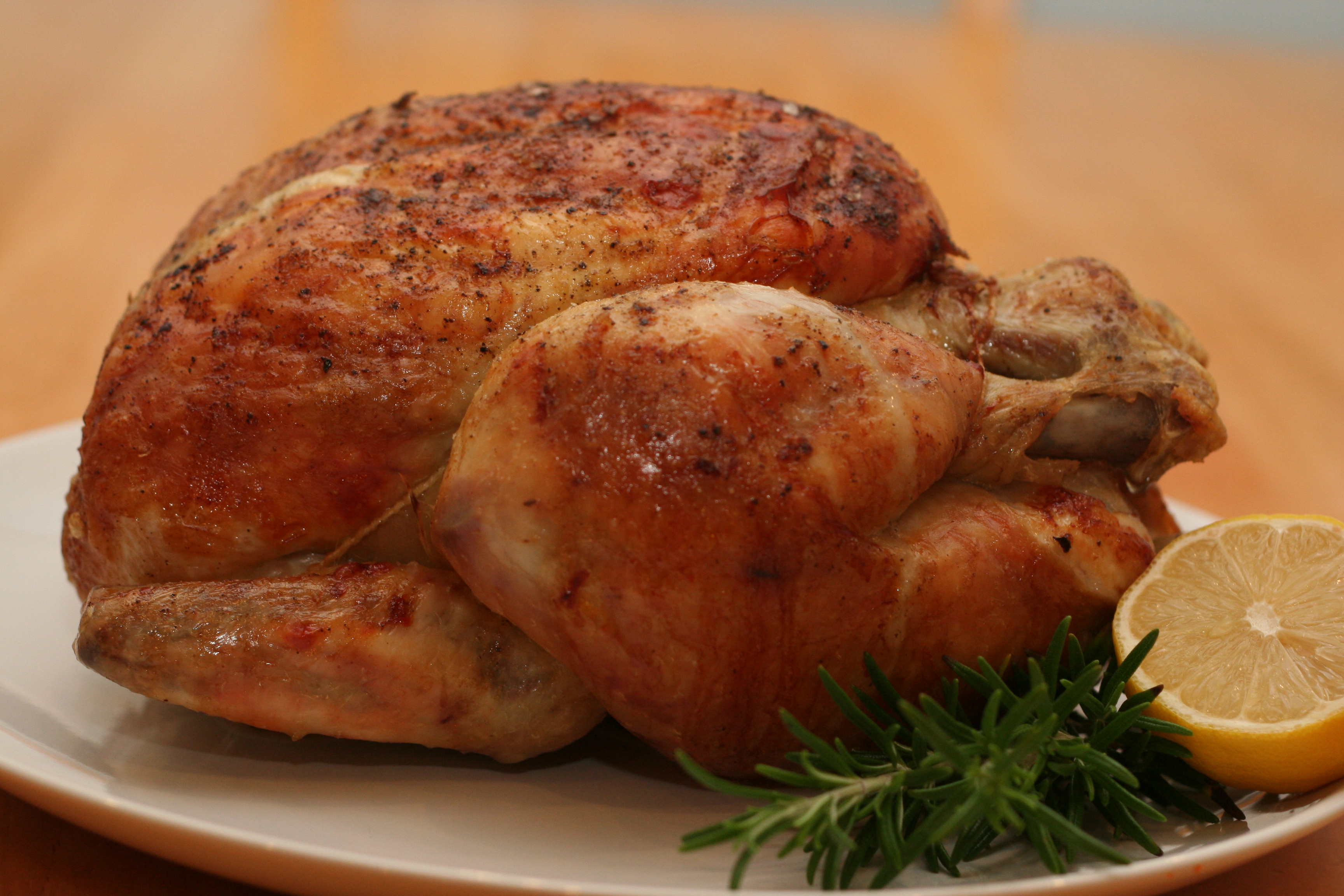
It’s often said that a cookbook is worth its purchase price even if you only make a few recipes out of it. I’ve had the River Café Two Easy book for years but have never really been excited about most of the recipes in it — except this one. This is a roast chicken worth writing home about. You roast it at a very low temperature for three hours, flipping it over once an hour, then jack up the heat for the final 30 minutes to crisp the skin to a picture-perfect golden brown. The chicken is unbelievably moist — roasting it at such a low temperature makes it almost impossible to dry out — and the flavors of the lemon, garlic and rosemary in the cavity really penetrate into the meat. If you know you’ll be home all afternoon, there is no better dinner to make, as you can bask in the amazing aromas that will drift out from your kitchen for hours. Once you make this, I’m willing to bet that, like me, you won’t want to roast a chicken any other way again.

The tang of the crème fraîche in the mashed potatoes is a good match for the lemon and vermouth in the chicken. Depending on what time of year it is, I like to also serve this with simple sauteed carrots or green beans dressed with lemon and olive oil.

Slow Roast Chicken and Vermouth
adapted from River Café Two Easy by Rose Gray and Ruth Rogers

Serves 4

1 x 4.5‑lb (2‑kg) whole chicken
1 lemon
sea salt and freshly ground black pepper
3 garlic cloves
2 sprigs of fresh rosemary
7 fl oz (200 ml) water
4 tablespoons (60 g) unsalted butter, melted
1/2 cup (120 ml) extra-dry vermouth or a dry white wine*

*Feel free to omit the alcohol altogether. It won’t really affect the flavor of the chicken, just the juices.

Preheat the oven to 175°F (80°C) and wipe the chicken clean.

Cut the lemon in half. Rub one half of the lemon all over the chicken, getting as much juice onto the skin as you can.

Season the cavity with salt and pepper. Peel the garlic, wash the rosemary and stuff it into the chicken, along with both lemon halves.

Place the chicken upside down in a roasting tin just large enough to hold it. Add the water. Cook for 1 hour, then turn right side up (I can usually just do this with my bare hands since the roasting temperature is so low). Return it to the oven and cook for another hour, then turn upside down again and cook for yet another hour.

Remove the chicken from the oven and raise the temperature to 400°F (200°C). Brush the melted butter all over the skin, season very well with sea salt and freshly ground black pepper, and add the vermouth to the pan.

Return the chicken to the oven (make sure it finishes right side up) and cook for 30 minutes, until golden brown and the juices run clear. Strain the fat and serve with the lemony, salty juices from the pan.

***

Mashed Potatoes with Crème Fraîche
adapted from Bon Appétit, January 2002

Serves 6

3 1/2 lb (1. 5 kg) russet potatoes, peeled and quartered (or any good mashing/boiling potato variety, such as Yukon Gold, Maris Piper or Kerr Pinks)
2/3 cup (160 ml) crème fraîche or sour cream
4 tablespoons (60 g) butter
salt and freshly ground black pepper

Cook the potatoes in a large pot of boiling salted water until just tender, about 25 minutes. Drain. Return the potatoes to the pot. Add the crème fraîche and butter and mash until smooth. Season with salt and pepper. (Potatoes can be made 2 hours ahead. Let stand at room temperature. Rewarm over a low heat, stirring frequently.)

A Cooking Blog