Category Archives: Cakes

Maple Yogurt Pound Cake with Berries

Was anyone else disappointed by the lackluster weather on the summer solstice? I can usually depend on June 21st (my half-birthday) for some decent weather. But sadly, this year I can count the number of warm, sunny days on one hand. Our CSA box did brighten my week though, full of tender greens, succulent strawberries and even a jug of maple syrup. The maple syrup was especially welcome. It’s hard to believe the amount of maple syrup our family goes through. We love it in yogurt, on oatmeal, and, of course, on waffles and other breakfast treats. I also bake with it whenever possible, preferring it to more processed sweeteners.

Though not every dessert recipe is suitable for maple syrup, this pound cake recipe is an ideal platform. I loved the subtle maple flavor in the batter. I can’t even begin to describe how good it smelled while baking, like pancakes and vanilla and freshly baked bread all at once. Using yogurt and oil instead of pound cake’s traditional butter base results in a lighter cake that stays lusciously moist for days — and won’t destroy your summer “I have to wear a bathing suit in public” diet. The pound cake is perfect for pairing with the season’s berries, sliced or slightly macerated. I also like this pound cake for breakfast, lightly toasted and spread with my friend Alex’s amazing homemade raspberry jam. Jam recipe forthcoming if I can ever talk her into sharing it.

Maple Yogurt Pound Cake with Berries
adapted from food52

Makes 1 loaf

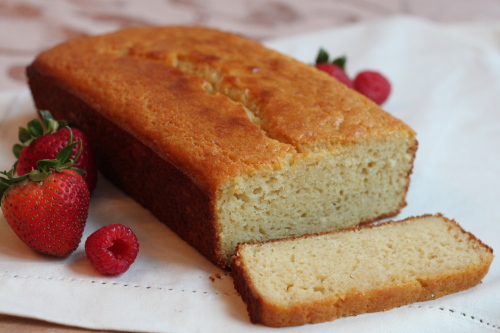
For a healthier and more substantial loaf (pictured above), substitute 1/2 cup of whole wheat flour for 1/2 cup of the all-purpose flour. I prefer white whole-wheat flour or whole-wheat pastry flour for a lighter texture.

1/2 cup (120 ml) Grade B maple syrup
3/4 cup (180 ml) yogurt, preferably not non-fat
1/4 cup (50 g) sugar
3 eggs
1 teaspoon vanilla
1/2 teaspoon lemon zest
1 1/2 cups (180 g) all-purpose flour
2 teaspoons baking powder
1/4 teaspoon salt
1/2 cup (125 ml) oil [Note: I use canola]

Position the rack in the center of the oven and preheat to 350°F (180°C). Generously butter a 8 1/2 × 4 1/2 × 2 1/2‑inch metal loaf pan.

Combine the yogurt, syrup, sugar, eggs, vanilla and lemon zest. Stir or whisk to combine.

In a separate bowl, combine the flour, baking powder and salt. Add the dry ingredients to the wet ingredients and stir to incorporate. Add the oil and fold in gradually until the oil absorbs completely into the batter.

Pour the batter into the prepared loaf pan. Place the pan on a baking sheet in the oven and bake for about 50 minutes, until a tester inserted into the center comes out clean. Cool the cake in its pan on a rack for 5 minutes. Cut around the pan sides to loosen the cake, then turn out onto the rack. Turn the cake upright on the rack and cool completely.

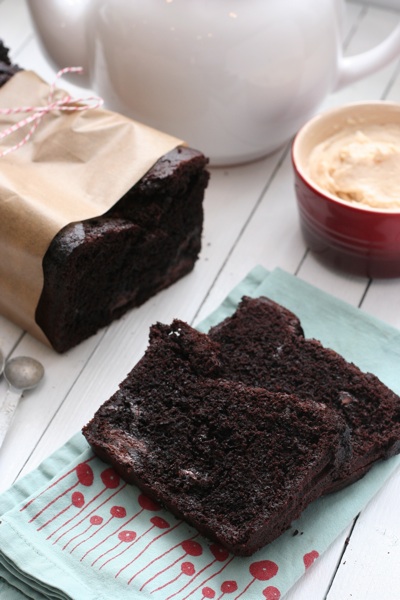
Double Chocolate Loaf with Peanut Butter Cream Cheese Spread

Every time my husband and I play the lotto (which is hardly ever), we convince ourselves we’re going to win it. We usually only buy a ticket when the jackpot is huge after rolling over a few times, but we don’t let the decreased odds stand in the way of our daydreaming. We’ll pay off our student loans! We’ll build an extension on our house! Hell, we’ll knock down the house and just build a bigger and better one! You get the idea.

Well, I might not have won the lotto, but I did get a visit from the Fairy Hobmother after entering the contest over at Eat Like a Girl’s blog. And while I didn’t get a big ticket prize like a new food processor, I did get an Amazon gift certificate, which is always a well-received present for this professional bookworm. I promptly put it to good use on a few cookbooks from my wish list, one of which was Baked Explorations: Classic American Desserts Reinvented. I can’t wait to make Mississippi Mud Pie, New York Style Crumb Cake, Quick Skillet Snack Cake, Burnt Sugar Bundt Cake with Caramel Rum Frosting, Heartland Turtle Bars, Buckeyes … the list goes on and on (and on). But first up was this Double Chocolate Loaf with Peanut Butter Cream Cheese Spread.

Double Chocolate Loaf with Peanut Butter Cream Cheese Spread
adapted from Baked Explorations: Classic American Desserts Reinvented by Matt Lewis and Renato Poliafito

Makes one 9 x 5‑inch loaf

The authors suggest slicing this and eating it plain, or toasting it and spreading with a bit of butter, cream cheese or, of course, this peanut butter cream cheese spread. They also say this loaf is wonderful with coffee and the morning newspaper. Chocolate cake for breakfast? I like their style.

For the loaf:
3/4 cup (120 g) firmly packed dark brown sugar
1 1/2 cups (180 g) flour
1 cup (120 g) dark unsweetened cocoa powder, sifted (I used Green & Blacks)
3/4 cup (150 g) granulated sugar
1 1/2 teaspoons baking soda
3/4 teaspoon baking powder
1 teaspoon salt
2 eggs
1 egg yolk
3/4 cup (180 ml) buttermilk
1/2 cup (125 ml) vegetable oil
1 teaspoon vanilla extract
8 oz (225 g) good-quality dark chocolate, coarsely chopped

For the peanut butter cream cheese spread:
5 oz (140 g) cream cheese, softened
2 tablespoons creamy peanut butter
1/3 cup (75 g) sugar

Preheat the oven to 350°F (180°C) and position the rack in the center of the oven. Butter a 9 x 5‑inch loaf pan, dust it with flour and knock out the excess flour.

Place the brown sugar in the bowl of a standing mixer fitted with the paddle attachment. Press out any lumps with the back of a large spoon. Add the flour, cocoa, granulated sugar, baking soda, baking powder and salt. Scrape down the sides and bottom of the bowl.

In a separate bowl, whisk the eggs and egg yolk until blended, then add the buttermilk, oil and vanilla and whisk until combined.

Turn the mixer to low and slowly pour the wet ingredients into the dry ingredients, mixing until just combined (don’t overmix!). Stir in the dark chocolate chunks by hand.

Pour the batter into the prepared loaf tin and bake for 1 hour to 1 hour 10 minutes, or until a tester inserted in the center of the loaf comes out clean. Let the cake cool in the pan for 15 minutes, then turn it out onto a wire rack to cool completely.

Meanwhile, to make the peanut butter spread, beat the cream cheese and peanut butter together in a bowl with an electric mixer until smooth. Add the sugar and beat until incorporated. If you aren’t using the spread immediately, place it in a ramekin, tightly cover it with cling film and it will keep in the fridge for up to 3 days.

Serve the loaf plain or toasted, topped with the peanut butter spread. The loaf will keep in an airtight container or wrapped tightly at room temperature for up to 3 days.

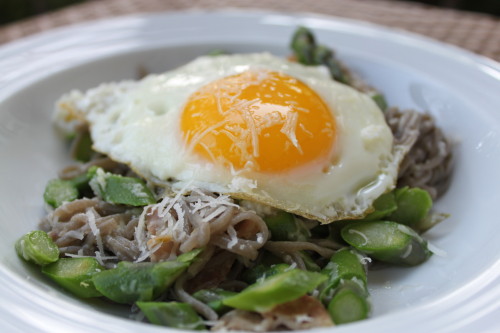
Egg-Topped Soba Noodles with Asparagus and Prosciutto and Double Chocolate Muffins

Things are still crazy, hectic, almost out of control in my household. We’re still managing to eat well though, thanks in part to my husband. We’ve settled into a pattern where I do the meal planning and grocery shopping and he takes care of the cooking while I pick up the kids from daycare. His most recent dinner was absolutely amazing, the type of meal where the only full sentence spoken (even from your kids) involves some variation of “this is delicious.” While the meal is quick and healthy, it does require multiple pans and you really have to be on your toes to make sure nothing is overcooked. Still, if you’re short for time but energized enough to maneuver three pots at once, this one is hard to beat.

Egg-topped Soba with Asparagus and Proscuitto

Egg-Topped Soba Noodles with Asparagus and Prosciutto
adapted from Bon Appétit, February 2010

Serves 6

4 tablespoons extra-virgin olive oil, divided
5 garlic cloves, coarsely chopped
4 oz (110 g) thinly sliced prosciutto, cut crosswise into strips
6 large eggs
10 to 12 oz (280 to 340 g) thin soba noodles
1 lb (450 g) asparagus, ends trimmed, cut on sharp diagonal into 1/8‑inch-thick slices
1 cup (100 g) freshly grated Parmesan cheese

Fill a large pot with water and bring to a boil.

Meanwhile, heat 2 tablespoons extra-virgin olive oil in a large skillet over a medium-high heat. Add the garlic and stir 30 seconds. Add the prosciutto strips and cook until slightly crisp. Remove from the heat and set aside.

Heat 2 teaspoons of oil in a large nonstick skillet (or 2 small nonstick skillets) over a medium heat. Crack the eggs carefully into the skillet. Cook on 1 side until the eggs begin to set, about 2 minutes. Remove from the heat. Cover and set aside.

Cook the soba noodles in the large pot of boiling water for 5 minutes, stirring occasionally. Add the sliced asparagus to the pot. Cook until the noodles are cooked through and the asparagus is just tender, 2 to 3 minutes. Do not overcook! Drain the noodles and asparagus, reserving 1 cup (250 ml) of the cooking liquid.

Add the drained noodles and asparagus to the prosciutto mixture in the skillet. Cook over a medium heat until just heated through, tossing and adding the reserved cooking liquid by 1/4 cupfuls (50 ml) to moisten.

Remove the skillet from the heat. Add the grated Parmesan cheese and remaining 1 tablespoon plus 1 teaspoon olive oil and toss to coat. Divide among 6 plates or shallow bowls. Top each serving with 1 egg and serve immediately, breaking and stirring the egg yolk (which should still be a bit runny) into the noodles.

***

Double Chocolate Muffins

My daughter is “graduating” to a toddler room at her daycare this week. In a fit of panic after forgetting to buy her teachers a good-bye gift, I threw together these muffins with the odds and ends I had in my house. What a discovery! They are moist and chocolaty, and just healthy enough to eat for breakfast. I hope they enjoyed them. I know we did.

Makes 24 muffins

1 1/2 (180 g) cups all-purpose flour
1 cup (120 g) whole wheat flour
1 1/2 cups (300 g) sugar
1/2 cup (60 g) cocoa
1 1/2 teaspoons baking soda
1/2 teaspoon salt
3 eggs
1 cup (250 ml) plain yogurt
1/2 cup (125 ml) water
1/2 cup (125 ml) milk
1/2 cup (125 ml) vegetable oil
1 teaspoon vanilla extract
1/2 cup (80 g) grated dark chocolate
1 cup (200 g) white chocolate chips

Preheat the oven to 325°F (160°C). In a large bowl, whisk together the flours, sugar, cocoa, baking soda and salt.

In a medium bowl, whisk together the eggs, yogurt, water, milk, oil and vanilla. Stir the wet ingredients into the dry ingredients until just moistened. Do not overmix! Fold in the grated chocolate and white chocolate chips.

Fill greased or paper-lined muffin cups about 3/4 full. Bake for about 20 minutes, or until a toothpick comes out clean. Cool the muffins for 5 minutes before removing from the pans to wire racks.

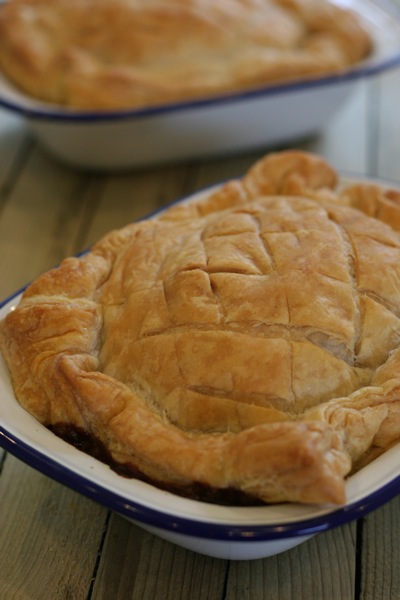
Steak, Guinness and Cheddar Pie and Chocolate Guinness Cake

I have a confession to make — I don’t like Guinness. When I first moved to Ireland, I tried to like it, I really did. At my first publishing job in Temple Bar in Dublin, the five of us who worked there would often go to the pub for lunch together, and the man from Manchester who I worked with would sometimes skip food altogether and only have a pint of plain for his lunch. My husband tells the story of how the doctor even told his Irish grandmother to drink it when she was pregnant, saying it would help keep her iron levels up — Guinness is good for you and all that. My first six months here I kept ordering pints of it in the pub in the hopes that it might be an acquired taste, but I could only ever get halfway through them. I officially gave up when I was out with the same publishing crowd at the Stag’s Head in Dublin and one of my co-workers suggested I order it with a shot of blackcurrant syrup, saying a lot of girls drank it that way. I thought it tasted even worse and could only take one sip before pushing away the glass, and it’s been ales and lagers for me ever since.

While I don’t like to drink it straight up, I do like to cook with it. Beef and Guinness go together like bread and butter, and this steak, Guinness and cheese pie from Jamie Oliver gives my favorite beef and Guinness stew a run for its money. You would probably never think of baking with beer, much less in a chocolate cake, but Nigella Lawson pulls it off. I made it for my father-in-law’s birthday back in January and it’s become one of Kelly’s favorites. So all these years later, I’ve started buying Guinness again — though in a roundabout way for the likes of stews and cakes. Sláinte!

Looking for more Irish recipes for St. Patrick’s Day? Try beef and Guinness stew with champ, Irish soda bread or Guinness gingerbread.

Steak, Guinness and Cheddar Pie
adapted from Jamie at Home by Jamie Oliver

Serves 4

Jamie Oliver’s original recipe calls for lining the bottom of the pie dish with the puff pastry as well, but I simplified it to just cover the top with a puff pastry lid. He also says to add enough water just to cover the beef — I found that I didn’t need to add any at all because the beef was covered enough using only the Guinness, which also meant the pie filling was the perfect consistency and wasn’t too runny. If you don’t have a Dutch oven or an ovenproof casserole with a lid, you can just simmer the beef on the stovetop instead over a low-medium heat.

olive oil
3 medium red onions, chopped
3 cloves of garlic, chopped
2 tablespoons (30 g) butter
2 carrots, peeled and chopped
2 sticks of celery, trimmed and chopped
4 large mushrooms, sliced (optional)
2 lb (1 kg) brisket of beef or stewing beef, cut into 1 inch cubes
a few sprigs of fresh rosemary, leaves picked and chopped (or you could substitute thyme)
salt and freshly ground black pepper
2 cups (500 ml) Guinness
2 heaped tablespoons flour
2 cups (200 g) grated Cheddar cheese
2 sheets of ready-rolled puff pastry
1 large egg, beaten
freshly cooked peas, to serve

Preheat the oven to 375ºF (190°C). In a large ovenproof pot, heat a generous splash  of olive oil on a low heat. Add the onions and fry gently for about 10 minutes with a pinch of salt so that they don’t brown too much. Turn the heat up, add the garlic, butter, carrots and celery and scatter in the mushrooms. Mix everything together before stirring in the beef, rosemary, a pinch of salt and a level teaspoon of pepper.

Fry fast for 3 or 4 minutes, then pour in the Guinness, stir in the flour and add just enough water to cover (I didn’t need to add any water at all, see note above). Bring to a simmer, cover the pot  with a lid and place in the preheated oven for about 1 1/2 hours. Remove the pot from the oven and give the stew a stir. Put it back into the oven and continue to cook it for another hour, or until the meat is very tender and the stew is rich, dark and thick. A perfect pie filling needs to be robust, so if it’s still quite liquid, place the pot on the stovetop and reduce, uncovered, until the sauce thickens. Remove from the heat and stir in half the cheese, then season carefully and leave to cool slightly. Tip the stew into a pie dish or individual dishes and even it out before sprinkling over the remaining cheese.

Cut the ready-rolled sheet of pastry to fit the top of the pie dish (or individual dishes), rolling it out a little on a lightly floured countertop with a rolling pin if you need to in order for it to cover your dish. Criss-cross the pastry lightly with a sharp knife. Place it over the top of the pie and tuck it down around the stew. Brush the top with beaten egg, then bake the pie in the oven for 45 minutes, or until the pastry is cooked, puffed and golden. Delicious served simply with peas on the side.

***

Chocolate Guinness Cake
adapted from Feast by Nigella Lawson

Serves 12

Nigella Lawson likes to ice the top of the cake so that it resembles the famously frothy head that sits on top of a pint of stout, but she says it also tastes perfectly good if you leave it uniced and plain.

for the cake:
1 cup (250 ml) Guinness
9 oz (250 g) unsalted butter, cubed or sliced
3/4 cup (75 g) unsweetened cocoa
2 cups (400 g) sugar
3/4 cup (or 1 x 142 ml pot) sour cream
2 eggs
1 tablespoon vanilla extract
2 1/4 cups (275 g) flour
2 1/2 teaspoons baking soda

for the topping:
11 oz (300 g) Philadelphia cream cheese
1 1/4 cups (150 g) confectioners’ sugar (icing sugar)
1/2 cup (125 ml) heavy cream (double or whipping cream)

Preheat the oven to 350°F (180°C) and butter and line a 9 inch (23 cm) springform tin.

Pour the Guinness into a large pot. Add the butter cubes or slices and heat until the butter melts, then whisk in the cocoa and sugar. In a separate bowl, beat the sour cream with the eggs and vanilla, then pour into the beer and butter mixture. Lastly, whisk in the flour and baking soda. Pour the cake batter into the greased and lined tin and bake for 45 minutes to 1 hour. Leave to cool completely in the tin on a cooling rack, as it’s quite a damp cake.

When the cake is completely cold, sit it on a flat platter or cake stand to ice it. Lightly whip the cream cheese until smooth, sieve over the confectioners’ (icing) sugar and then beat them both together. (Alternatively, you can do this in a food processor, putting the unsieved icing sugar in first, and blitz to remove lumps before adding the cheese.) Add the cream and beat again until it’s a spreadable consistency. Ice the top of the black cake so that it resembles the frothy top of the famous pint.

Fish with Edamame Pesto and Cookies-and-Cream Ice Cream Cake

In what I suspect will become a birthday tradition, Sam once again asked for “chocolate cake with whipped cream” for his birthday party this year. Although my holiday schedule wasn’t quite as hectic as Kristin’s, between December 1st, 2010 and January 1st, 2011, I had already celebrated eight days of Chanukah, my husband’s birthday, my birthday, Christmas, and New Year’s.  Exhausted from the festivities, I was tempted to remake last year’s icebox cake and spare myself the time it would take to find a new recipe to fit Sam’s party criteria. But I just couldn’t brush off the request that easily. It’s not Sam’s fault he was born the first week in January and that his birthday, like mine, tends to be sucked up and forgotten amidst the winter holiday hustle and bustle. I luckily found another great make-ahead cake covered in whipped cream, chocolate, and–as an added  bonus–sprinkles.  Despite its less than perfect appearance (to be blamed on a final layer of too warm hot fudge sauce), this cake was a real crowd-pleaser.

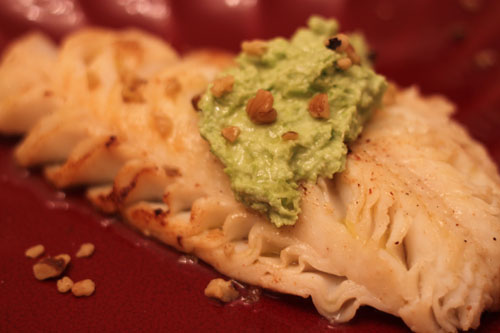
The birthday dinner itself was a lighter affair. Sam is a huge fan of Japanese food, especially edamame, so this edamame-based pesto caught my eye while I browsed cookbooks for a cake recipe. The pesto tasted amazing dolloped on a piece of sauteed cod, and nearly as good spread on a cracker later that night as a bedtime snack. I rounded out dinner with simple steamed veggies and cooked quinoa.

Fish with Edamame Pesto
adapted from Mark Bittman’s Kitchen Express: 404 inspired seasonal dishes you can make in 20 minutes or less

serves 3

1 bag frozen edamame (in pods)
olive oil
1 clove garlic, grated
juice of half a lemon
handful of grated Parmesan cheese
salt and pepper, to taste
1 lb (450 g) cod or other fish fillet(s)
2 tablespoons butter or olive oil
chopped walnuts, for garnish

Blanch the frozen edamame in boiling salted water for 3–5 minutes until tender. Drain and rinse the edamame under cold water. Shell the soybeans and place them in a blender or food processor with a few tablespoons of olive oil (or more, as needed) to get a nice puree. Add the garlic, lemon juice, and Parmesan and blend until smooth. Season the puree to taste with salt and pepper.

Season the fish fillet with salt and pepper. Cook the fillet(s) in the butter or olive oil over medium heat about 4 minutes per side or until golden and cooked through. Serve the fish with a spoonful of the pesto and garnish with chopped walnuts.

***

Cookies-and-Cream Ice Cream Cake
adapted from Bon Appetit, June 2000

serves 12

1 x 16-oz (45o‑g) pound cake, thawed if frozen
1/2 gallon (about 1 kg) cookies-and-cream ice cream, slightly softened

12 oz (340 g) hot fudge sauce (purchased or homemade)
6 oz (170 g) semisweet chocolate chips
1/4 (60 ml) cup water
10 Oreo cookies, coarsely chopped

1 cup (240 ml) chilled whipping cream
2 tablespoons sugar
candy sprinkles

Cut the cake into 1/3‑inch-thick slices. Halve each slice diagonally, forming triangles. Cover the bottom of a 9‑inch-diameter springform pan with the cake by arranging some triangles, points facing in, around the edge of pan. Fill in the center with more triangles; then cut additional pieces to fill in any spaces. Spread half of the ice cream over the cake. Freeze until firm, about 1 hour.

Stir the fudge sauce, chocolate chips and 1/4 cup water in a heavy medium saucepan over medium-low heat until melted and smooth. Cool to just barely lukewarm. Spread half of the fudge sauce over the ice cream. Sprinkle with the cookies. Top with enough remaining cake slices to cover. Spread the remaining ice cream over. Freeze 1 hour.

Stir the remaining fudge sauce over medium-low heat until barely lukewarm. Pour the sauce over the ice cream, spreading to the edge. Freeze at least 6 hours or overnight.

To serve, let cake sit in fridge about 15 minutes to slightly thaw. While the cake thaws, beat the cream and sugar in a medium bowl to stiff peaks. Run a knife around the pan sides to loosen the cake. Release the pan sides. Spread the whipped cream around the side of the cake and, if desired, pipe a border of whipped cream around the top edge of the cake. Scatter sprinkles or other small candies atop the cake.

Grilled Chicken with Gremolata, Slow Cooker Baked Potatoes, and Key Lime Coconut Cake

Sometimes I’ll try a new recipe and find myself shocked that it isn’t already part of my regular recipe rotation. You know the ones — quick, easy, cheap. This is one of those recipes. In the time it takes to preheat your grill, you can make a fabulously fresh-tasting paste of fresh herbs, lemon, and garlic to top the chicken. Serve the chicken with already cooked slow cooker baked potatoes (another I‑can’t-believe-how-easy-this-is preparation) and fresh steamed vegetables for a light but memorable dinner. If you have an extra half hour, you can whip up the equally quick, equally fabulous coconut cake. I knew it was a successful dessert when I noticed my usually sugar-avoiding mother-in-law sneaking slivers of it before dinner the following night.

Grilled Chicken with Gremolata
adapted from Giada’s Family Dinners by Giada De Laurentiis

Serves 4

1/4 cup (10 g) finely chopped fresh flat-leaf parsley
2 tablespoons extra virgin olive oil
1 1/2 tablespoons lemon zest
1 teaspoon finely chopped fresh oregano
1 teaspoon finely chopped fresh thyme
1 teaspoon finely chopped garlic
1 tablespoon olive oil
2 lb (900 g) skin-on, cut-up chicken (breasts, thighs, and/or legs)
salt and freshly ground black pepper

In a small bowl, combine the parsley, extra virgin olive oil, lemon zest, oregano, thyme, and garlic. Set the gremolata aside.

Preheat a charcoal or gas grill for medium heat. Rub the olive oil over both sides of the chicken. Season the chicken to taste with salt and pepper. Grill the chicken over medium heat until it’s just cooked through (10 to 15 minutes for breasts, 15 to 20 minutes for legs/thighs). Transfer the chicken to a platter. Immediately spoon the gremolata over the chicken and serve.

***

Slow Cooker Baked Potatoes

baking potatoes (as many as your slow cooker can hold)
aluminum foil

Wash the potatoes and prick them with a fork in a few places. Wrap each potato with aluminum foil. Place the wrapped potatoes in your slow cooker. Cover the slow cooker and cook the potatoes on low for 8 to 10 hours.

I gussied these up in the picture above by dicing the cooked potatoes, leaving the skins on, then topping them with melted butter, salt, pepper, and freshly chopped chives.

***

Key Lime Coconut Cake
adapted from Gourmet, March 2008

Serves 8

1 cup (90 g) sweetened flaked coconut
1/2 cup (110 g) unsalted butter, softened
1 1/4 cups (250 g) granulated sugar
1 tablespoon grated Key lime zest
2 extra-large eggs
1 3/4 cups (210 g) self-rising flour
3/4 cup (180 ml) whole milk
1/4 cup (60 ml) plus 1 tablespoon fresh Key lime juice, divided
1 1/4 cup (150 g) confectioner’s (icing) sugar
1 tablespoon rum (optional)

Preheat the oven to 350°F (180°C) with the rack in the middle. Generously butter a springform cake pan and line the bottom with a round of parchment paper.

Toast the coconut in a small baking pan in the oven, stirring once or twice, for 8 to 12 minutes, until it’s golden. Cool. Leave the oven on.

Beat together the butter, granulated sugar, and zest with an electric mixer until fluffy. Beat in the eggs 1 at a time. Stir together the flour and 1/2 cup coconut (reserve the remainder for the topping). Stir together the milk and 2 tablespoons lime juice. At low speed, mix the flour and milk mixtures into the egg mixture alternately in batches, beginning and ending with flour.

Spoon the batter into the prepared pan and smooth the top. Bake for 35 to 40 minutes, until golden and a wooden pick inserted into the center comes out clean. Cool the cake to warm, then turn out of the pan and remove the parchment paper.

Whisk together the confectioners sugar, the remaining 3 tablespoons lime juice, and rum (if using) and pour over the cake. Sprinkle with the remaining coconut.

Lemon and Pea Risotto with Parmesan Roasted Asparagus and Lemon Buttermilk Rhubarb Bundt Cake

To say my two-year-old son is a light eater is a bit of an understatement — he’s been known to go an entire weekend eating little more than a banana — but the night I made this risotto, he sat at the dinner table and practically chanted “more, more, more” in between mouthfuls and had a second helping.

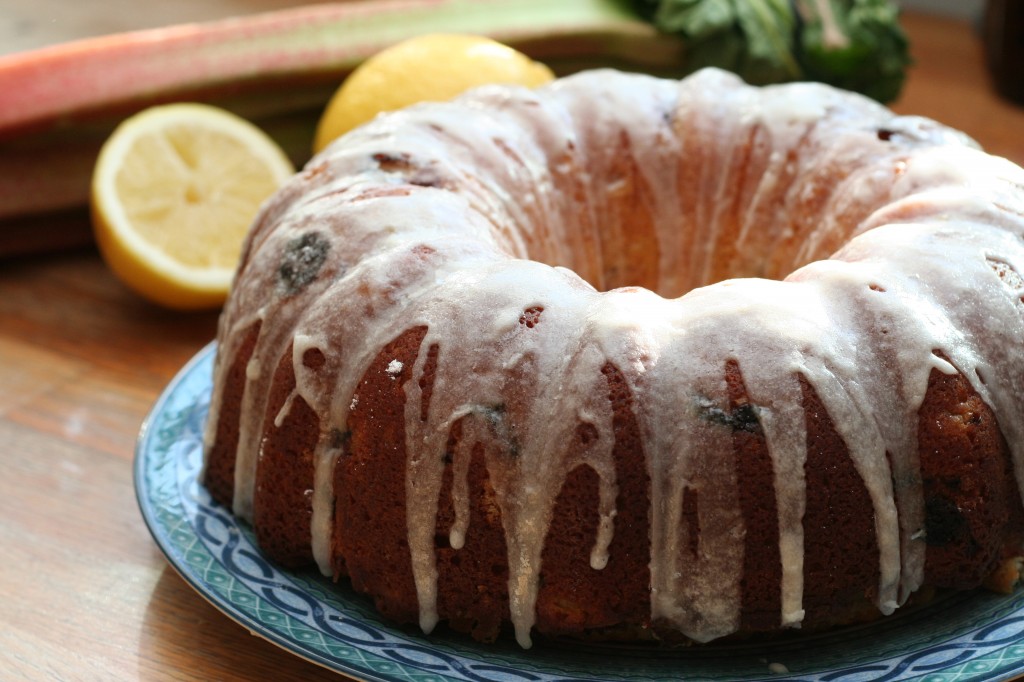
As for the cake, I’d be hard pressed to think of a more perfect spring dessert than this. Light and lemony, it was still moist after three days — which is more than I can say for the overpriced “gourmet” cupcakes I bought in Dublin last week, which were so dry my children took only one bite and left the rest on the plate. My little boy might be a light eater, but he’s certainly a discerning one.
Lemon and Pea Risotto with Parmesan Roasted Asparagus
adapted from Nigella Bites by Nigella Lawson and Barefoot Contessa Family Style by Ina Garten

Serves 4

I love this lemon risotto on its own or as a springboard for adding in any number of other ingredients. Seafood is an obvious choice, and something like this roast fish wrapped in pancetta would be fantastic served alongside the risotto. I also like to serve it with grilled lemon chicken, or even leftovers from a slow roast chicken with vermouth.

These are the same flavors as in the gnocchi with peas, pancetta and lemon ricotta, so this is like a variation on that theme. If you wanted to make a little extra effort with the asparagus and aren’t concerned about the meal being vegetarian, you could omit the final sprinkle of Parmesan and wrap each stalk in a bit of Parma ham instead at the start, or perhaps simply crumble some cooked bacon or pancetta over the top of the dish for some extra flavor.

for the lemon and pea risotto:
4 tablespoons (60 g) unsalted butter
2 shallots or 1 small onion, finely chopped
1 rib celery, finely chopped
1 1/2 cups (300 g) risotto rice
1 cup (240 ml) white wine or extra-dry vermouth
approximately 1 quart (1 liter) vegetable stock
1 cup (140 g) fresh or frozen peas
zest and juice of 1/2 lemon
4 tablespoons grated Parmesan, plus extra for garnish
salt and freshly ground black pepper

for the Parmesan roasted asparagus:
1 bunch fresh asparagus
1 tablespoon good olive oil
salt and freshly ground black pepper
1/2 cup (50 g) freshly grated Parmesan

Preheat the oven to 400°F (200°C).

Heat the butter, shallots and celery in a wide, deep saucepan and cook to soften, about 5 minutes. Mix in the rice, stirring to give it a good coating of the butter. Allow it to cook for 1 or 2 minutes, until the grains of rice start to turn translucent. Add the white wine or vermouth and let it bubble away for a few minutes. Meanwhile, heat the stock in another saucepan and keep it at simmering point.

Once all the wine or vermouth has been absorbed into the rice, pour a ladleful of the stock into the rice and keep stirring until the stock is absorbed. Then add another ladleful and stir again. Continue doing this until the rice is al dente. You may not need all the stock; equally, you may need to add a bit more hot water. Don’t rush this process — allow the rice to fully absorb each ladleful of stock before adding the next one.

Meanwhile, once you’ve got the risotto going, snap off the woody ends of each asparagus stalk and discard. Lay the asparagus stalks in a single layer on a sheet pan and drizzle with olive oil, then sprinkle with salt and pepper. Roast for 15 to 20 minutes, until tender. Sprinkle with the Parmesan and return to the oven for 1 minute more, until the cheese has melted. Set aside and keep warm while you finish the risotto.

When you’ve added almost all the stock, test the rice — the risotto is ready when the rice is tender but still has a little bite. When the risotto is done, mix in the peas, lemon zest and juice and the grated Parmesan. Cook for a few more minutes, until the peas have thawed and are warmed through. Divide between 4 serving bowls or plates and top with the roasted asparagus stalks. Serve with more grated Parmesan if you wish, add seasoning to taste and serve immediately.

***

Lemon Buttermilk Rhubarb Bundt Cake
adapted from Rustic Fruit Desserts by Cory Schreiber and Julie Richardson

Serves 10 to 12

Ina Garten recommends having all your baking ingredients at room temperature, so I’ve modified the recipe slightly to add that instruction here. You really do need to have the butter softened, but if you forget to take the buttermilk and eggs out of the fridge beforehand, don’t worry about it.

for the cake: 
2 1/2 cups (300 g) plus 2 tablespoons all-purpose flour, divided
2 teaspoons baking powder
1 teaspoon salt
1 cup (225 g) unsalted butter, at room temperature
1 3/4 cups (350 g) sugar
zest of 1 lemon
3 eggs, at room temperature
1/2 teaspoon lemon extract (optional)
3/4 cup (180 ml) buttermilk, at room temperature
1 lb (450 g) rhubarb, trimmed and sliced very thin

for the lemon glaze: 
2 cups (240 g) sifted confectioners’ sugar (icing sugar), plus more if needed
juice of 1 lemon
1 tablespoon (15 g) unsalted butter, at room temperature

Preheat the oven to 350°F (180°C) and grease a 10-cup Bundt pan.

To make the cake, sift together the 2 1/2 cups (300 g) flour, baking powder and salt. Set aside. In a mixing bowl and using a hand-held mixer or a stand mixer with the paddle attachment, cream together the butter, sugar and lemon zest at medium-high speed for 3 to 5 minutes, until light and fluffy. Add the eggs one at a time, scraping down the bowl after each addition. Stir in the lemon extract, if using. Stir in the flour mixture in 3 additions, alternating with the buttermilk in 2 additions, beginning and ending with the flour mixture and scraping down the bowl occasionally. The batter will be very thick.

Toss the rhubarb with the 2 tablespoons of flour. Fold half the rhubarb into the batter and pour batter into the prepared pan. Sprinkle the remaining rhubarb on top.

Bake for 30 minutes, then rotate the pan and bake for an additional 30 minutes, or until the top of cake is firm and the center springs back when lightly touched. Cool the cake in its pan on a wire rack for 30 minutes before inverting and removing from the pan.

Meanwhile, to make the lemon glaze, whisk together the confectioners’ sugar, lemon juice and butter. The mixture should be thick. If it isn’t, add an additional 1 or 2 tablespoons confectioners’ sugar. Drizzle the glaze over the cake as soon as you remove the cake from the pan.

Covered with a cake cover or plastic wrap, the cake will keep at room temperature for 3 to 4 days.

Mark Bittman’s Basic Meatloaf with Roasted Parnsips and Raspberry Buttermilk Cake

Meatloaf reminds me of falling in love with my husband. Romantic, isn’t it? I can clearly remember the moment I sheepishly admitted to him that I love meatloaf, and could we please have it for dinner. The aged paperback cookbook containing 101 recipes for ground beef that sat on Reuben’s shelf for as long as I can remember also brings back good, and hilarious, memories of our early cooking days together. I think half of those 101 recipes were meatloaf recipes. I remember paying special attention to these recipes, thinking they would make an ideal meal for us impoverished college students — except for the odd and numerous ingredients listed in most of the recipes. Do people still put anchovies, olives, Cheese Whiz or tomato soup in their meatloaf? Eventually, Reuben and I gave up on meatloaf recipes and developed our own odd list of ingredients to make a decent one. This week, in a fit of open-mindedness, and perhaps in subconscious recognition of our 14-year dating anniversary, I decided to try out another meatloaf recipe. And as with every other recipe in Mark Bittman’s How To Cook Everything, I was thrilled with the results.

Basic Meatloaf

adapted from How To Cook Everything: Simple Recipes for Great Food by Mark Bittman

Serves 6 to 8

fresh breadcrumbs made from 1 or 2 slices of good-quality white bread
2 lb (900 g) ground beef (you can also use veal, lamb, and/or pork combined with beef)
1 egg, lightly beaten
1 clove garlic, minced
1 small onion, minced
1 small carrot, peeled and minced
1/2 cup (50 g) freshly grated Parmesan cheese
1/4 cup (10 g) minced fresh parsley
1/2 teaspoon minced fresh thyme
salt and freshly ground black pepper

Preheat the oven to 350°F (180°C).

Mix together all of the ingredients. Shape the meat into a loaf in a baking pan (free-form meatloaf baked in a larger baking pan will be less greasy than meatloaf baked in a loaf pan). Bake for 50 to 60 minutes, basting occasionally with the rendered pan juices. When done, the meatloaf will be lightly browned and firm, and an instant-read thermometer inserted into the center of the loaf will read 160°F (70°C).

***

Roasted Parsnips

Serves 4 to 6

1 1/2 lb (680 g) parsnips, peeled
4 tablespoons olive oil
1 clove garlic, minced
3 sprigs fresh thyme
salt and freshly ground black pepper

Preheat the oven to 375°F (190°C).

Cut the parsnips into 2‑inch-long pieces, halving or quartering large parts of the parsnips so that each piece is about 1/2 inch thick. Toss the parsnips with the olive oil, garlic, thyme, salt and pepper. Spread the parsnips onto a large baking sheet in a single layer. Roast for about 45 minutes, until the parsnips are tender, turning once or twice to prevent scorching. Remove the thyme sprigs before serving.

Raspberry Buttermilk Cake
adapted from Smitten Kitchen

Makes 1 x 9‑inch cake

1 cup (120 grams) all-purpose flour
1/2 teaspoon baking powder
1/2 teaspoon baking soda
1/4 teaspoon salt
1/2 stick (60 g) unsalted butter, softened
2/3 cup (150 g) plus 1 1/2 tablespoons sugar, divided
1/2 teaspoon pure vanilla extract
1/2 teaspoon finely grated lemon zest (optional)
1 large egg
1/2 cup (120 ml) well-shaken buttermilk
1 cup raspberries (about 5 oz/140 g)

Preheat the oven to 400°F (200°C) with a rack in the middle. Butter and flour a 9‑inch round cake pan.

Sift or whisk together the flour, baking powder, baking soda, and salt and set aside. In a larger bowl, beat the butter and 2/3 cup (150 g) sugar with an electric mixer at medium-high speed until pale and fluffy, about 2 minutes, then beat in the vanilla and zest, if using. Add the egg and beat well.

At low speed, mix in the flour mixture in 3 batches, alternating with the buttermilk, beginning and ending with flour. Mix until just combined. Spoon the batter into the prepared cake pan, smoothing the top. Scatter raspberries evenly over the top and sprinkle with the remaining 1 1/2 tablespoons sugar.

Bake for 20 to 25 minutes, until the cake is golden brown and a tester inserted into center comes out clean. Cool in the pan for 10 minutes, then turn out onto a rack and cool until it’s just warm, 10 to 15 minutes more. Invert onto a plate.